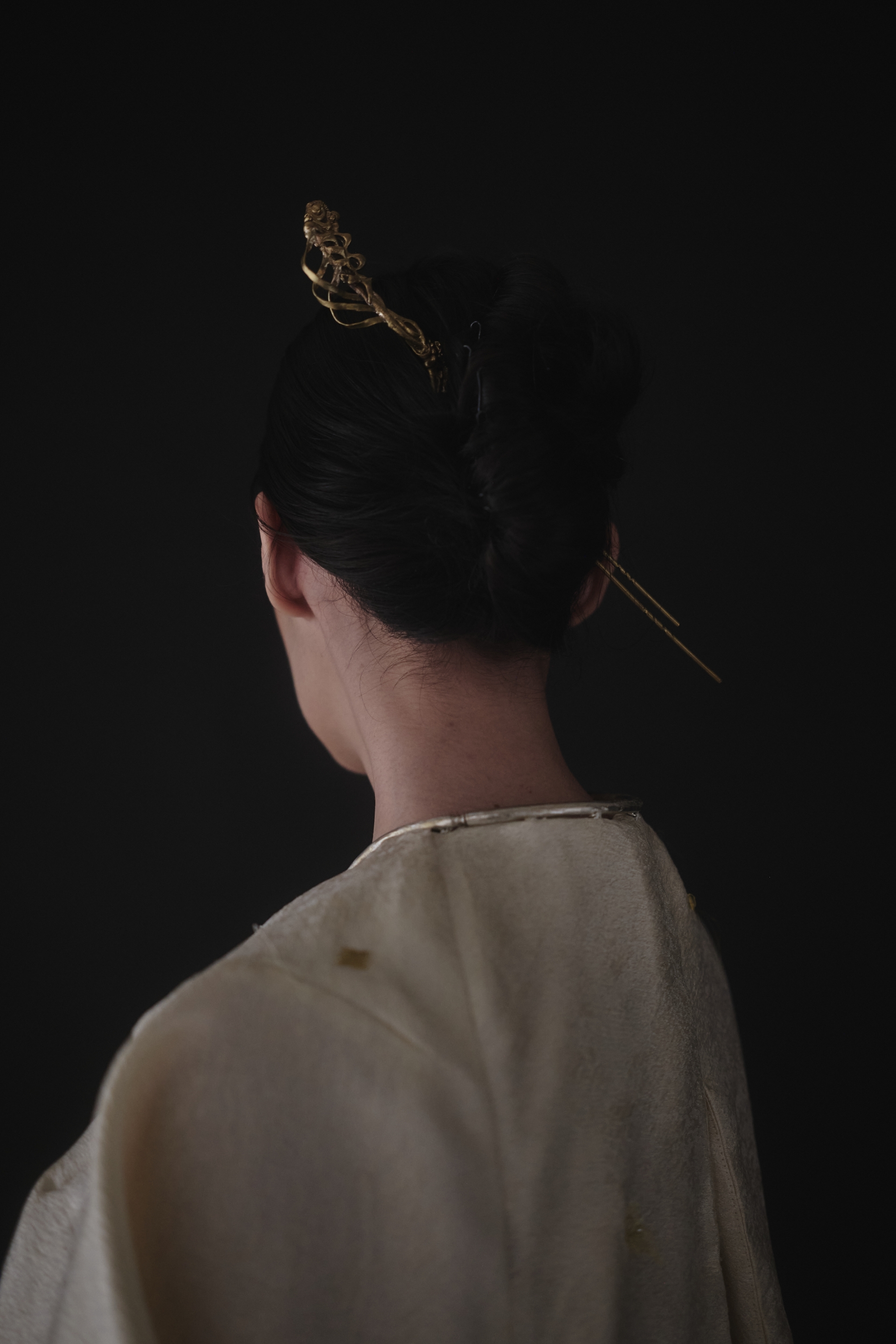
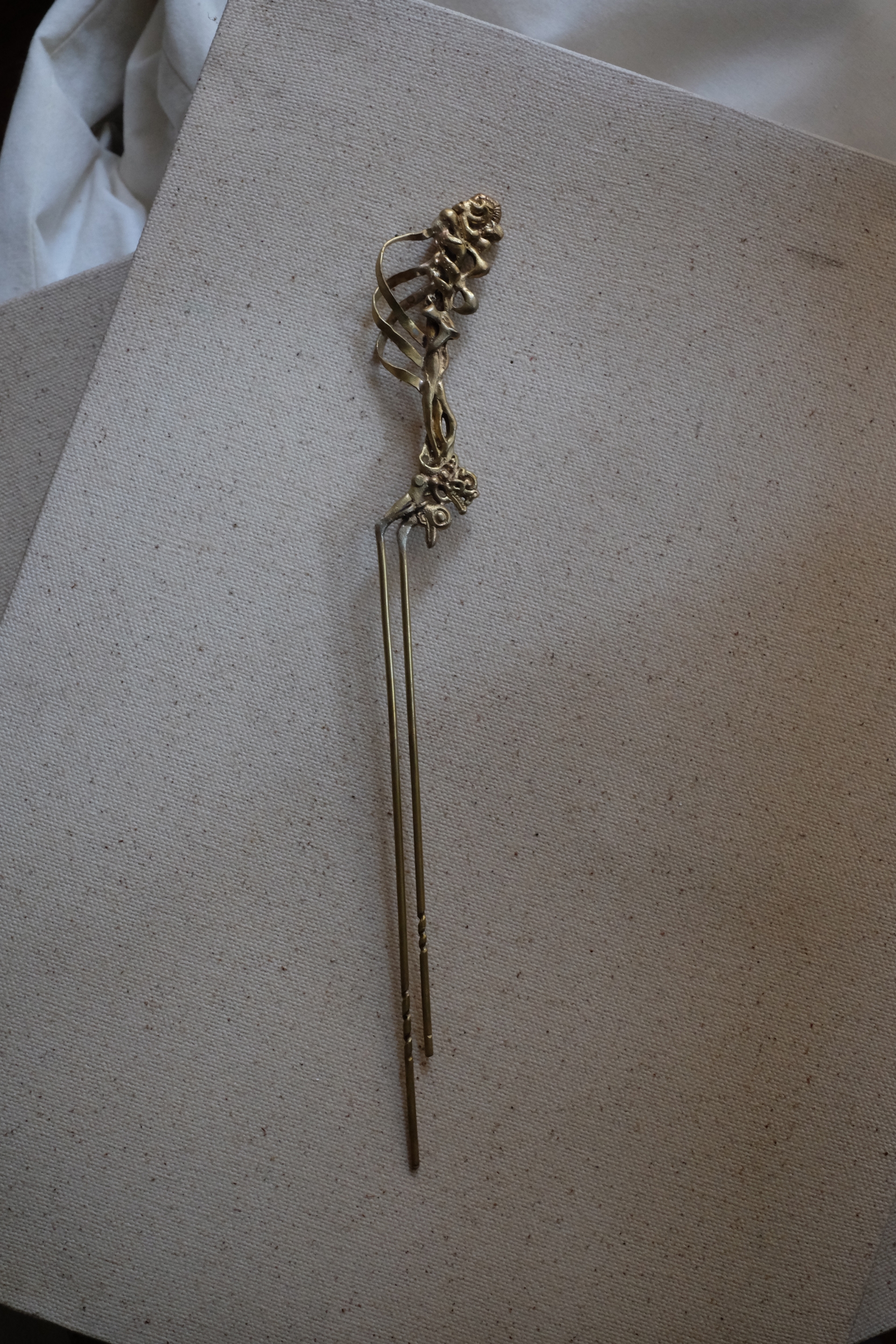
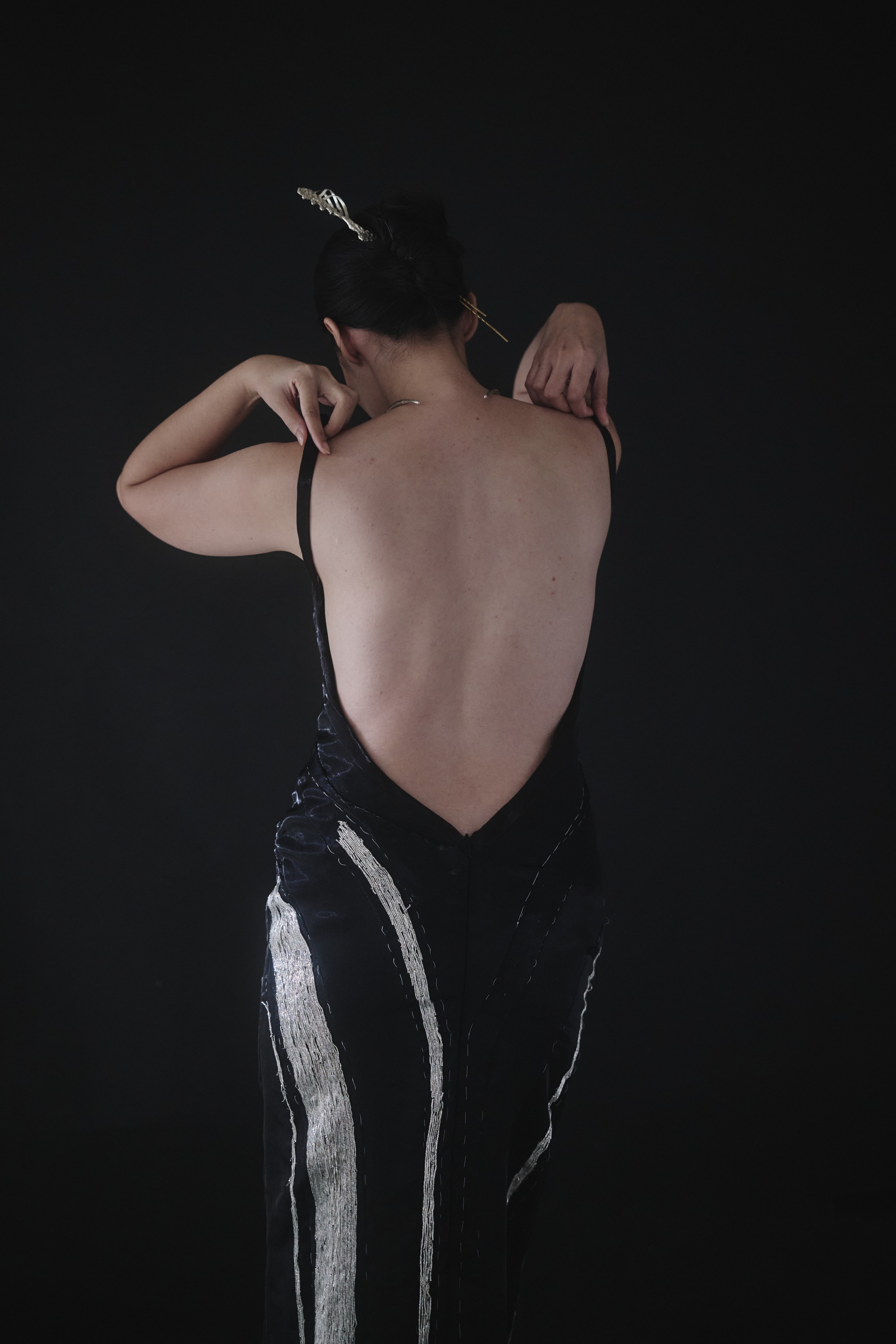
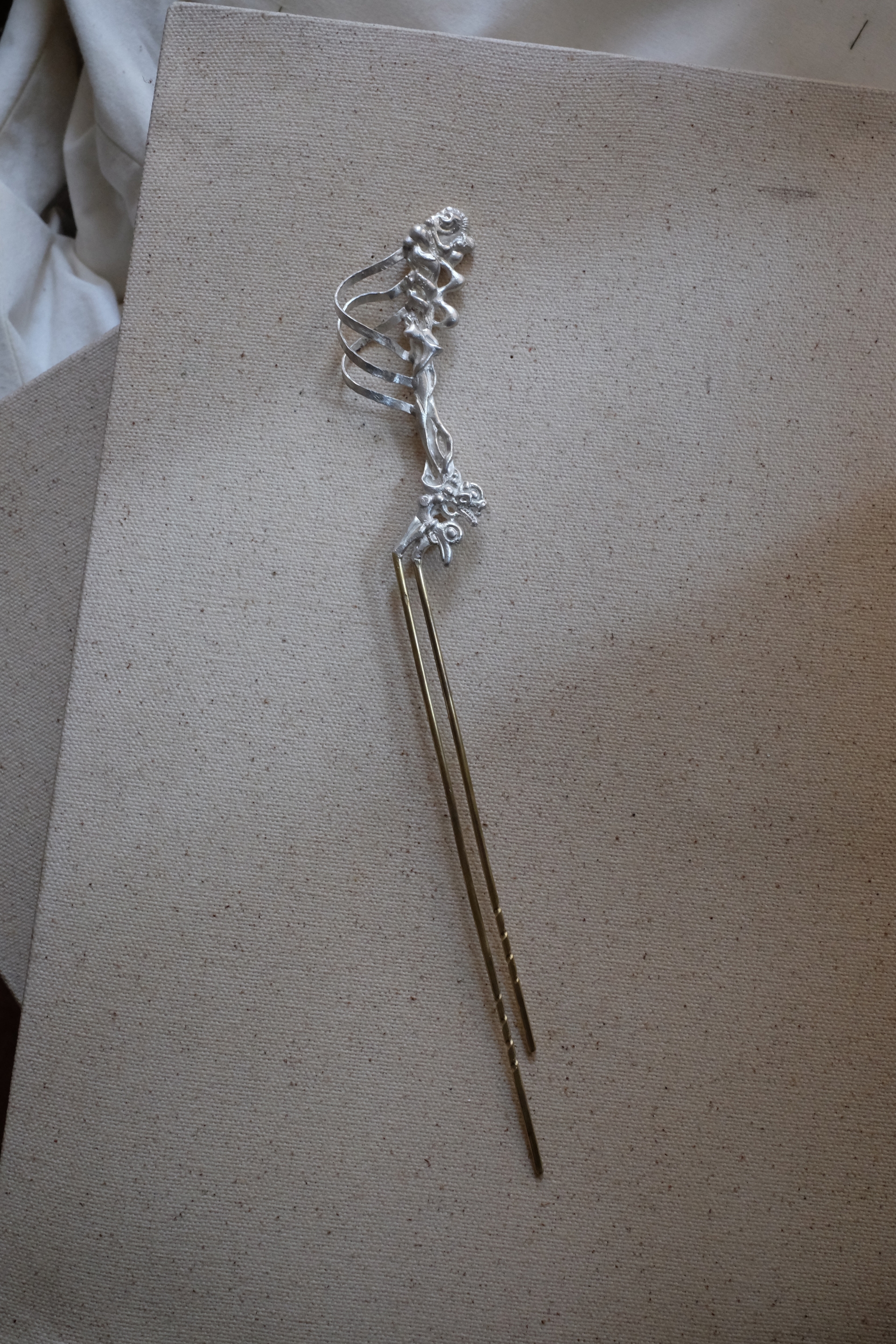
Inang
Life and death, birth and decay—a duality that has both fascinated and horrified humankind. How do we come into being and where do we go long after? It is as if we live to ask these questions, making sense of our own existence. Different cultures found different reasons; and for our predecessors, the Austronesians, such answer lies in the poetic power of place.
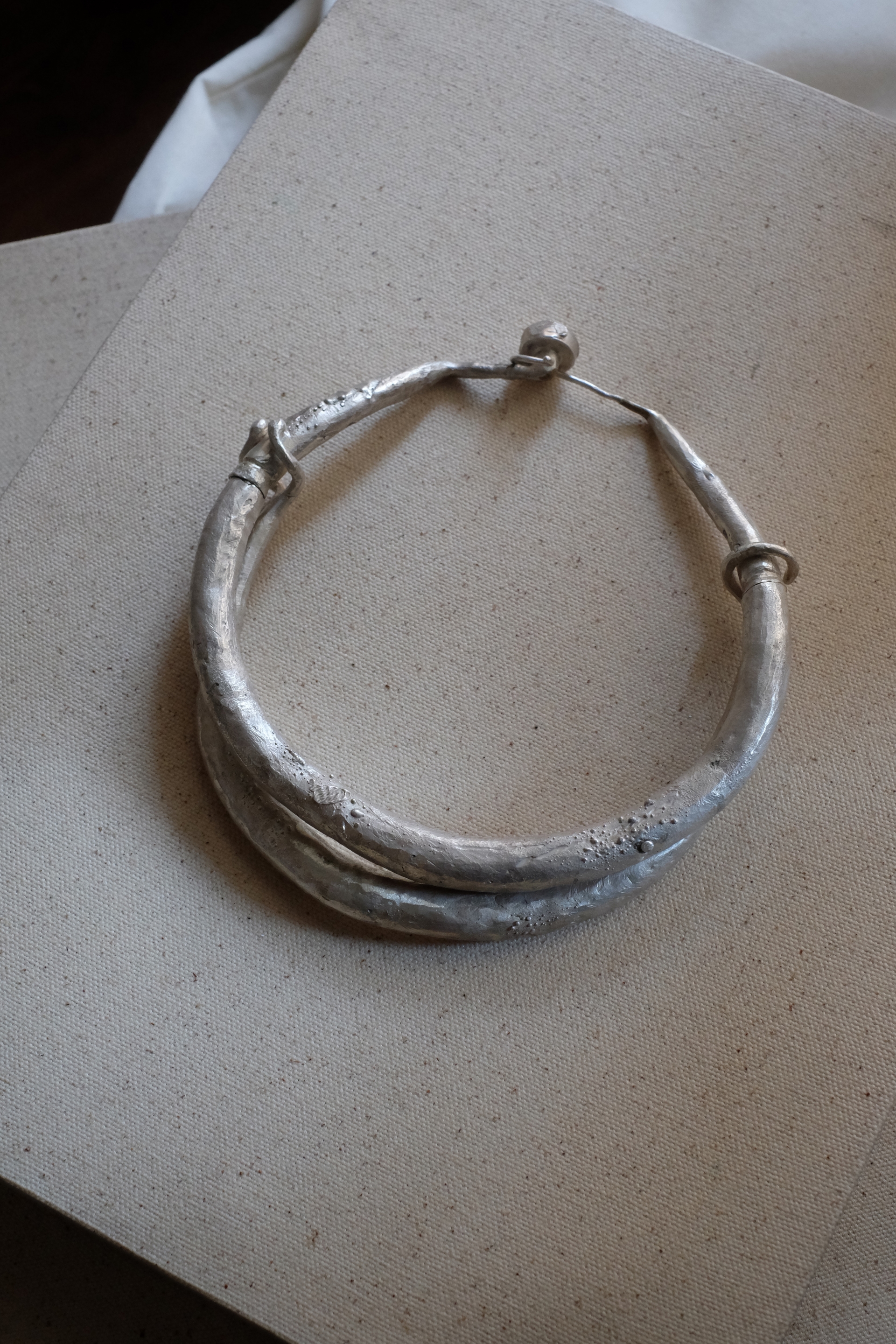
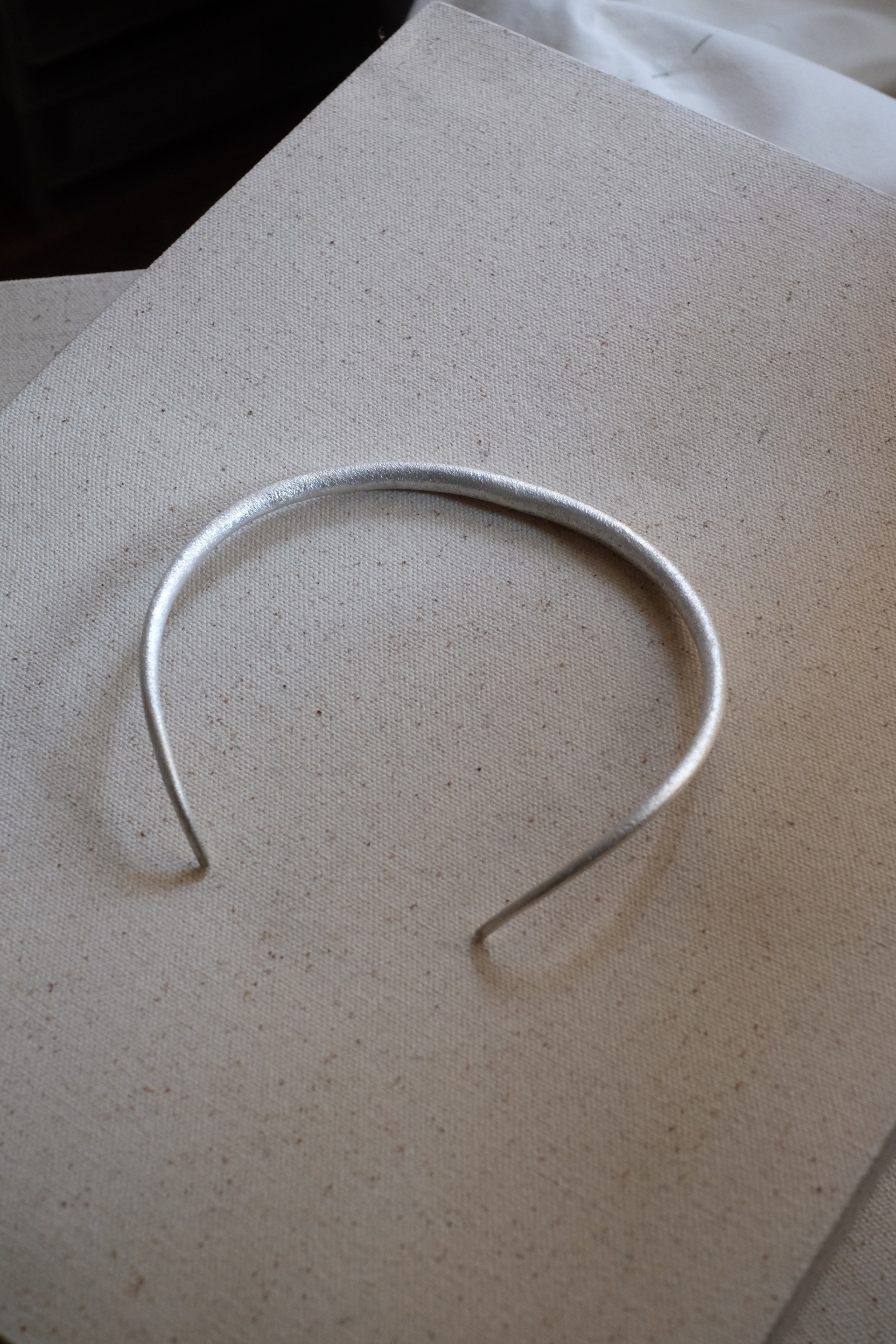
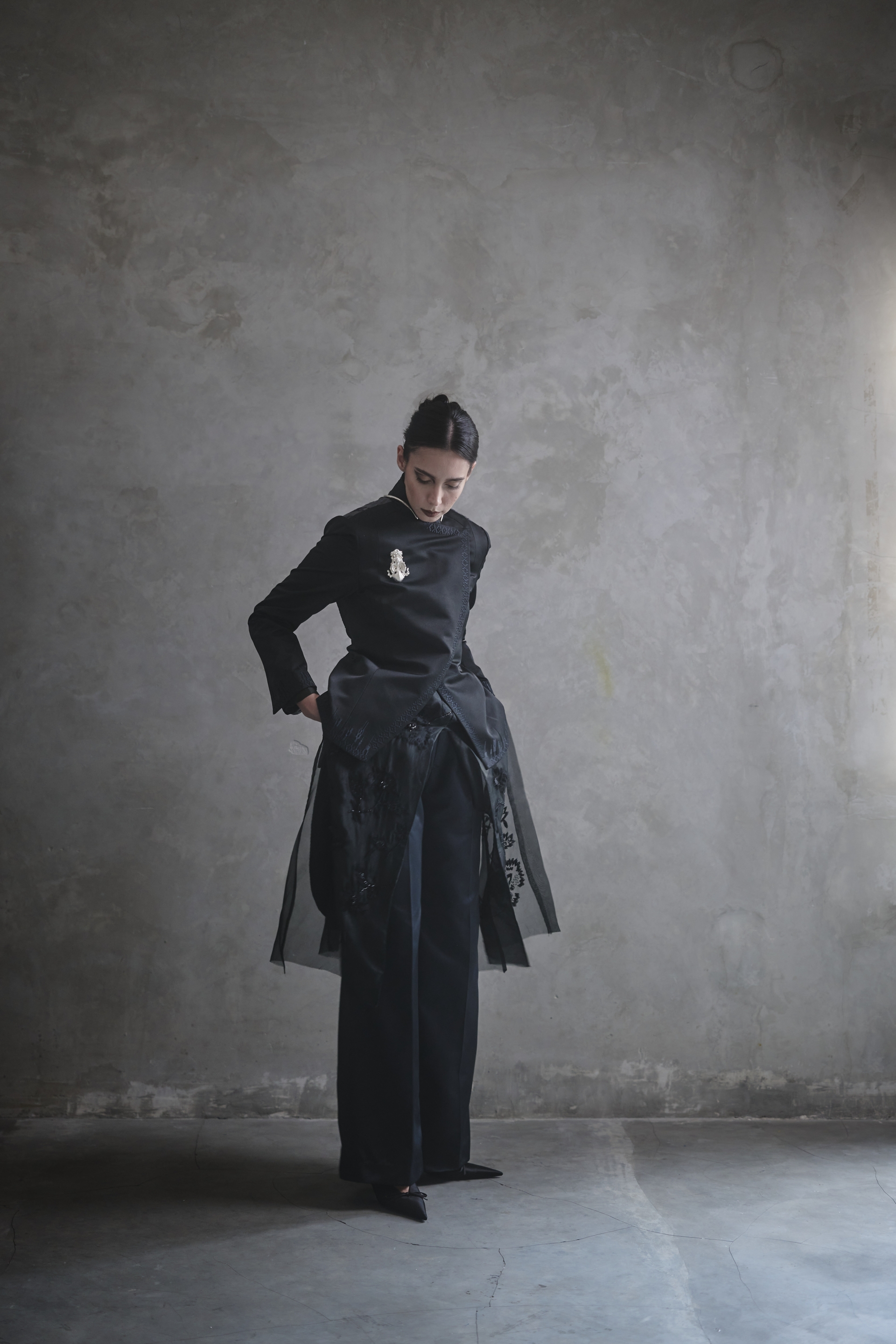
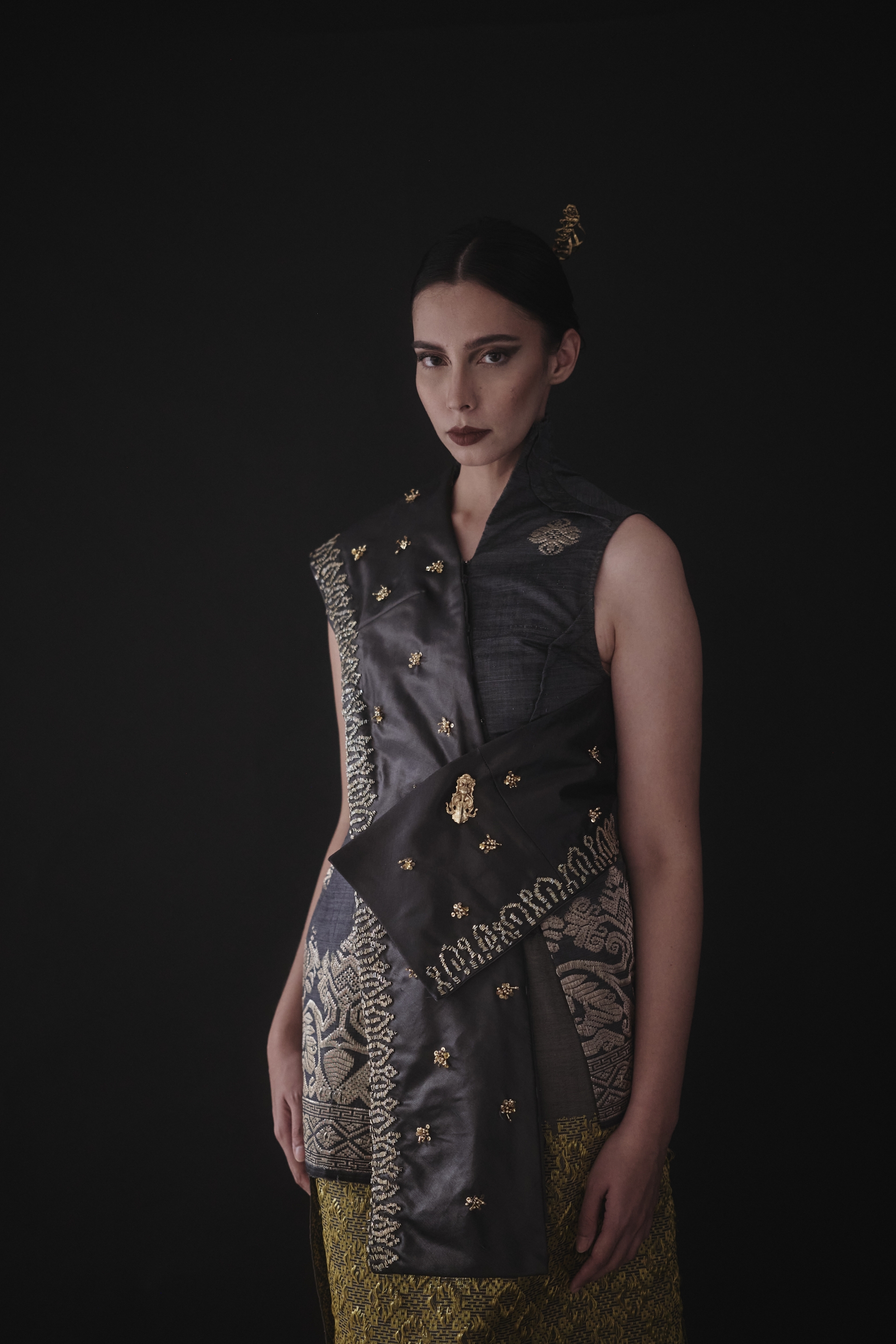
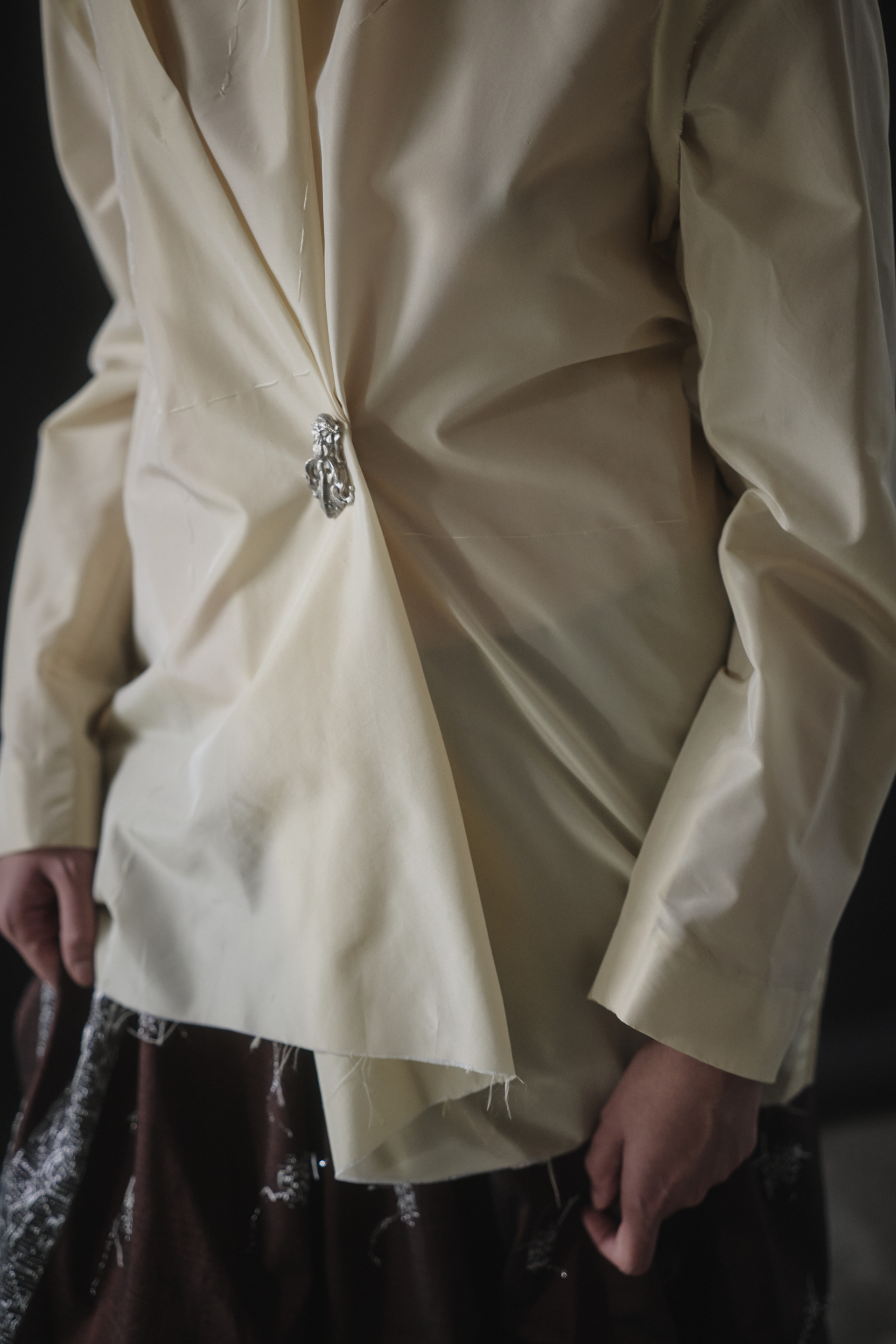
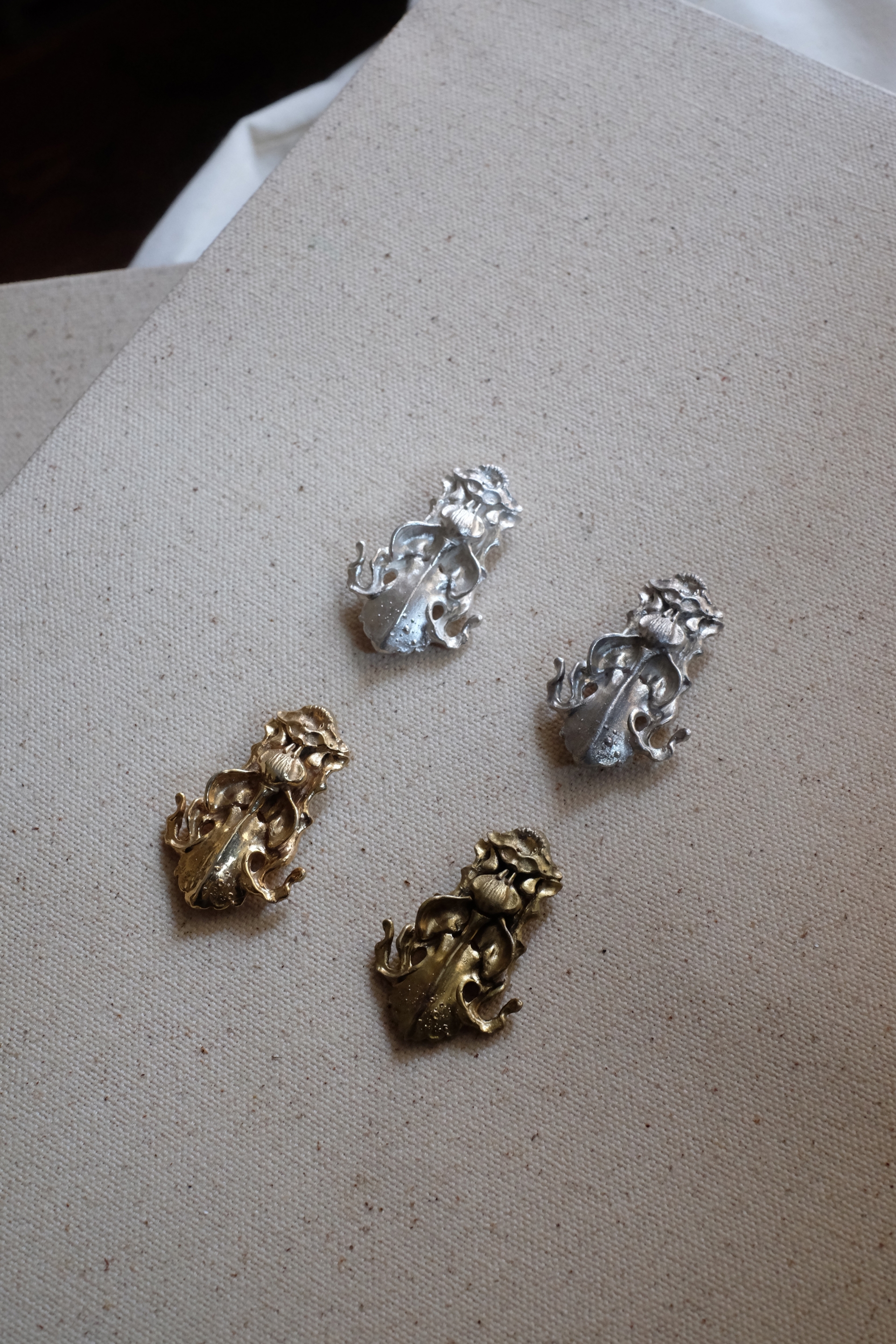
MAHIJA revisits its Austronesian origin—more specifically, fertility rites found in the archipelago, taking cues from symbols found in cultures scattered along the islands such as Nias, Bugis, and Sumba, to name a few. The omega, or in Sumba language, mamoli, a symbol for women’s procreative power—heavily influenced the structure. This bond to one’s place of origin; a call to come back to where we started, so to speak, which is the most Austronesian thing to do.
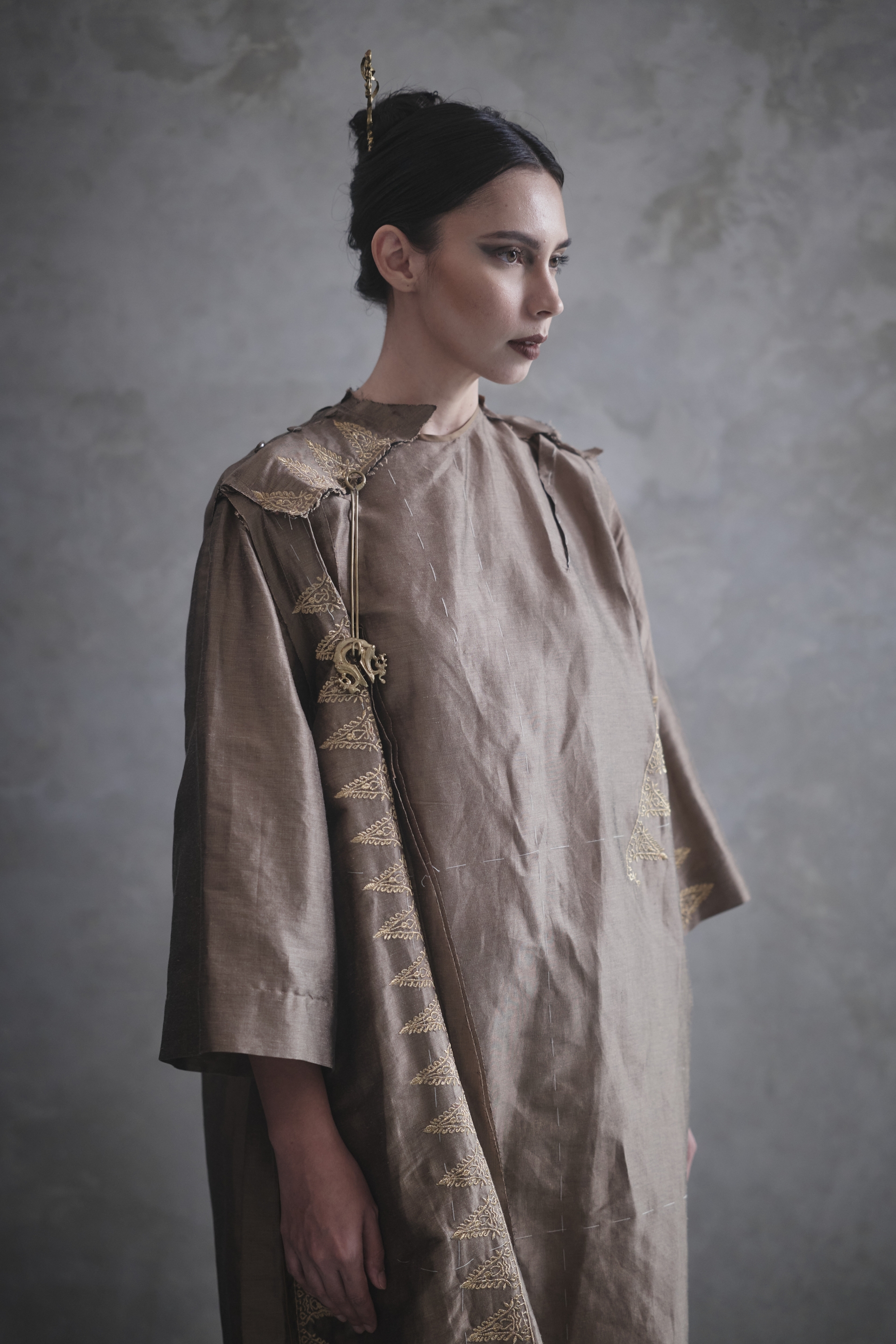
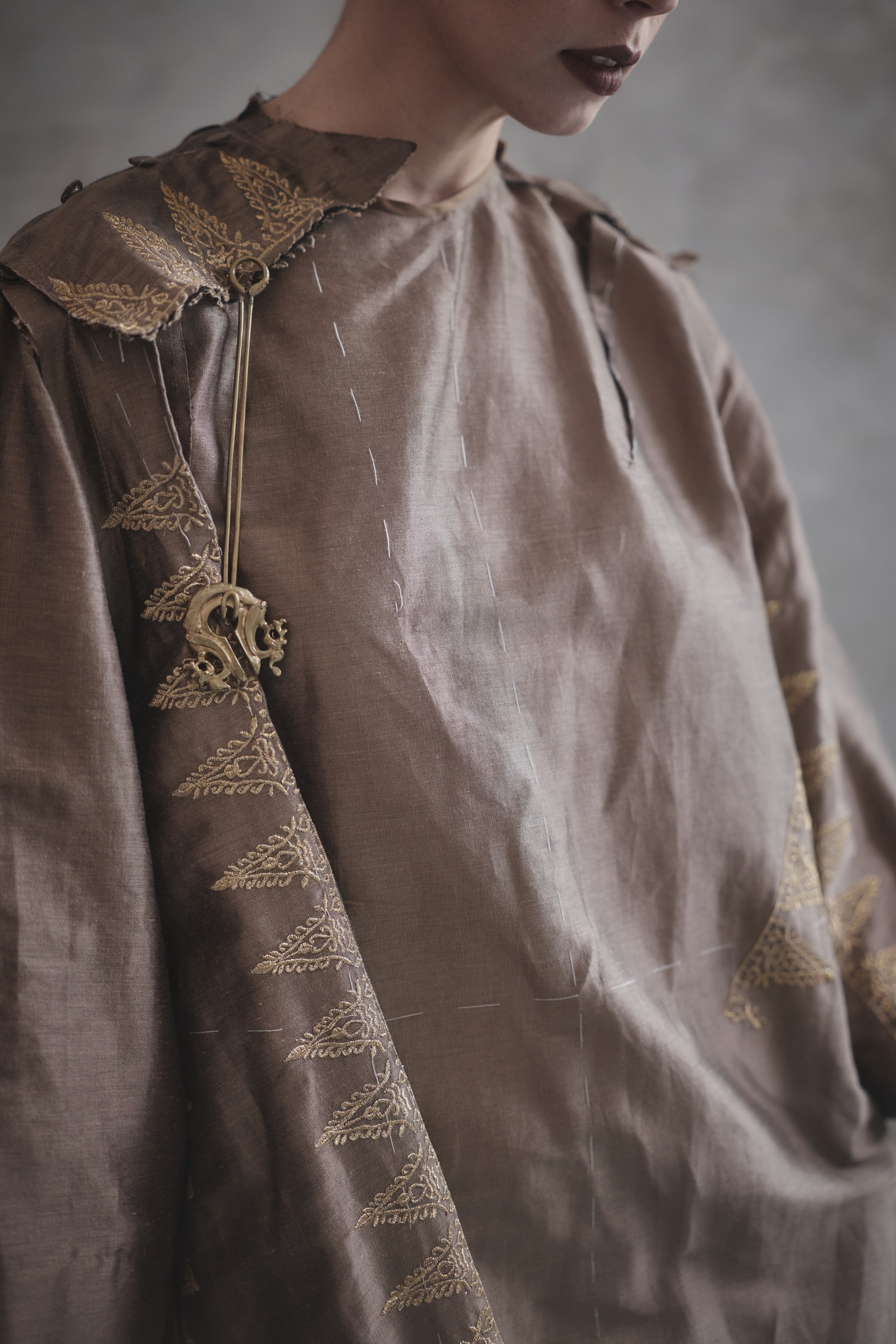
A collaboration with TANGAN, INANG diverted from MAHIJA’s usual approach. The title is a wordplay on both Malay word ‘inang’ (mother, or specifically, the daughter of a nobleman) and ‘menginang’ (betel-chewing tradition held by women of various Austronesian cultures). INANG takes an empirical approach in retelling maritime Austronesian history. From the times of megalithic worship to entanglement with both Vedic cultures and Gujarati merchants, the output feels almost archival. Yet in our effort to find novelty, MAHIJA returns to its conception. An unexpected pilgrimage; a different kind of homecoming.