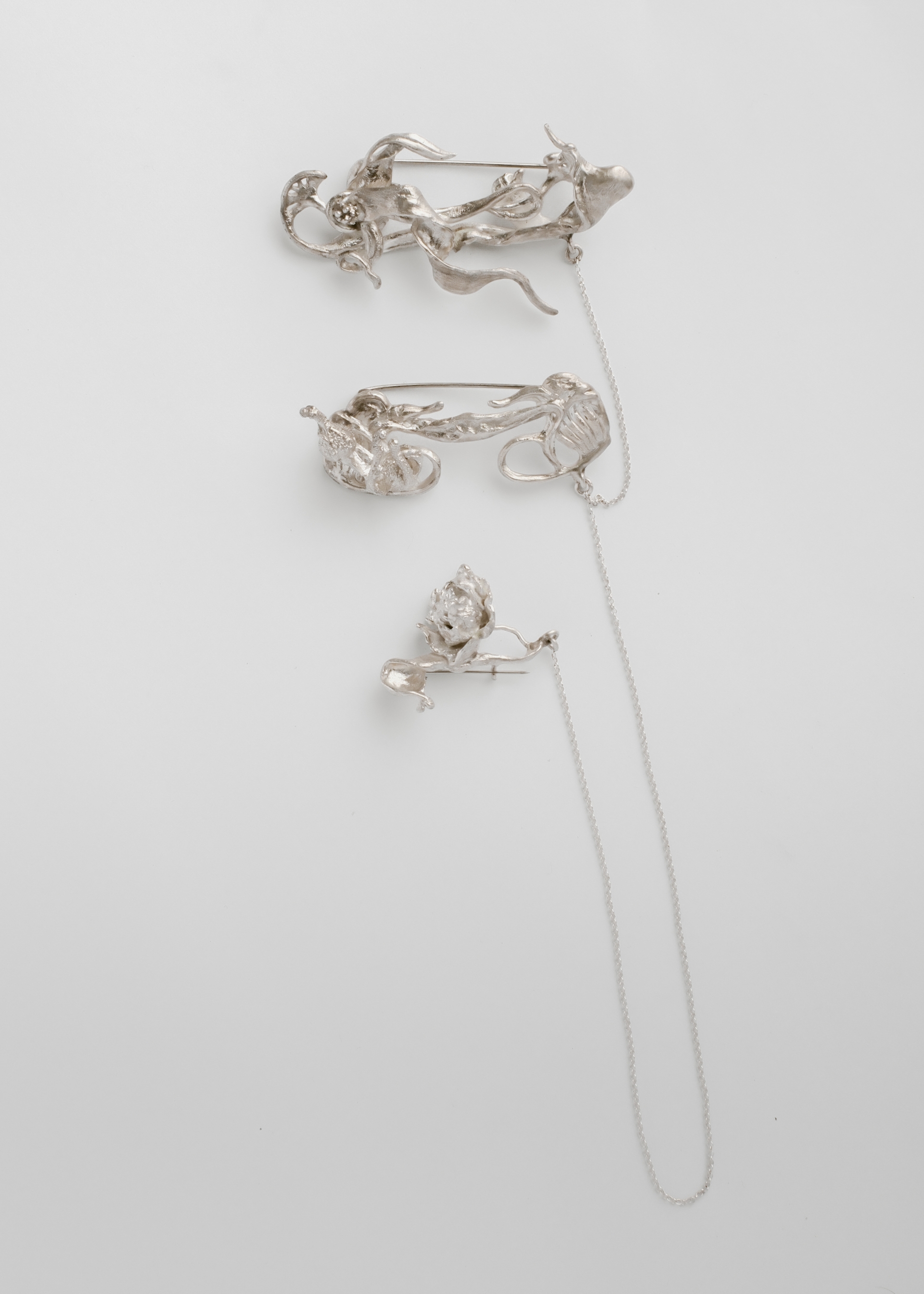
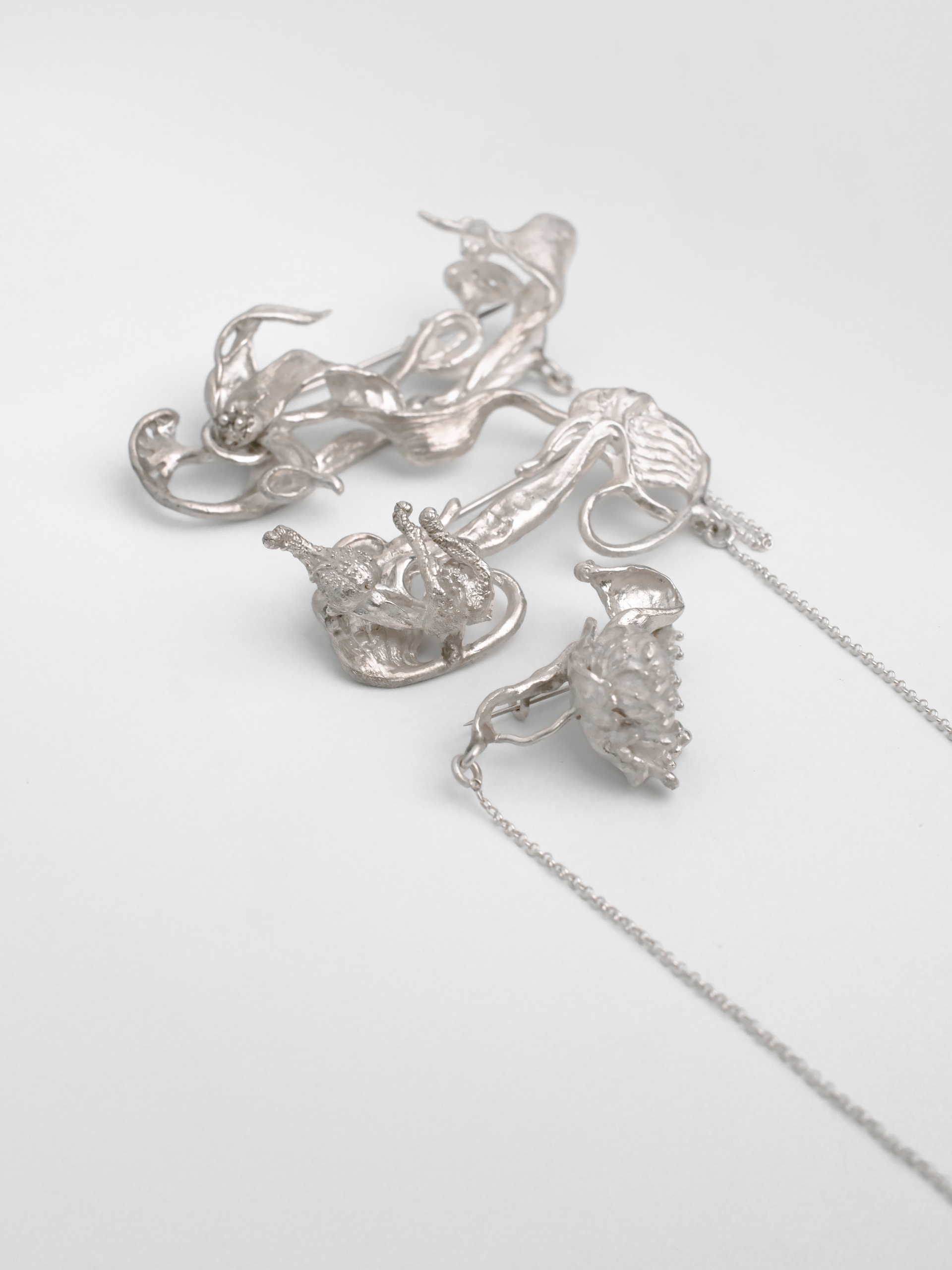
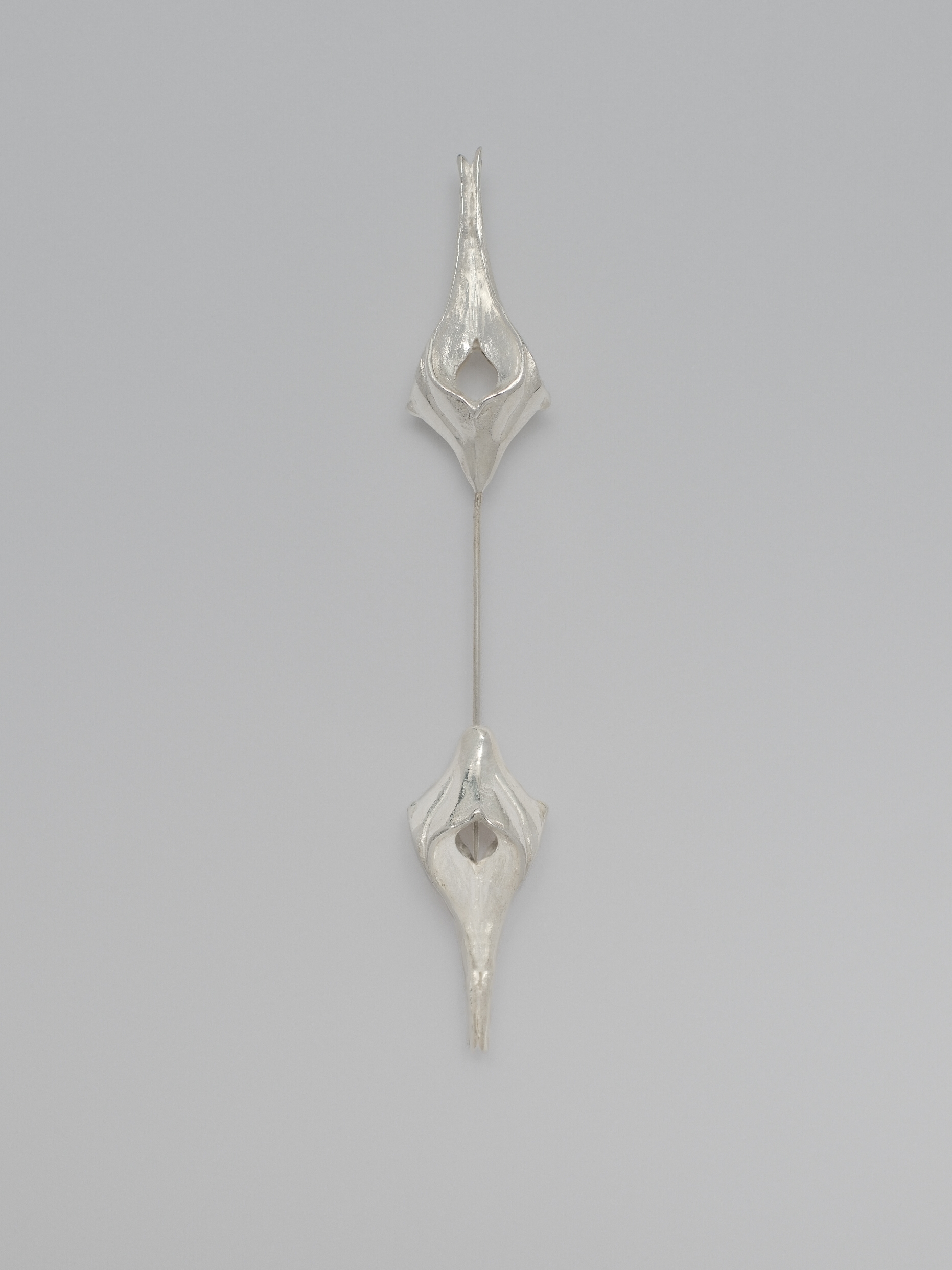
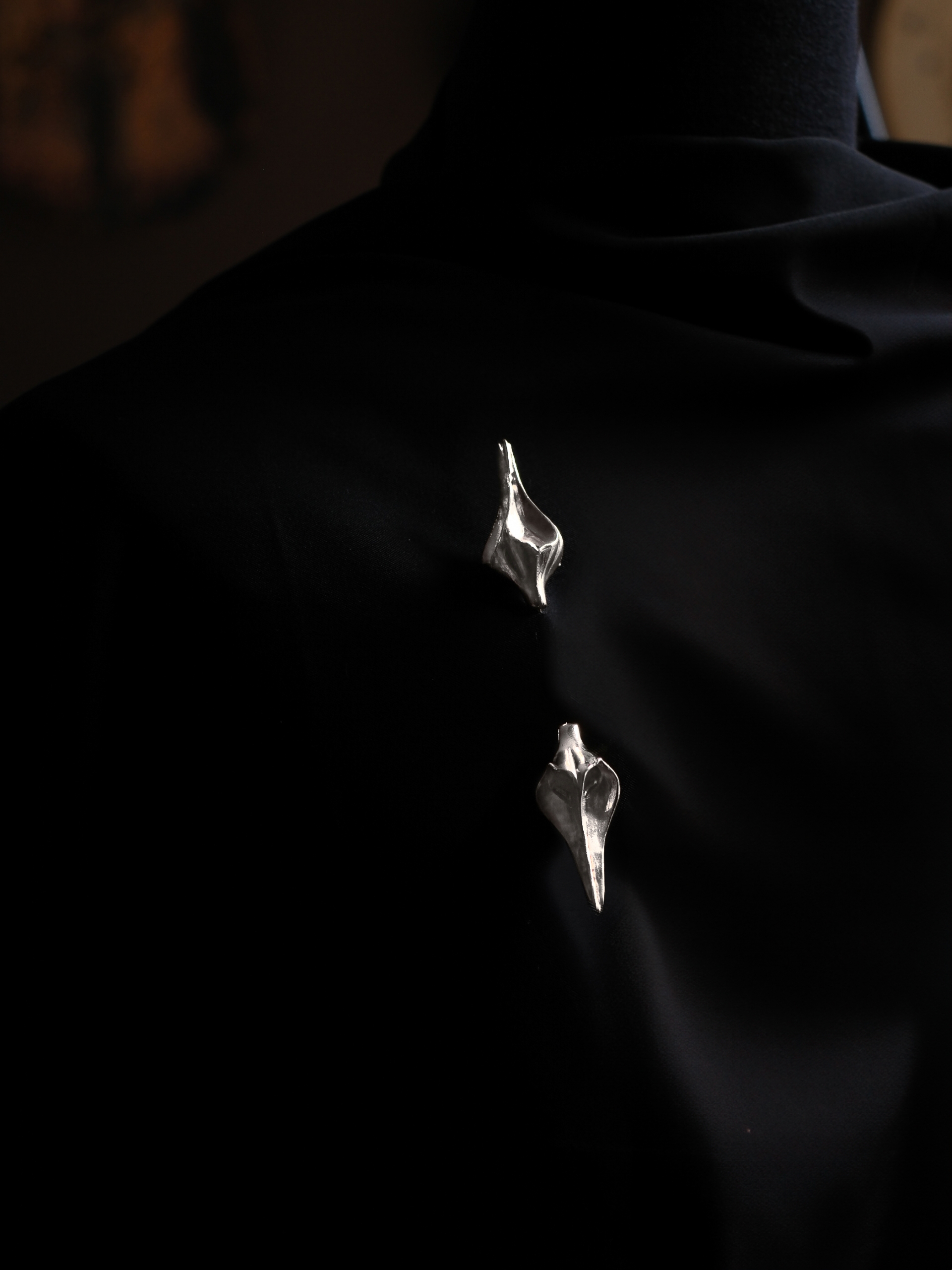
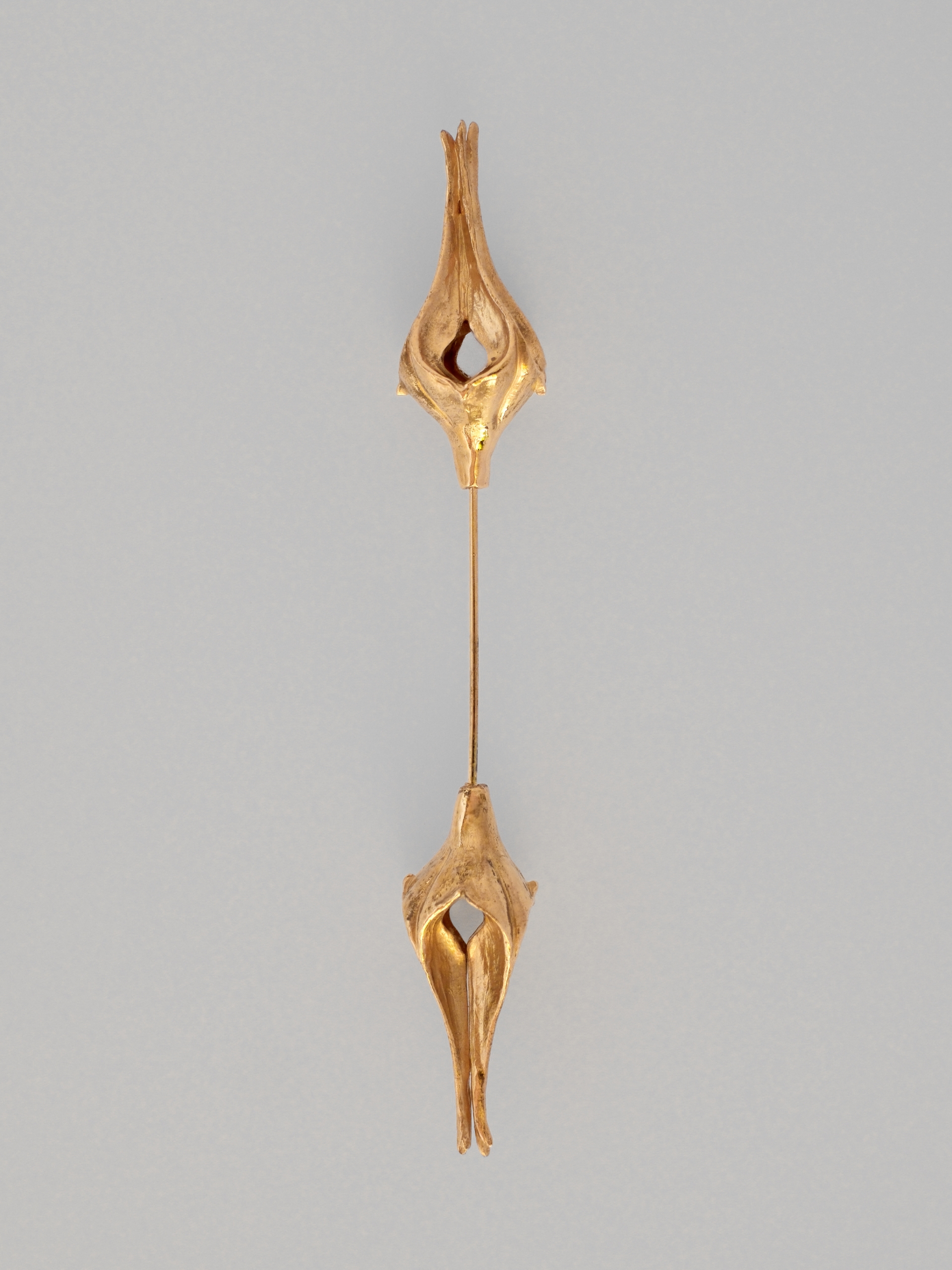
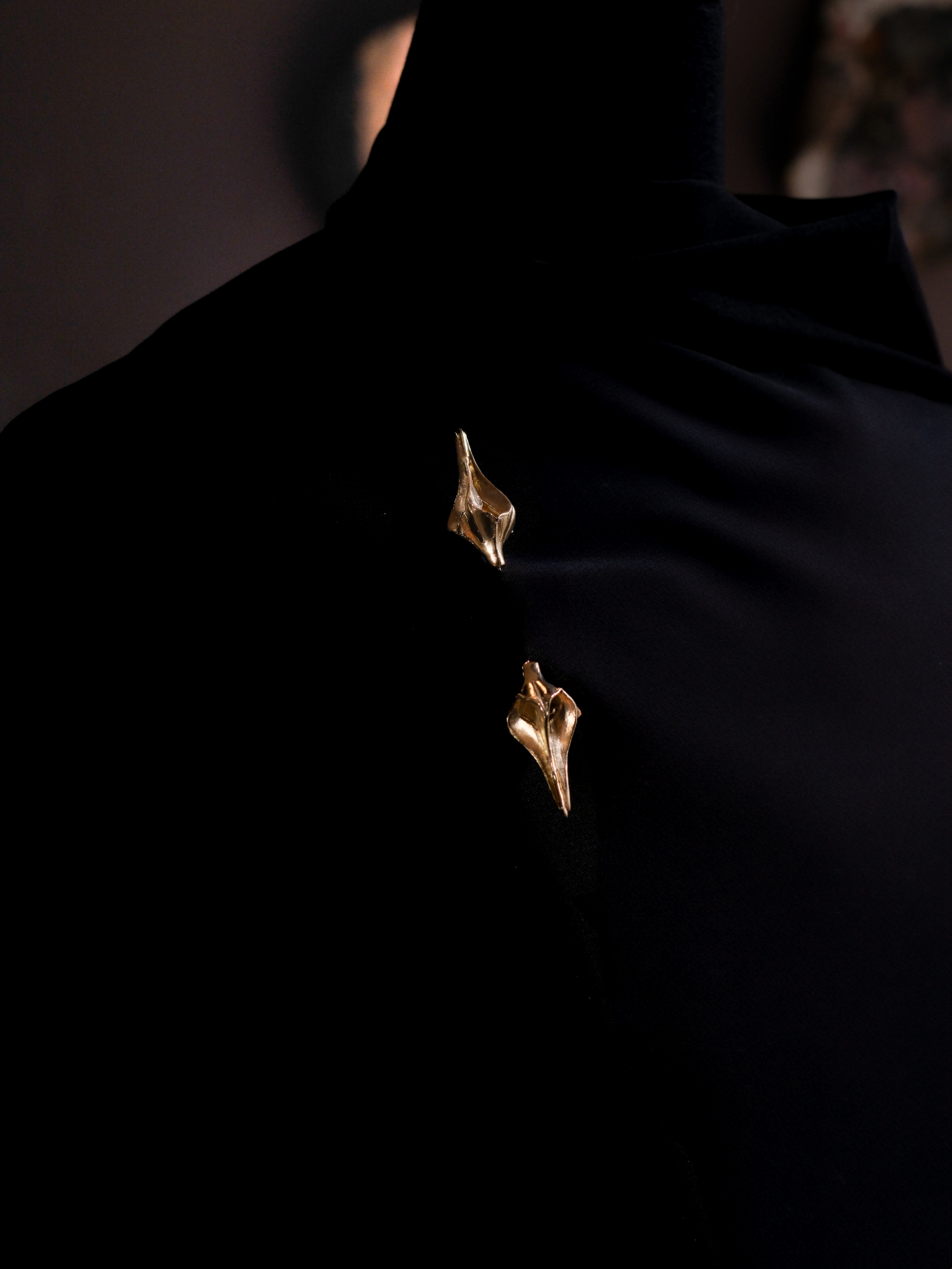
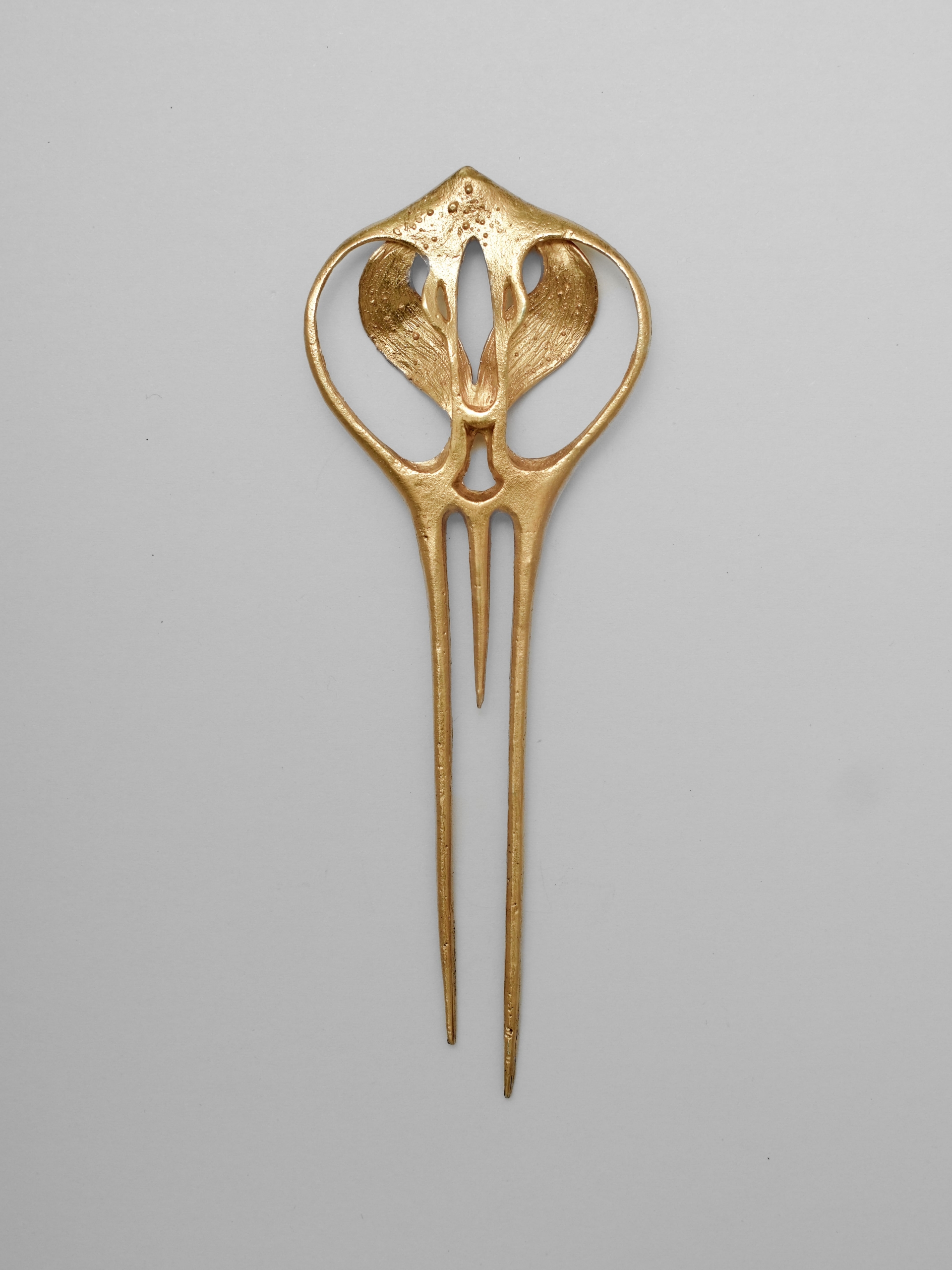
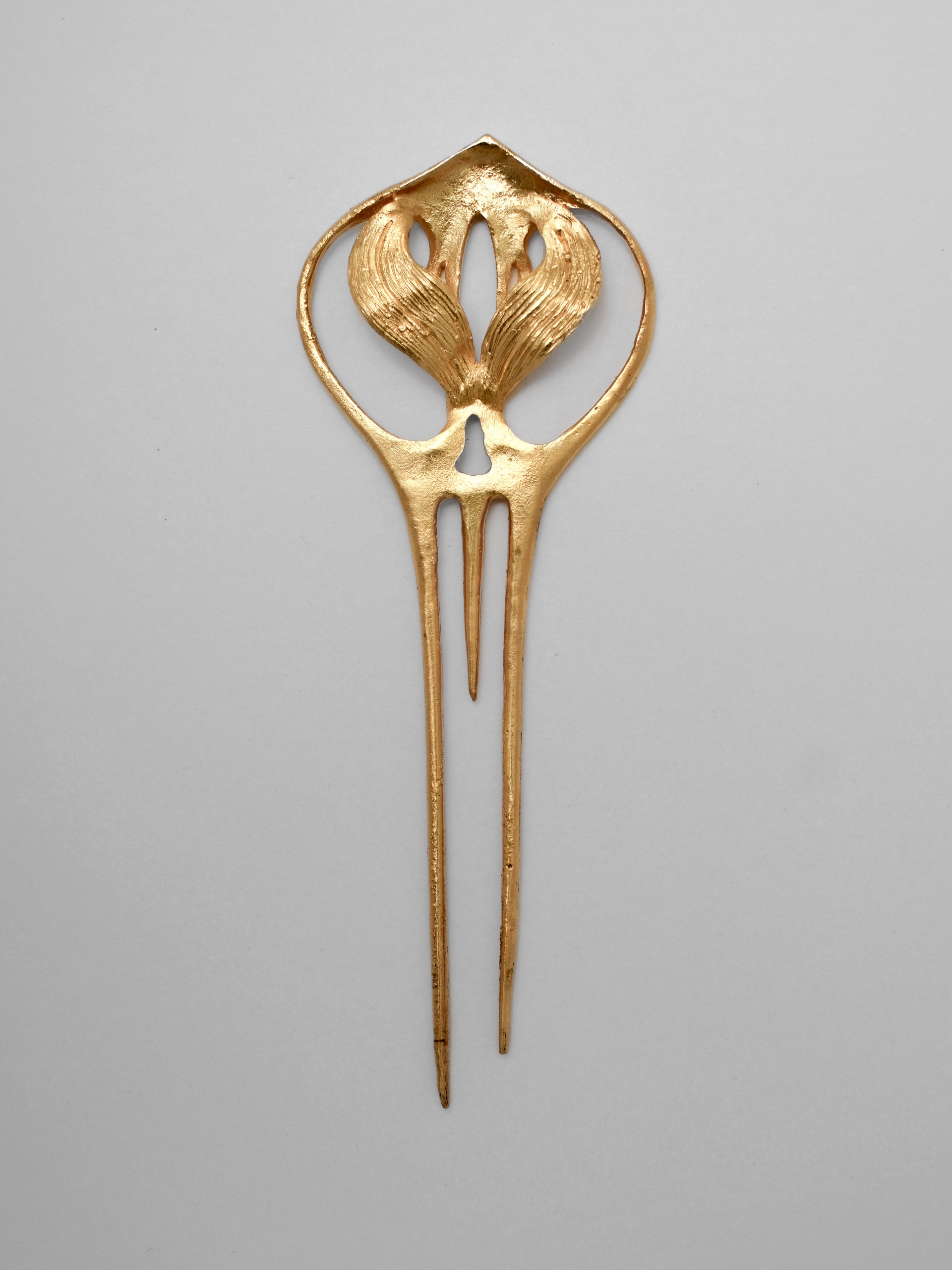
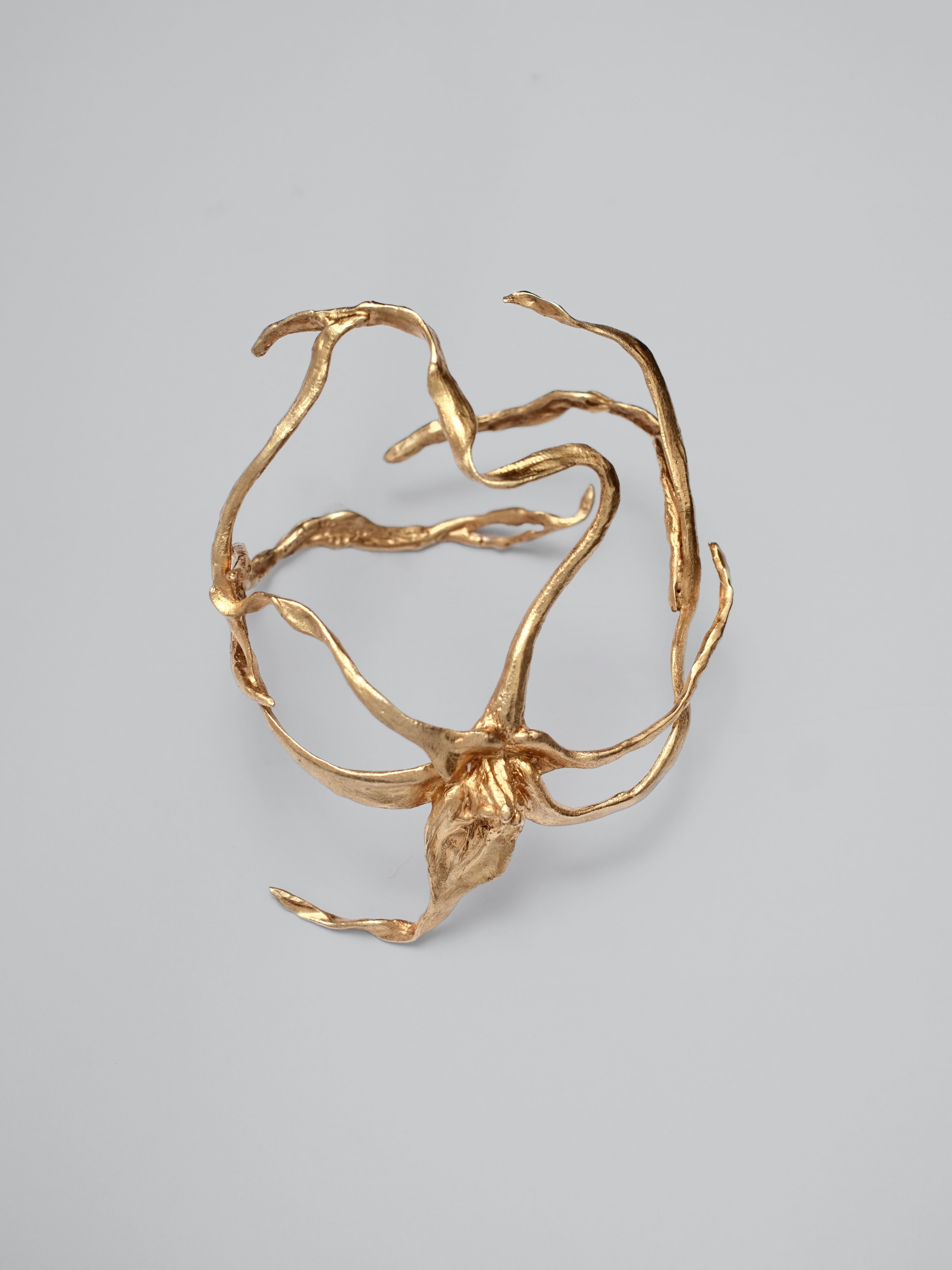
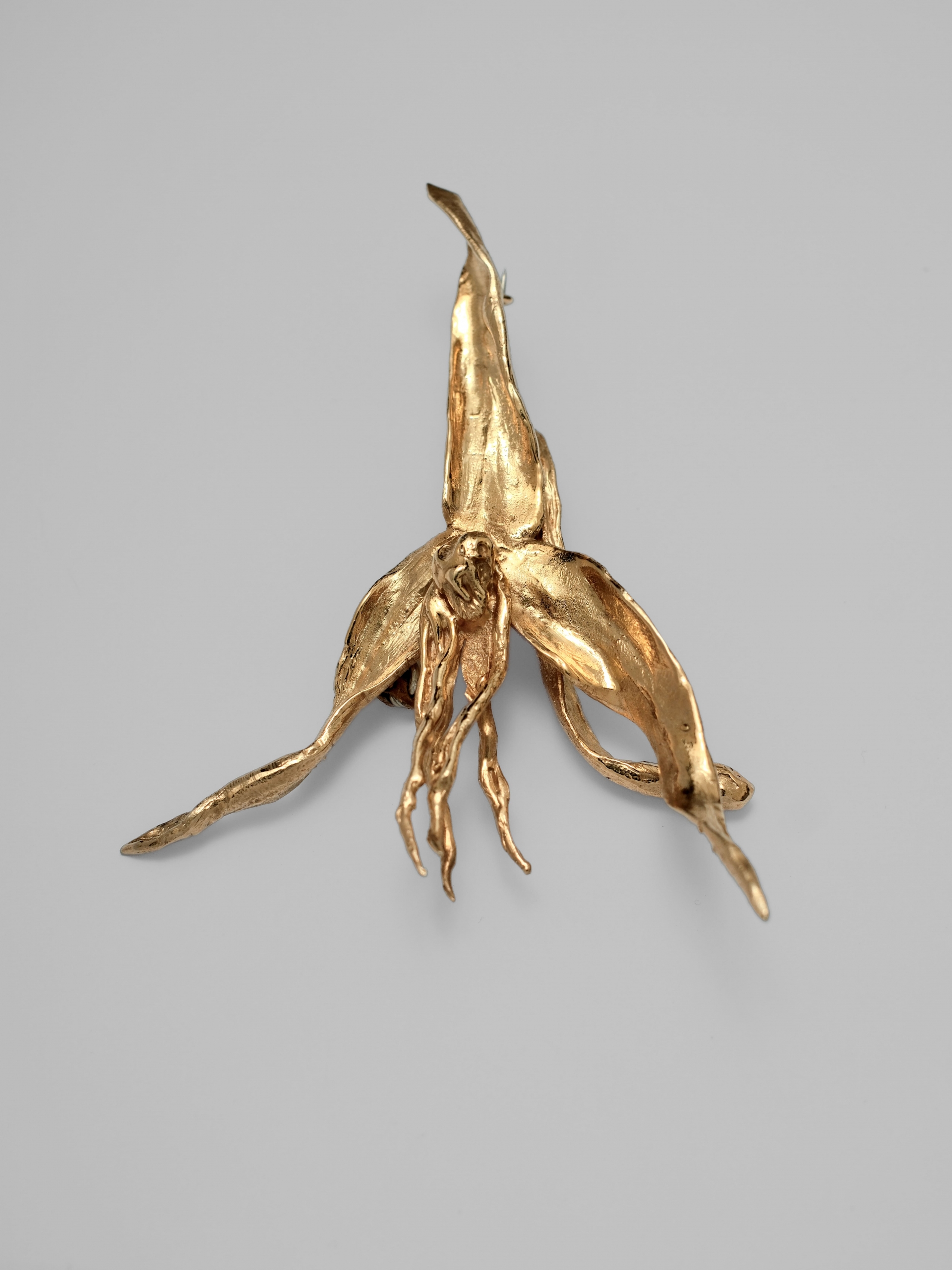
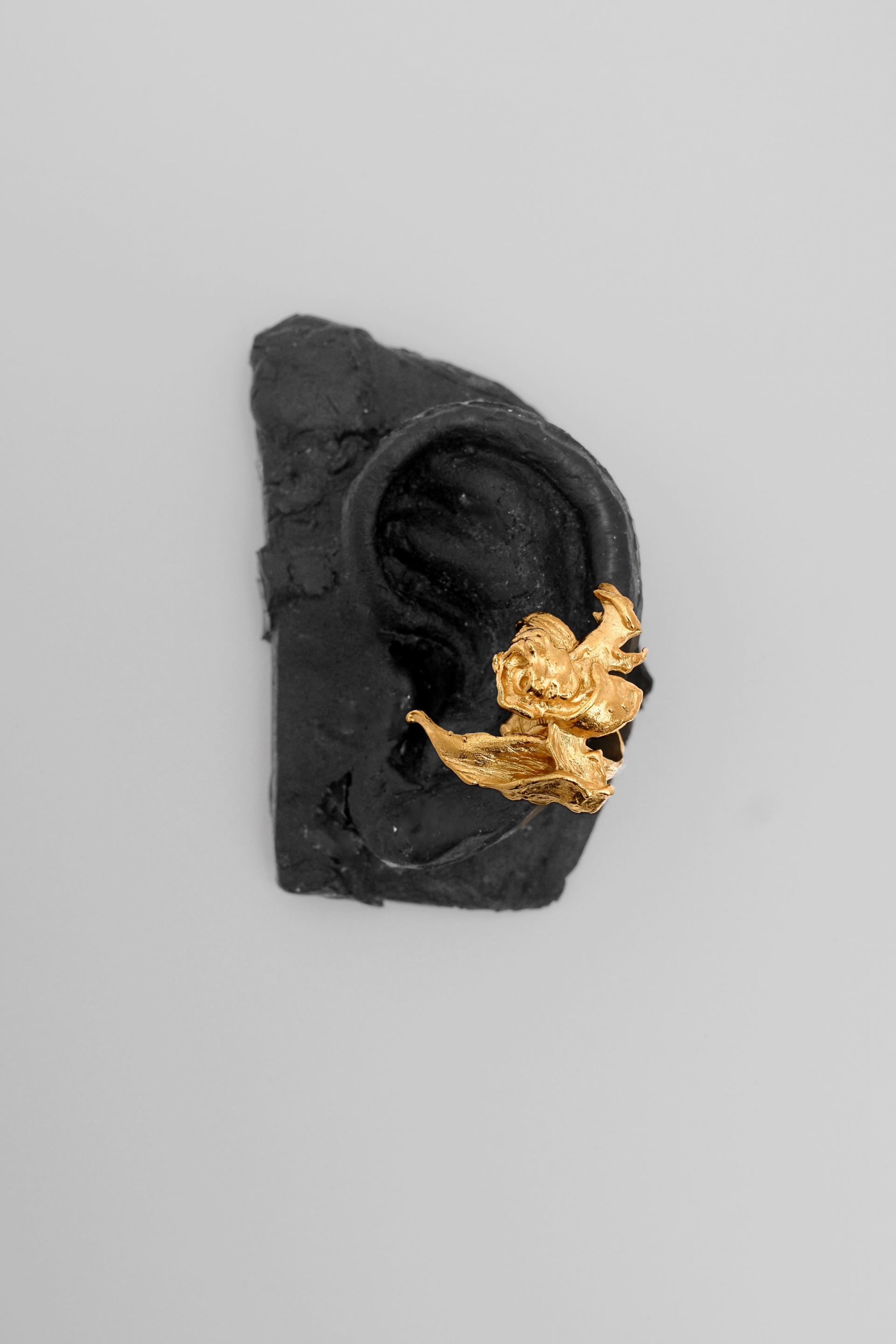
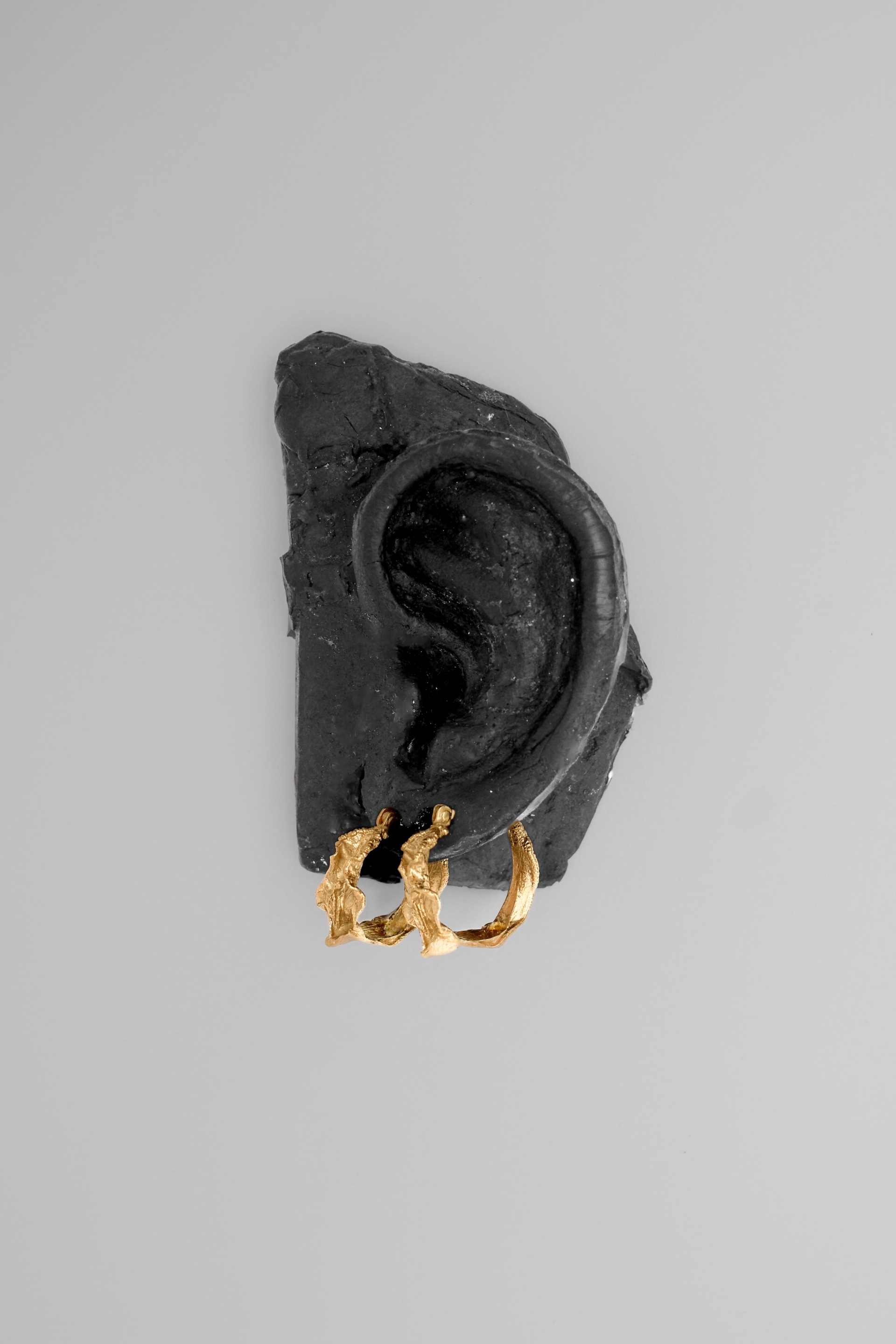
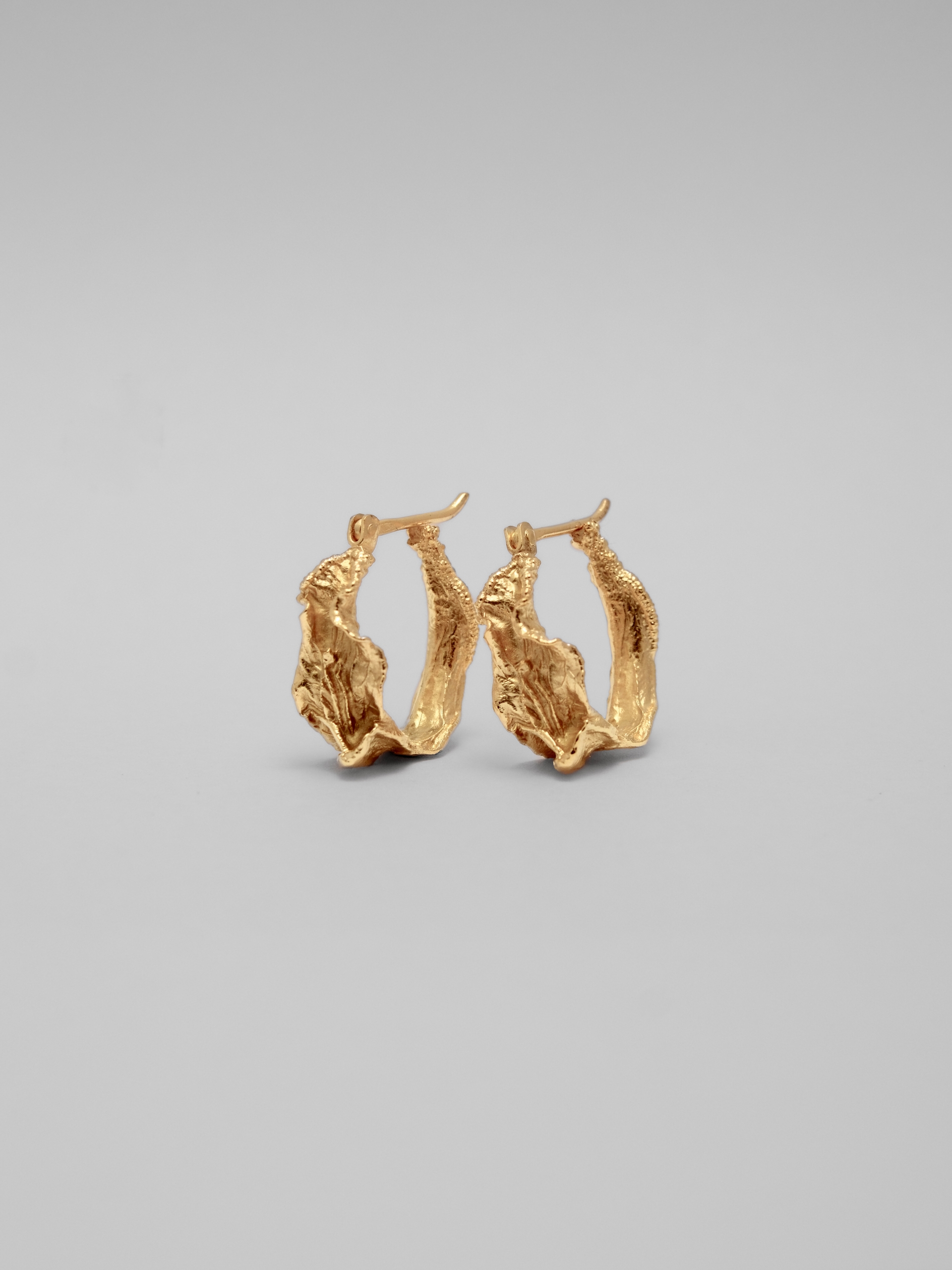
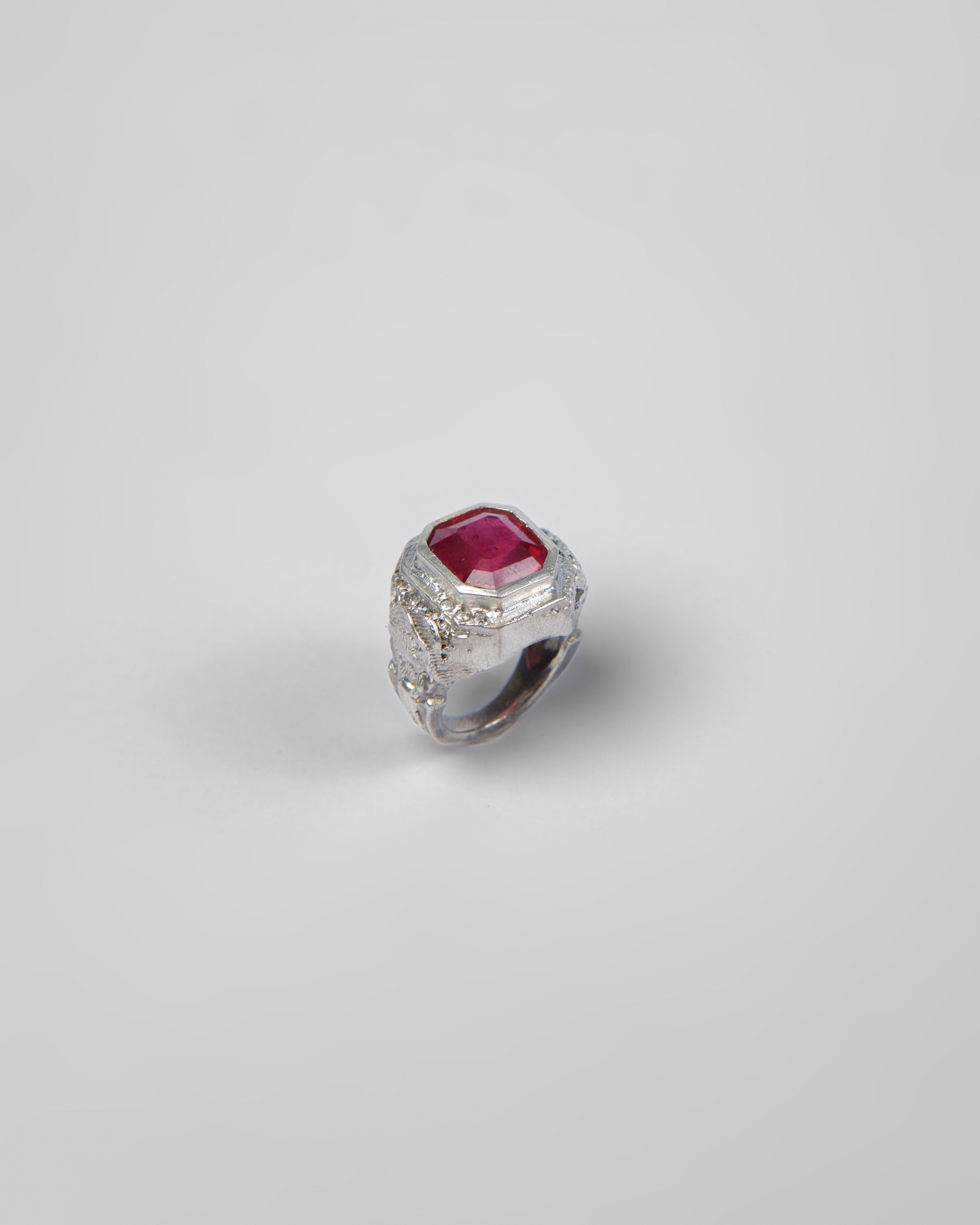
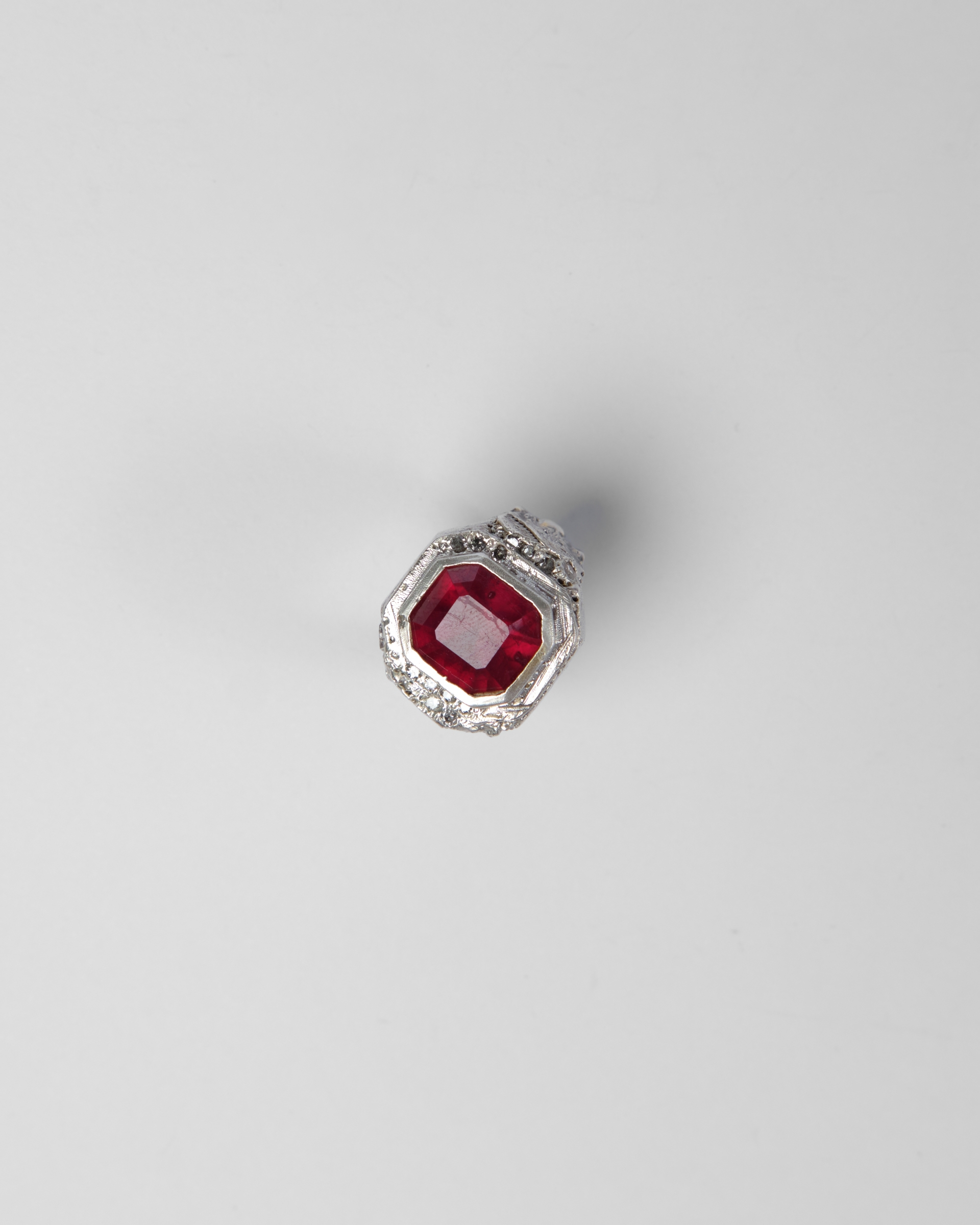
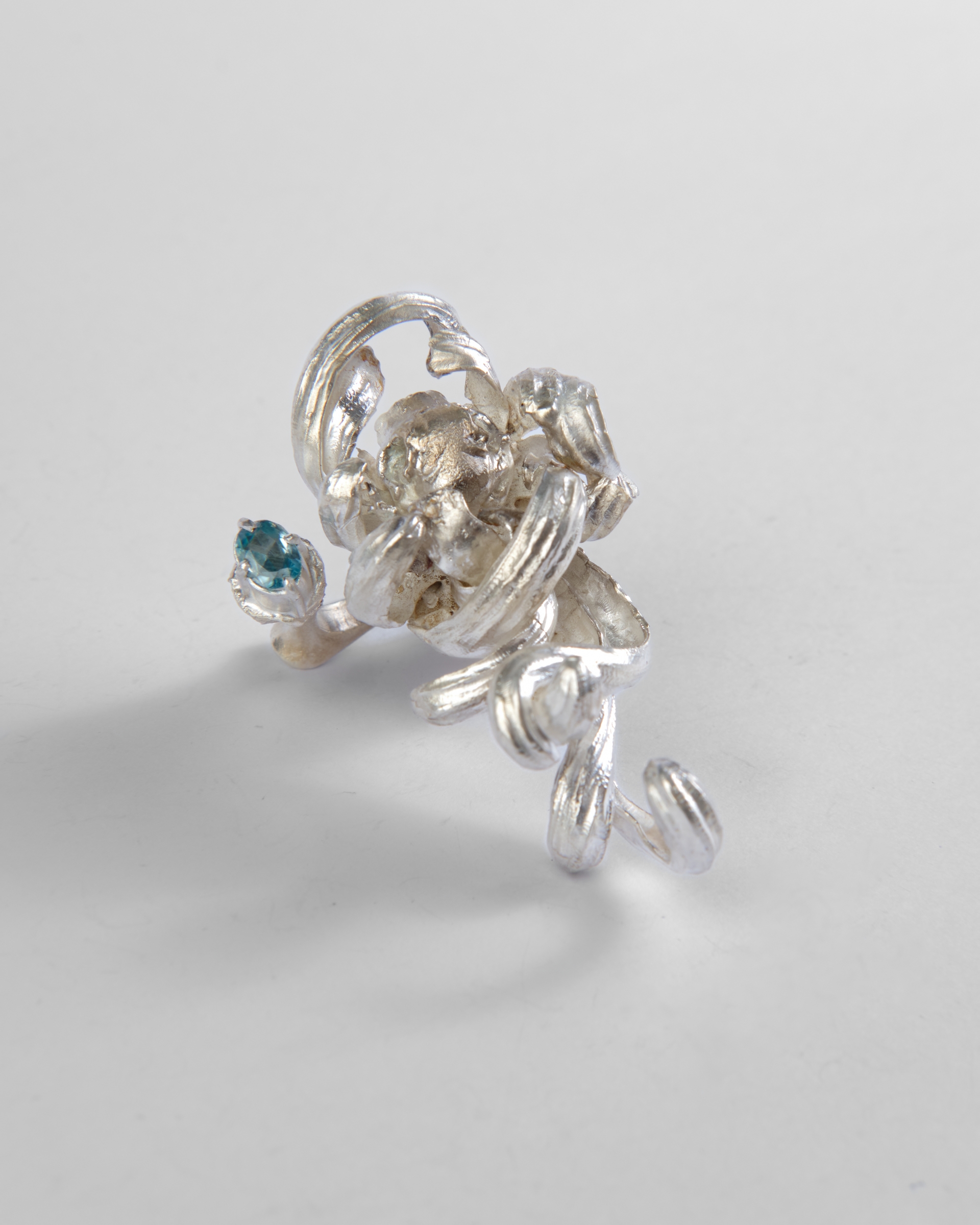
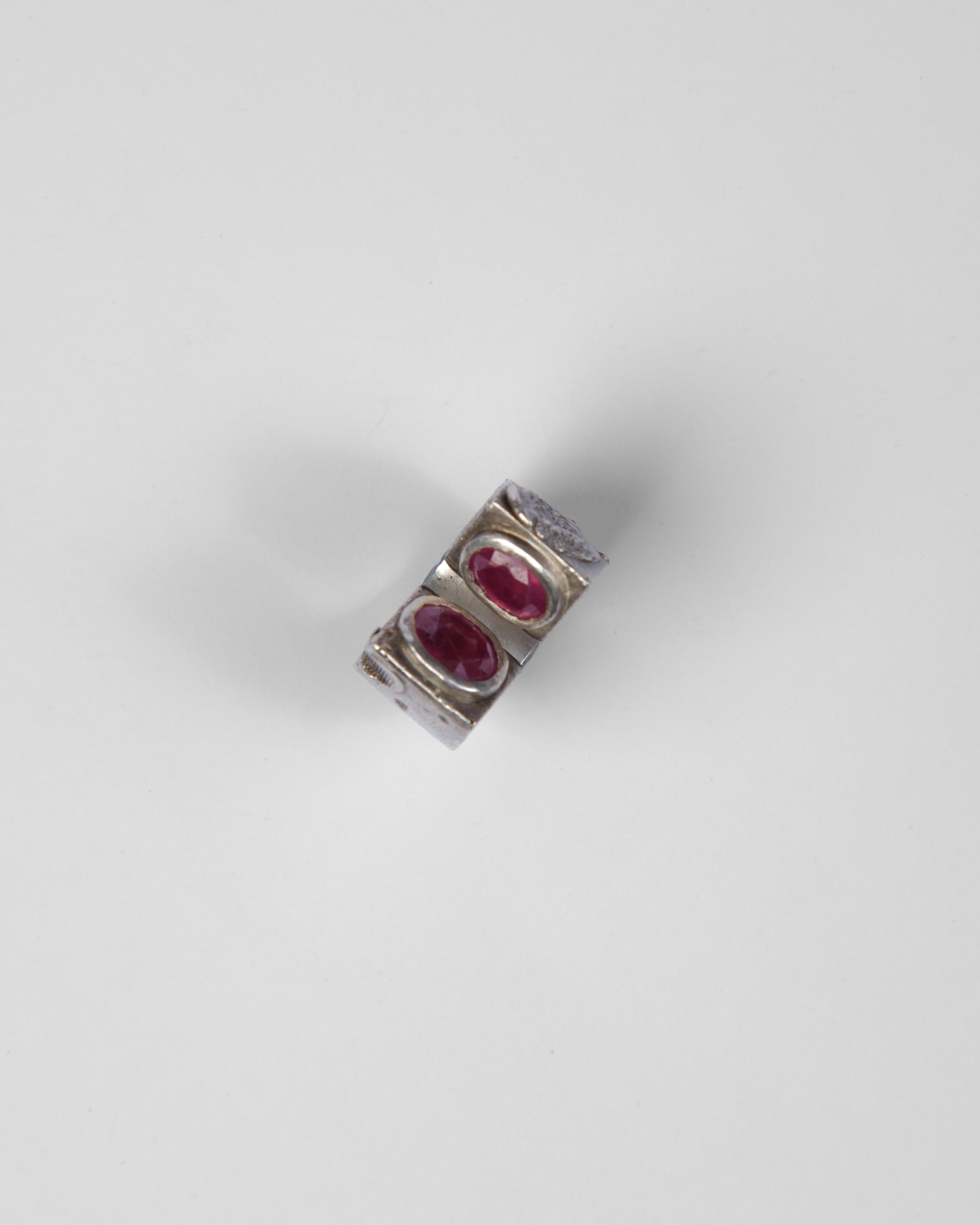
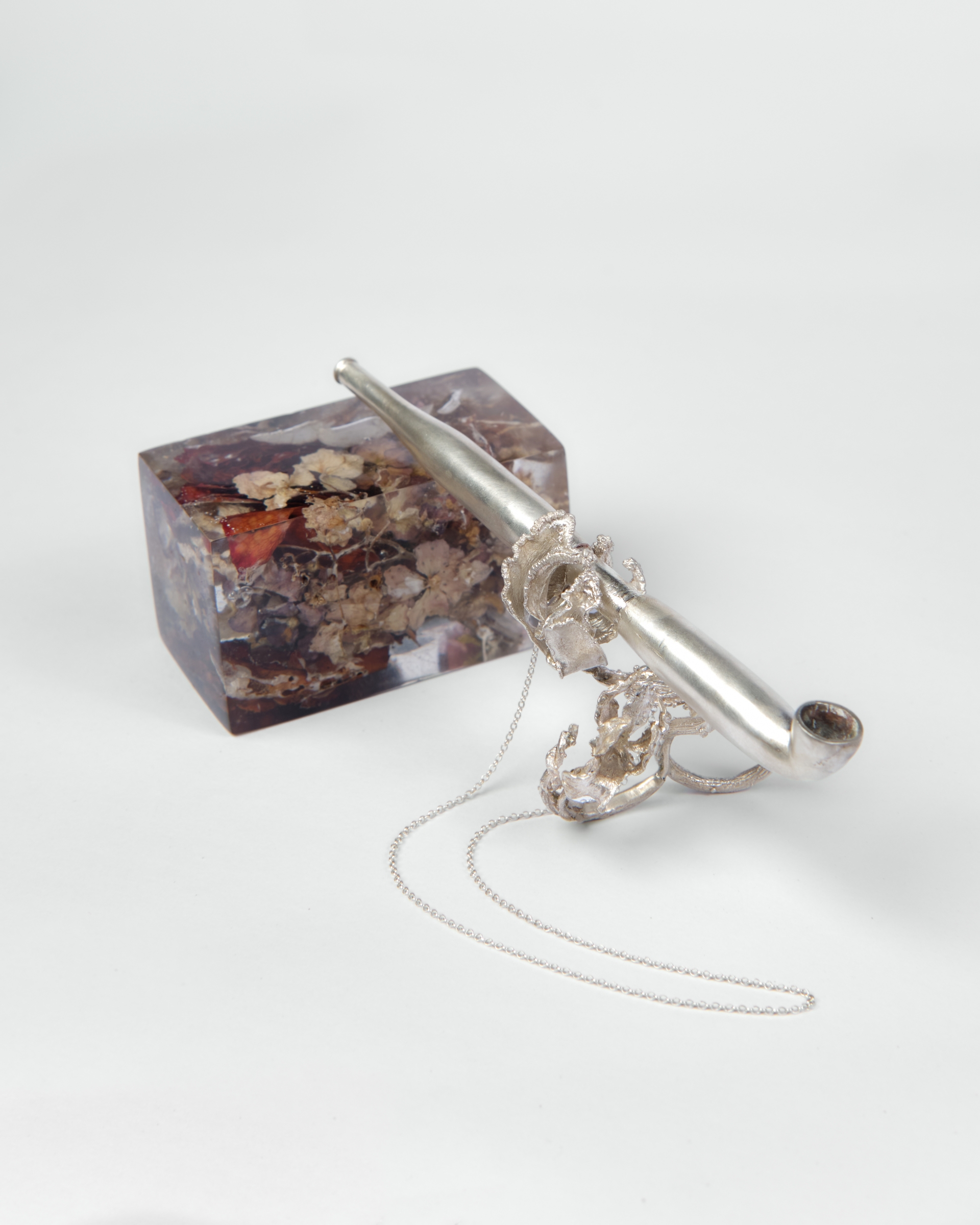
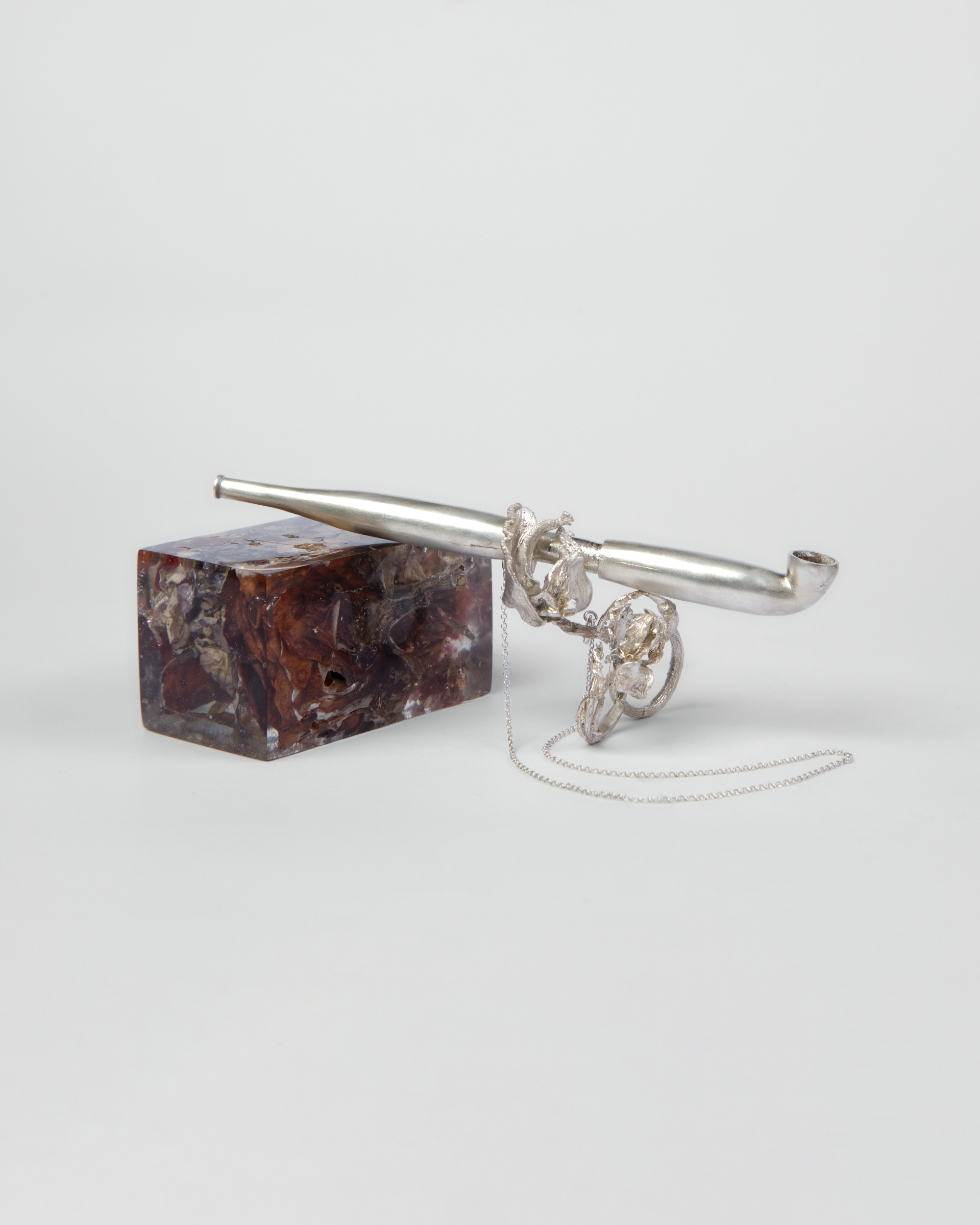
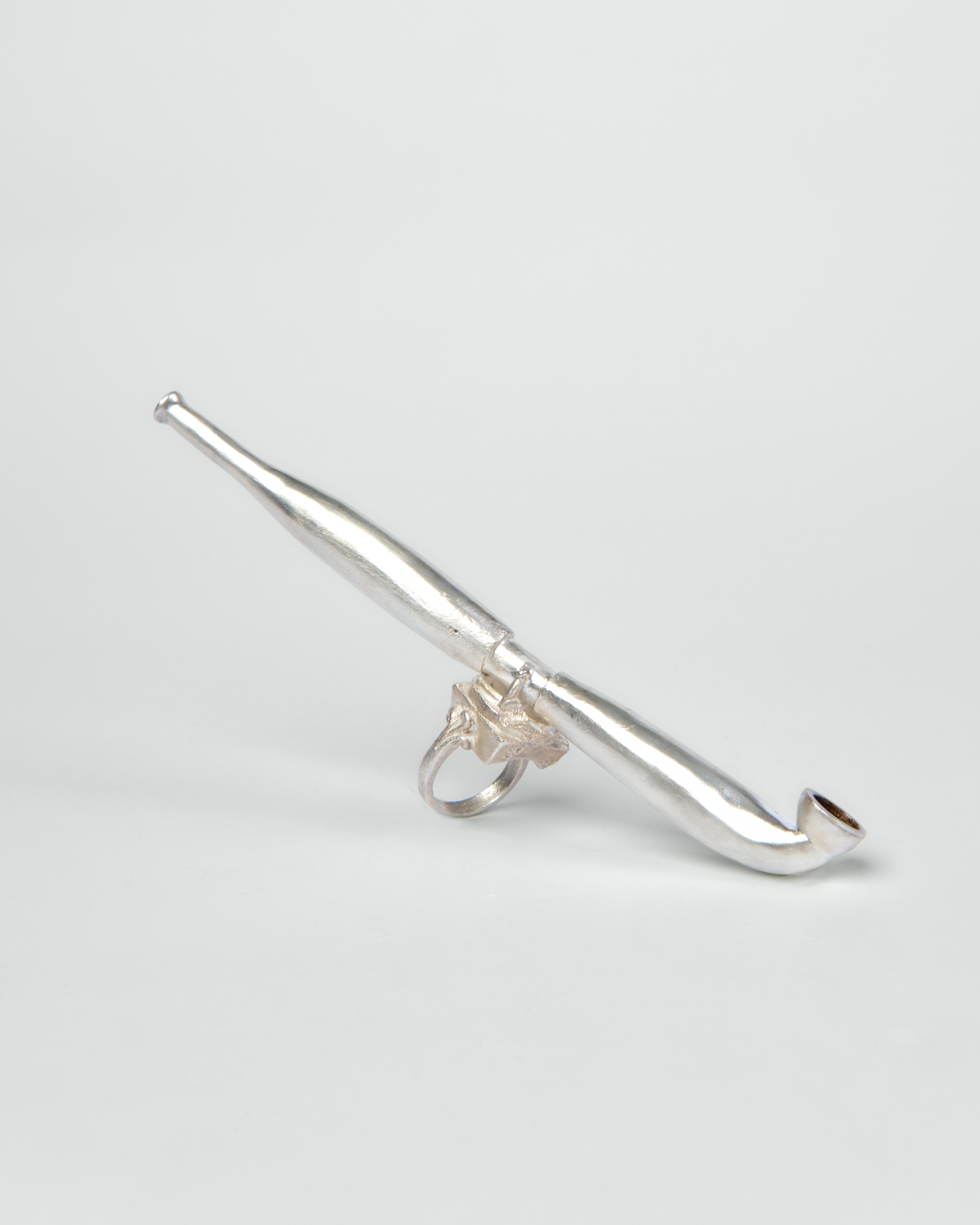
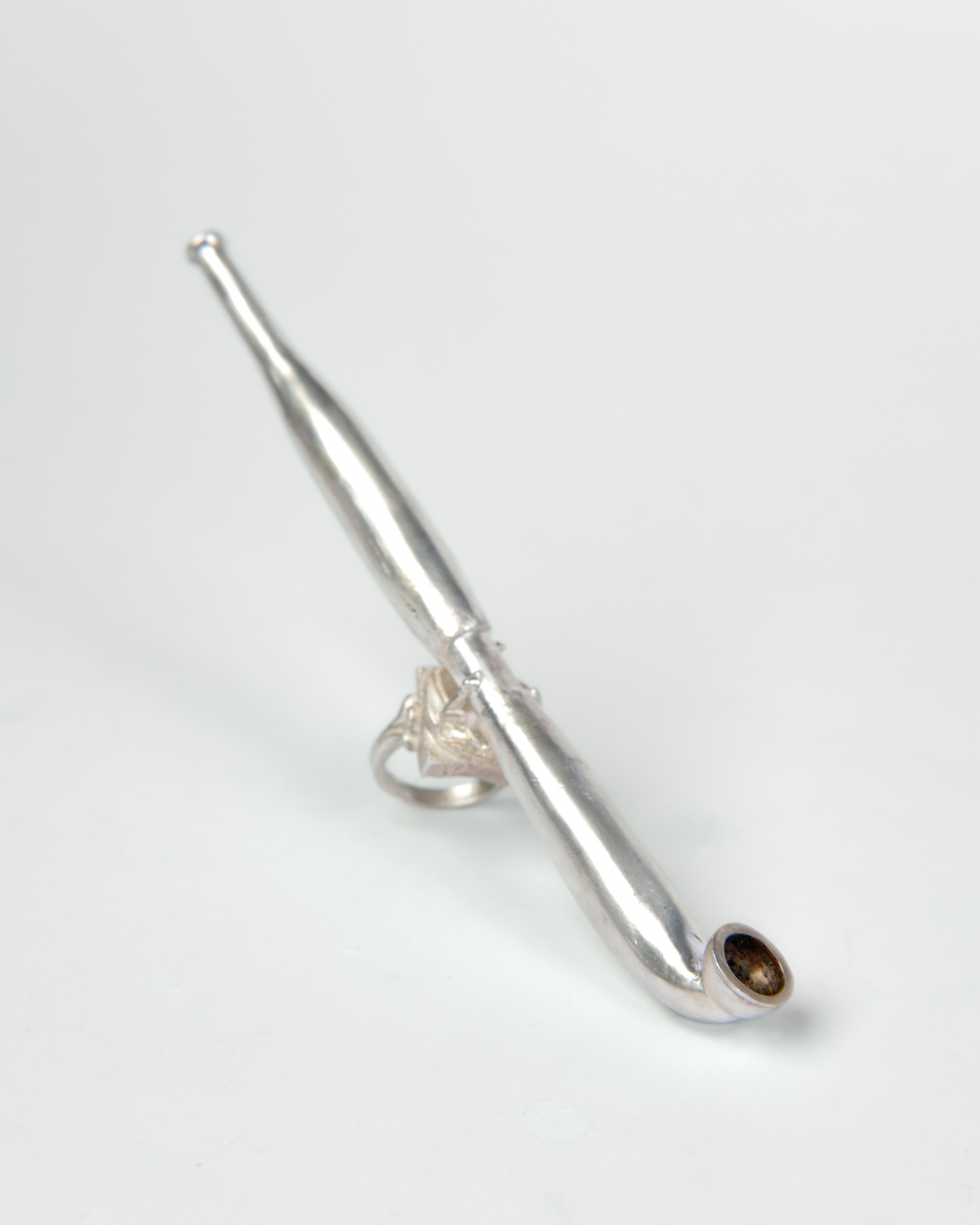
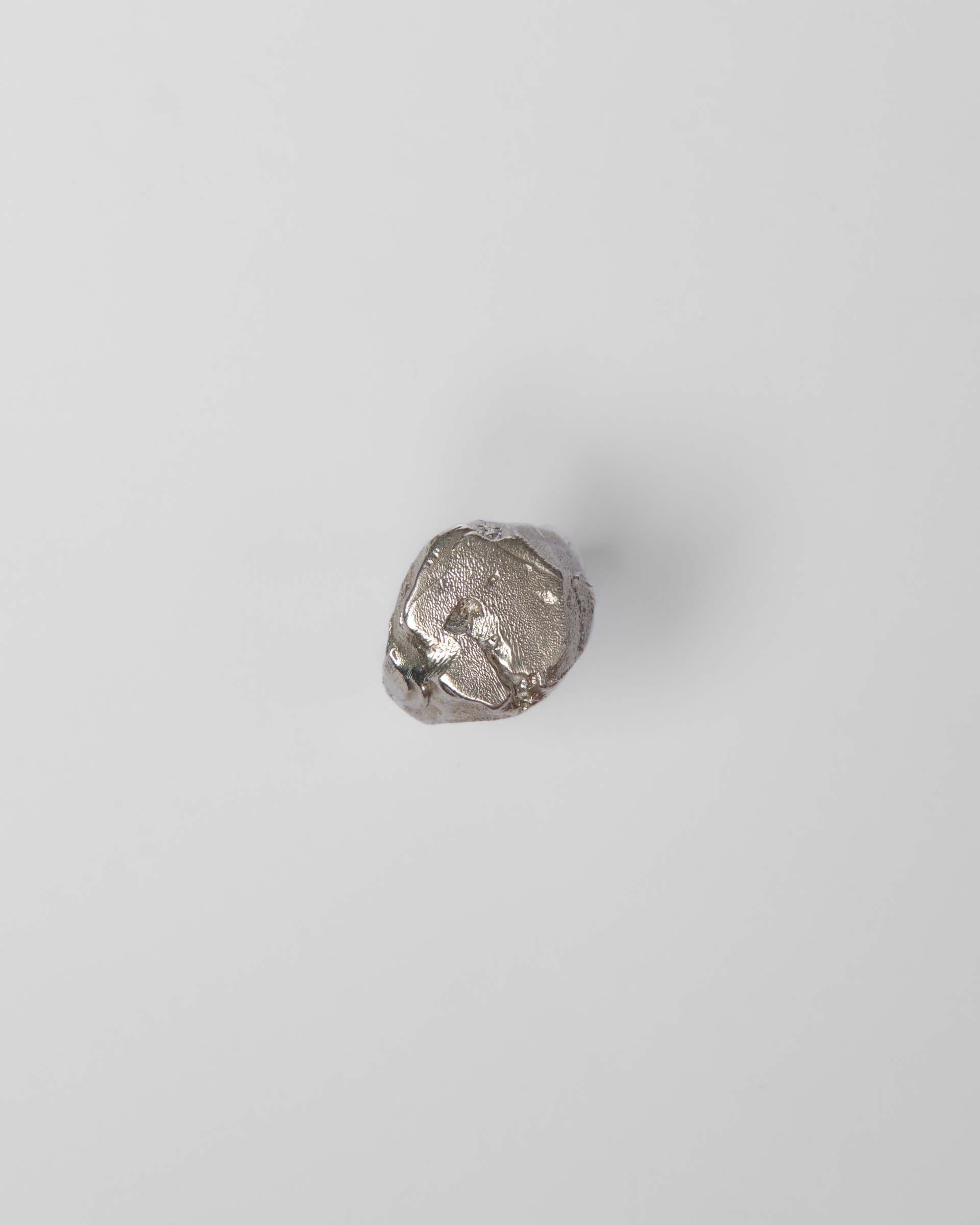
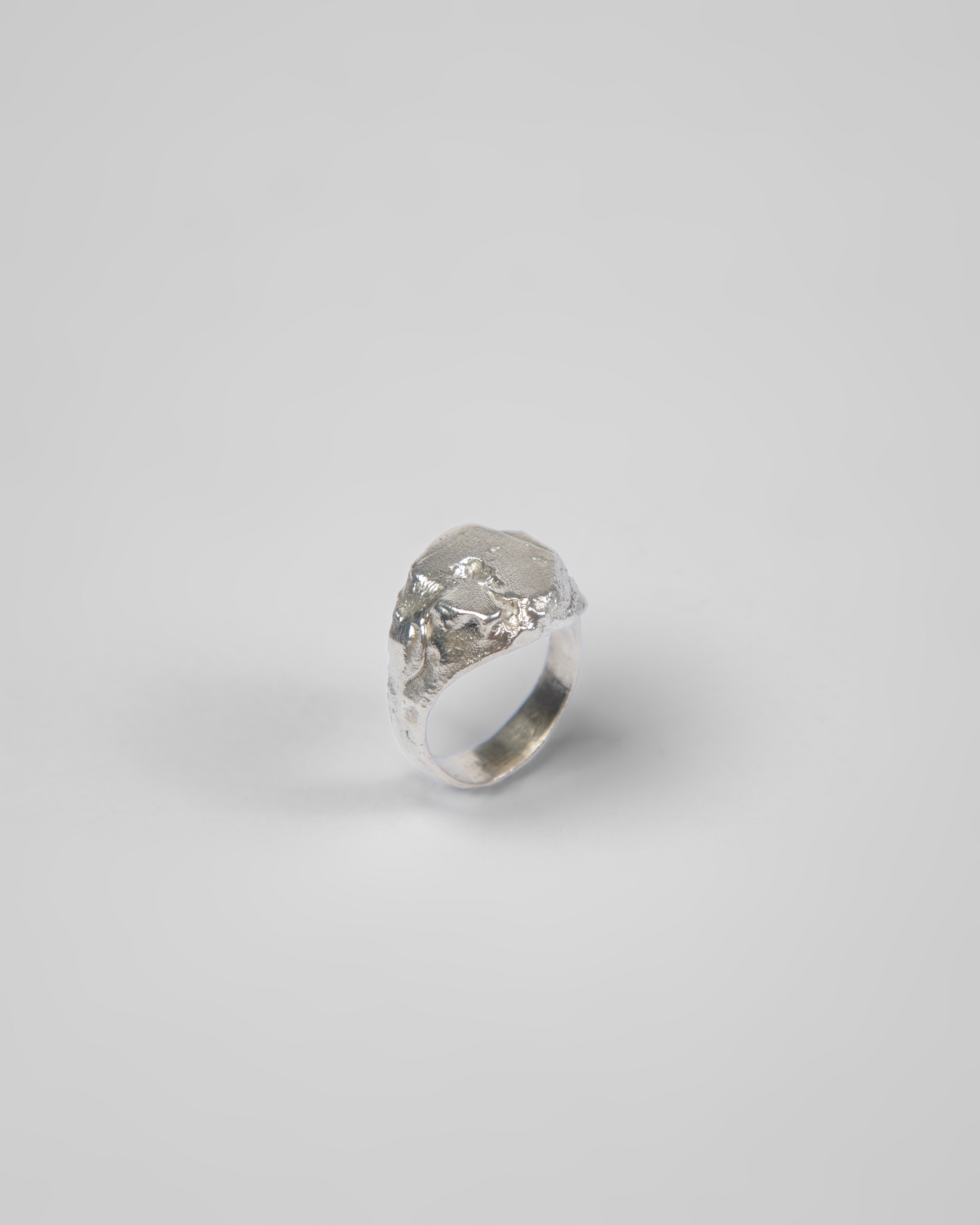
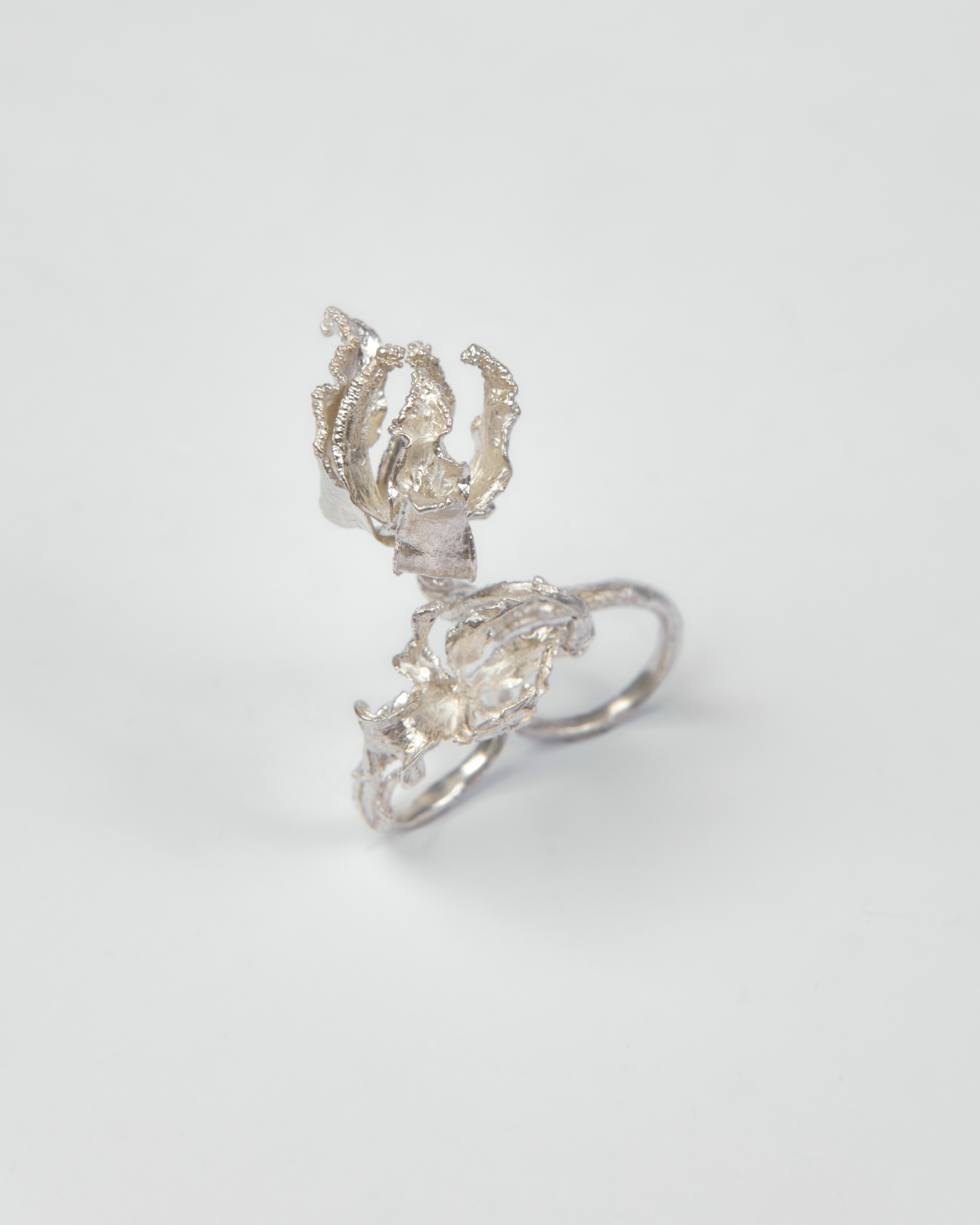
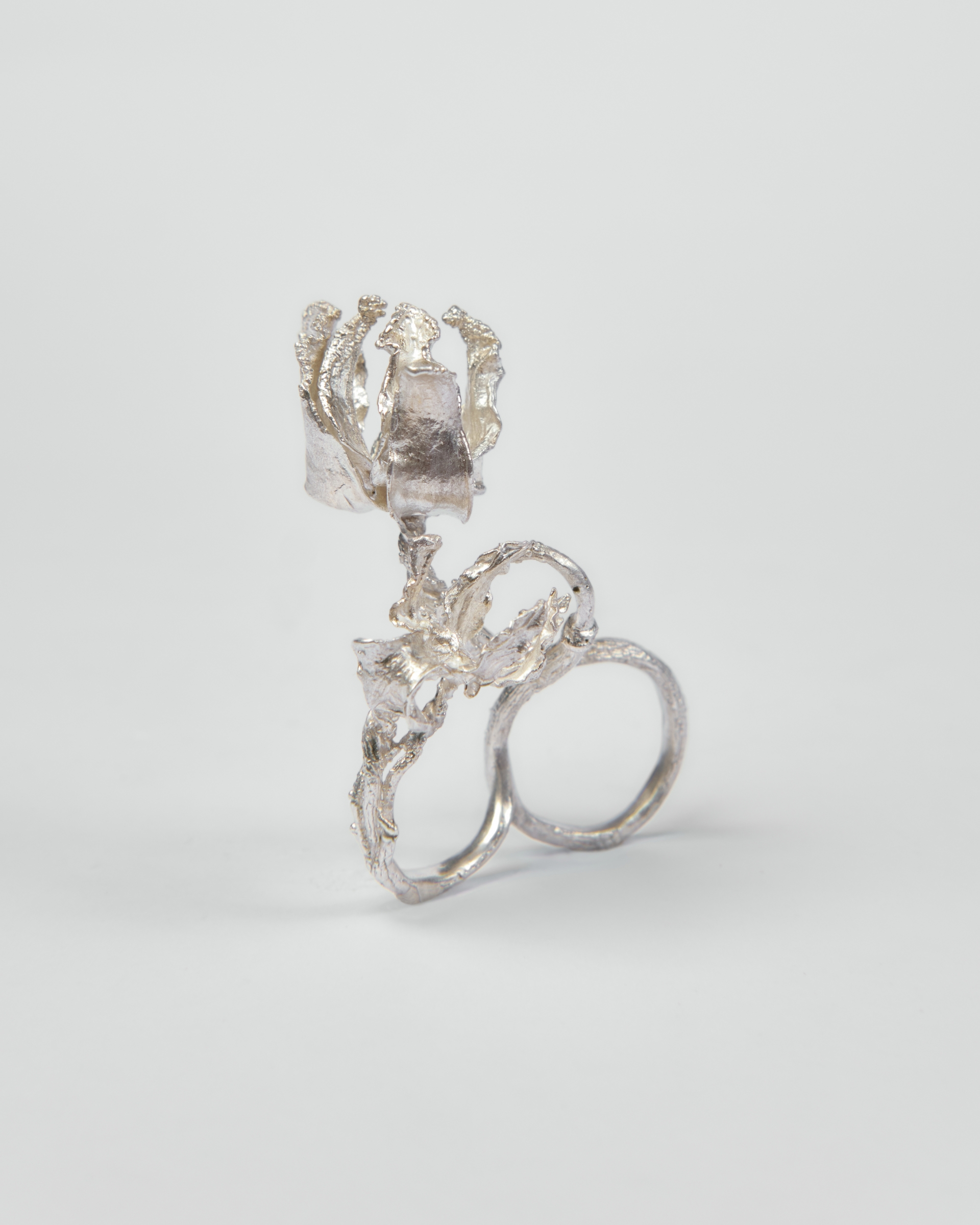
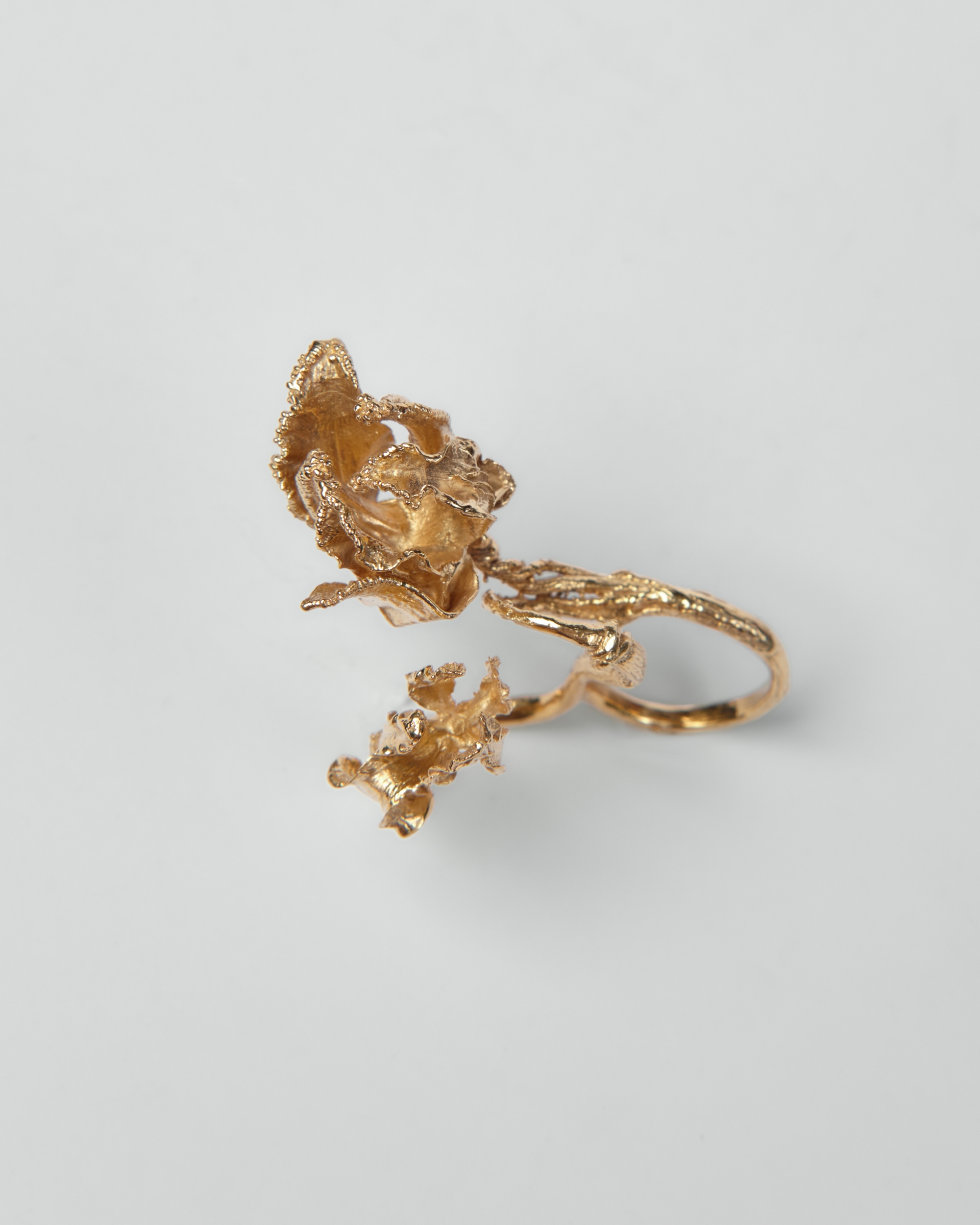
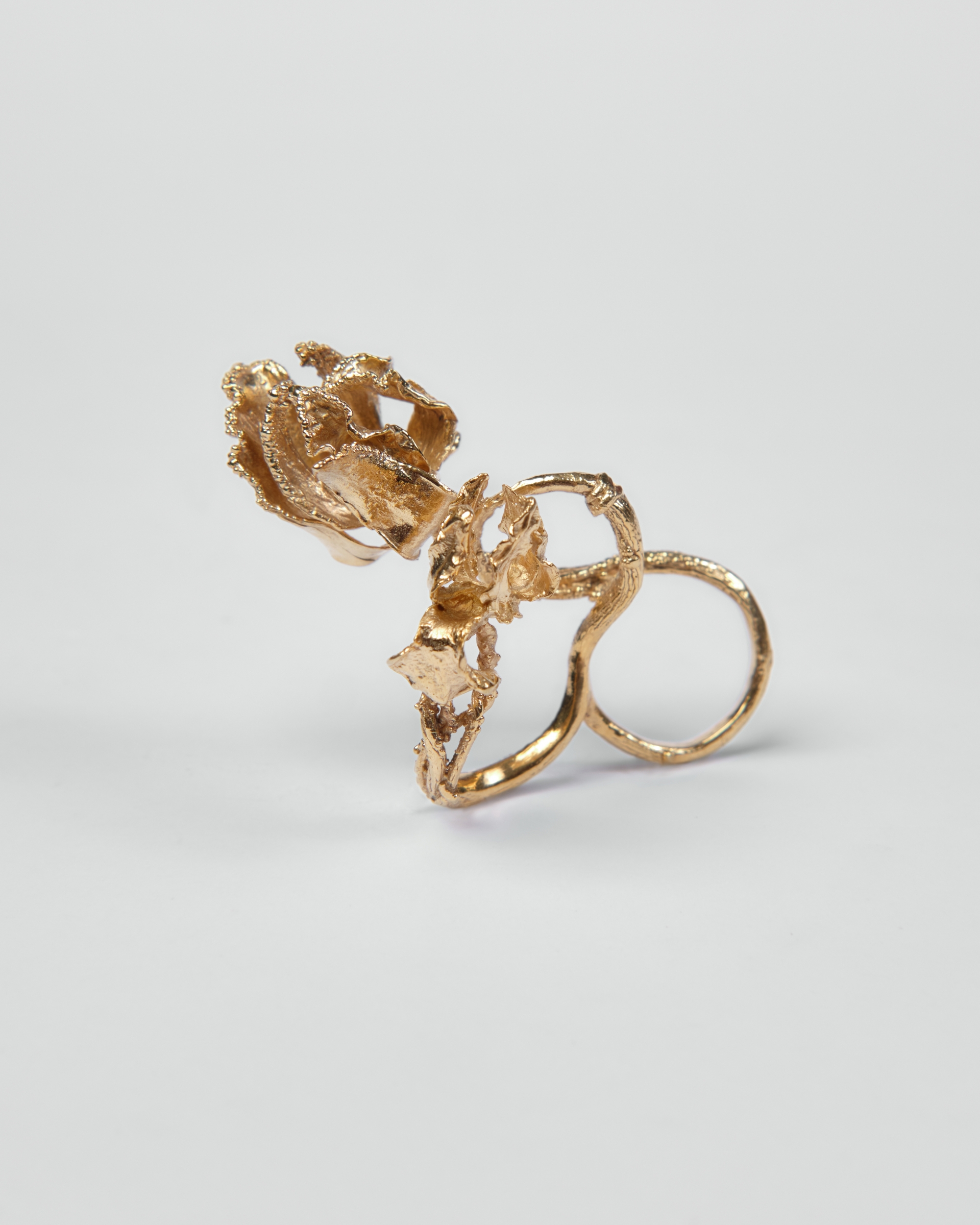
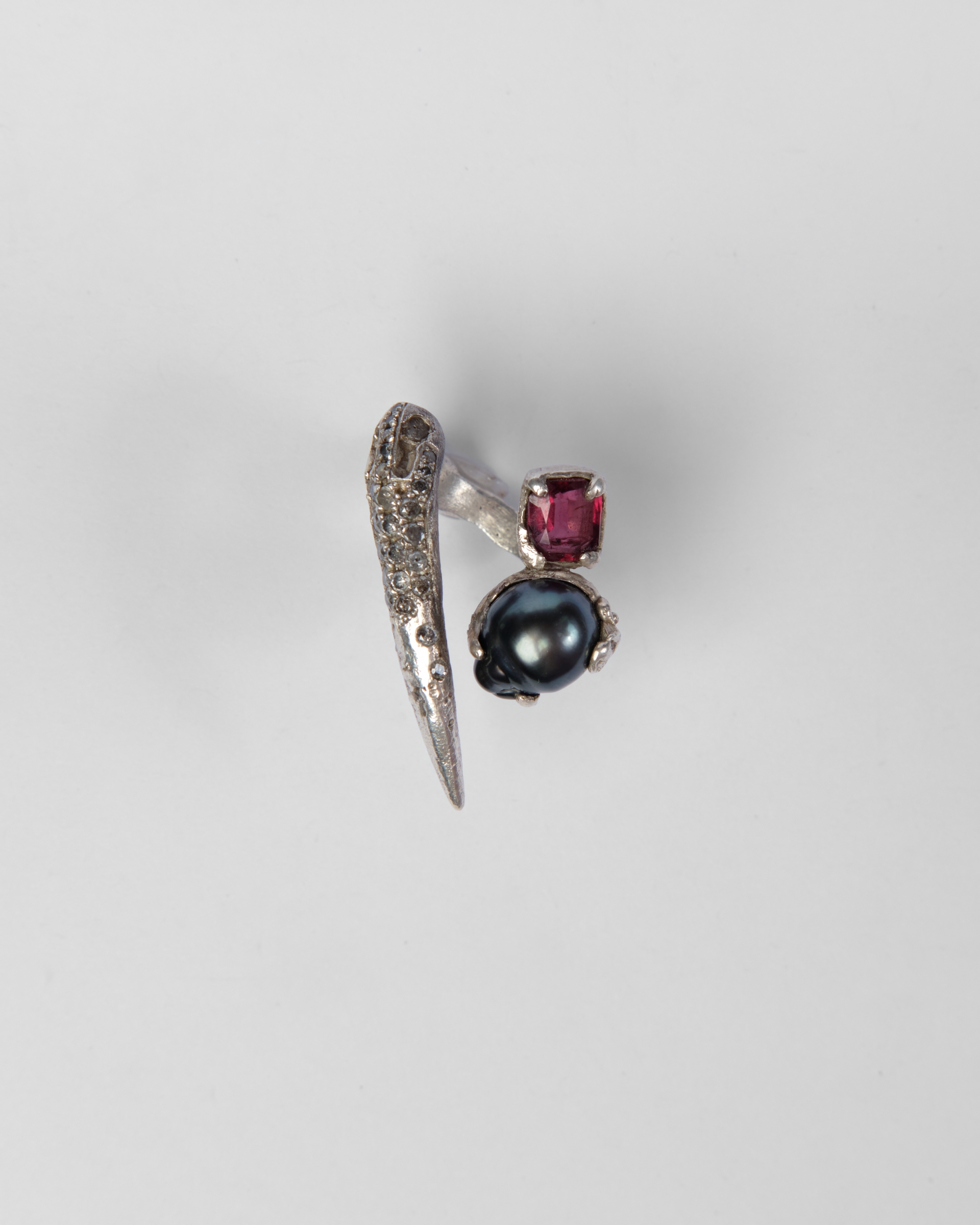
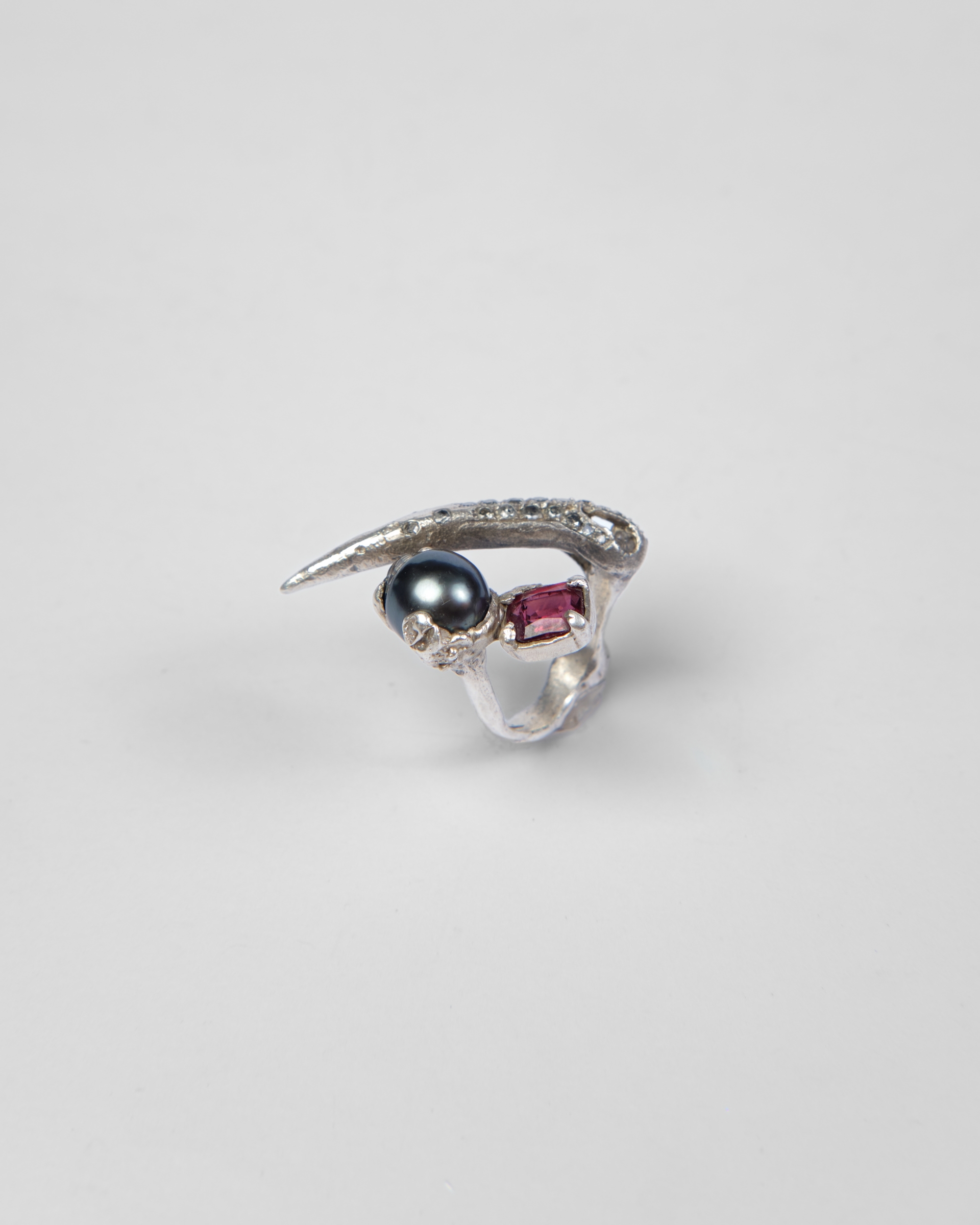
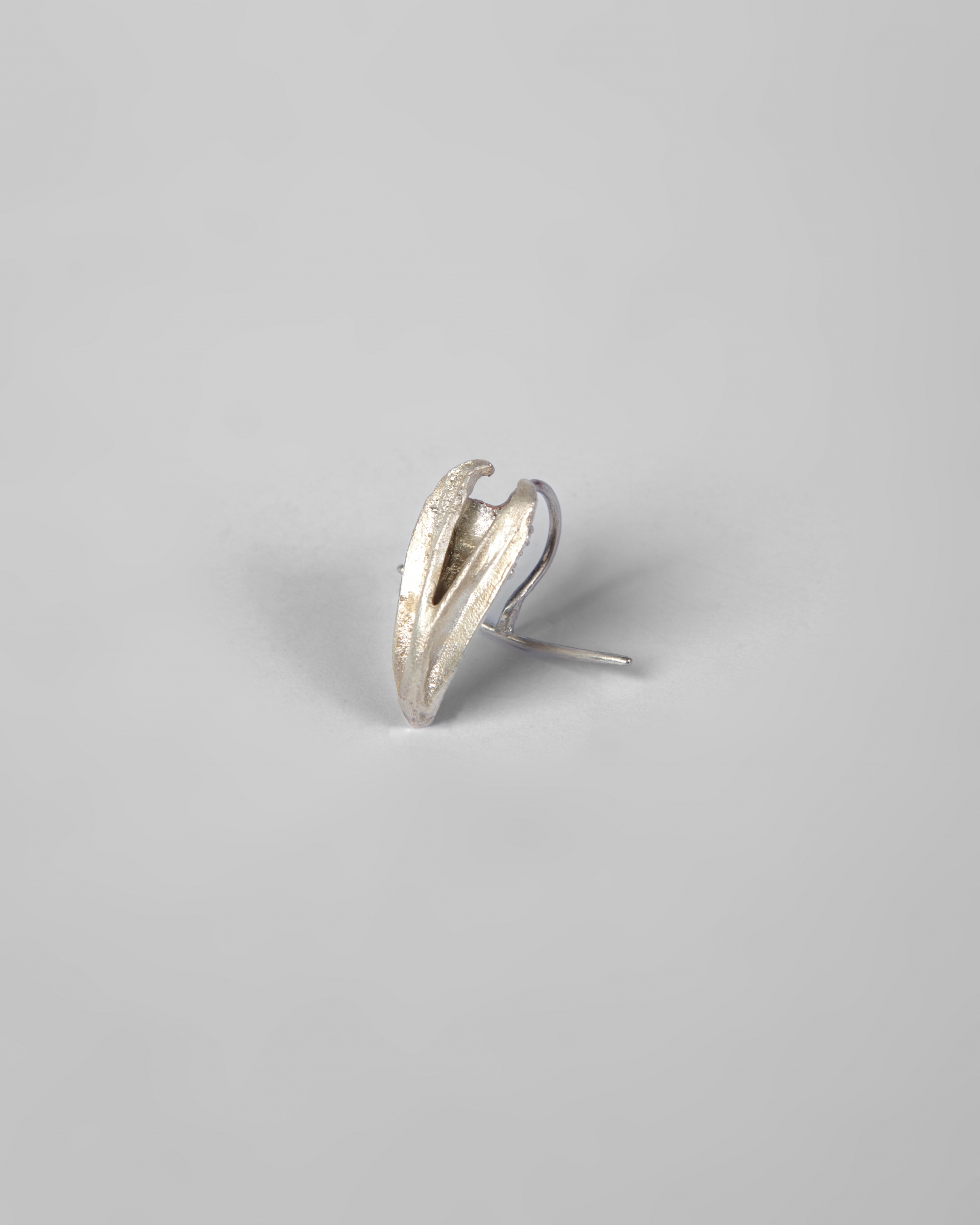
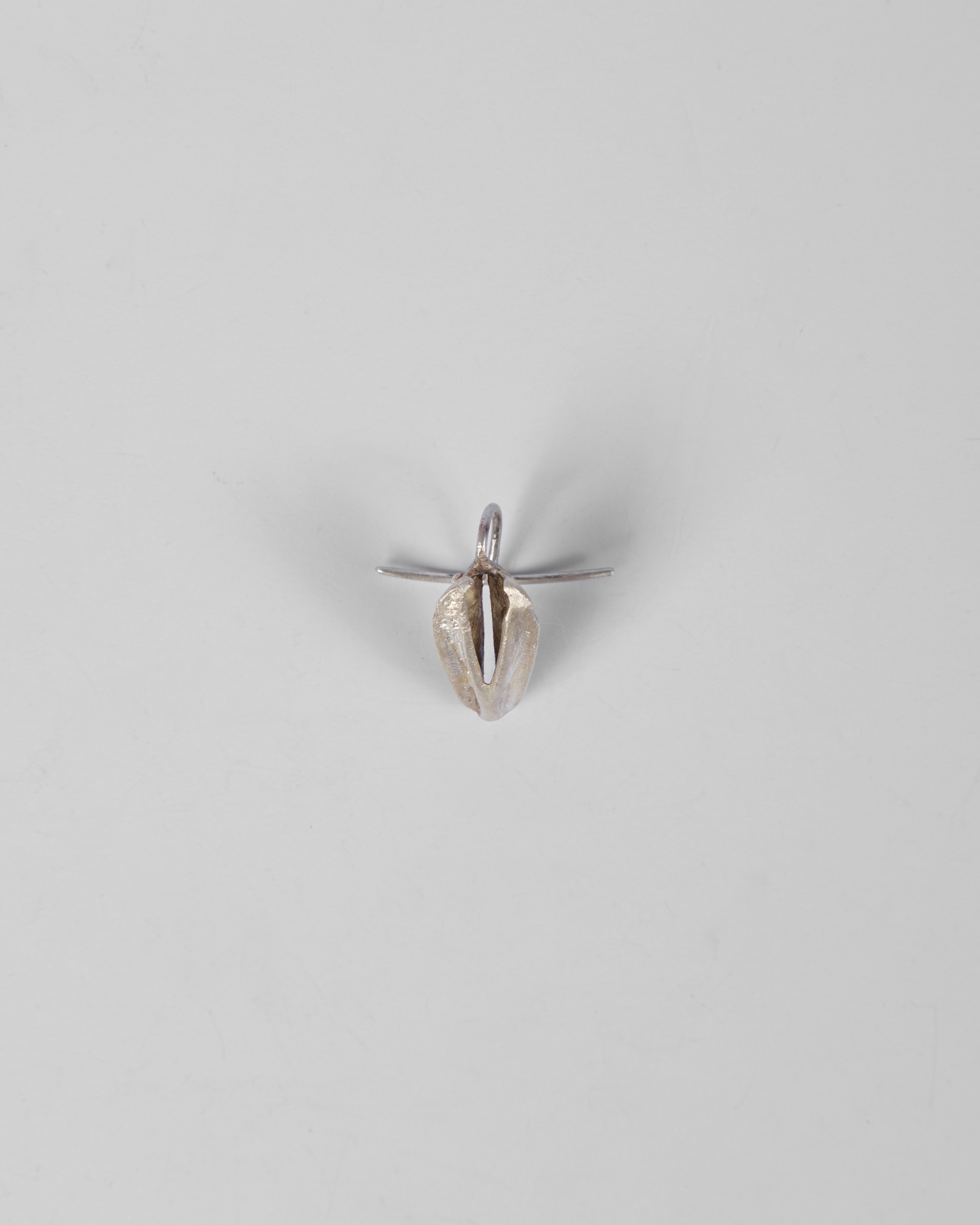
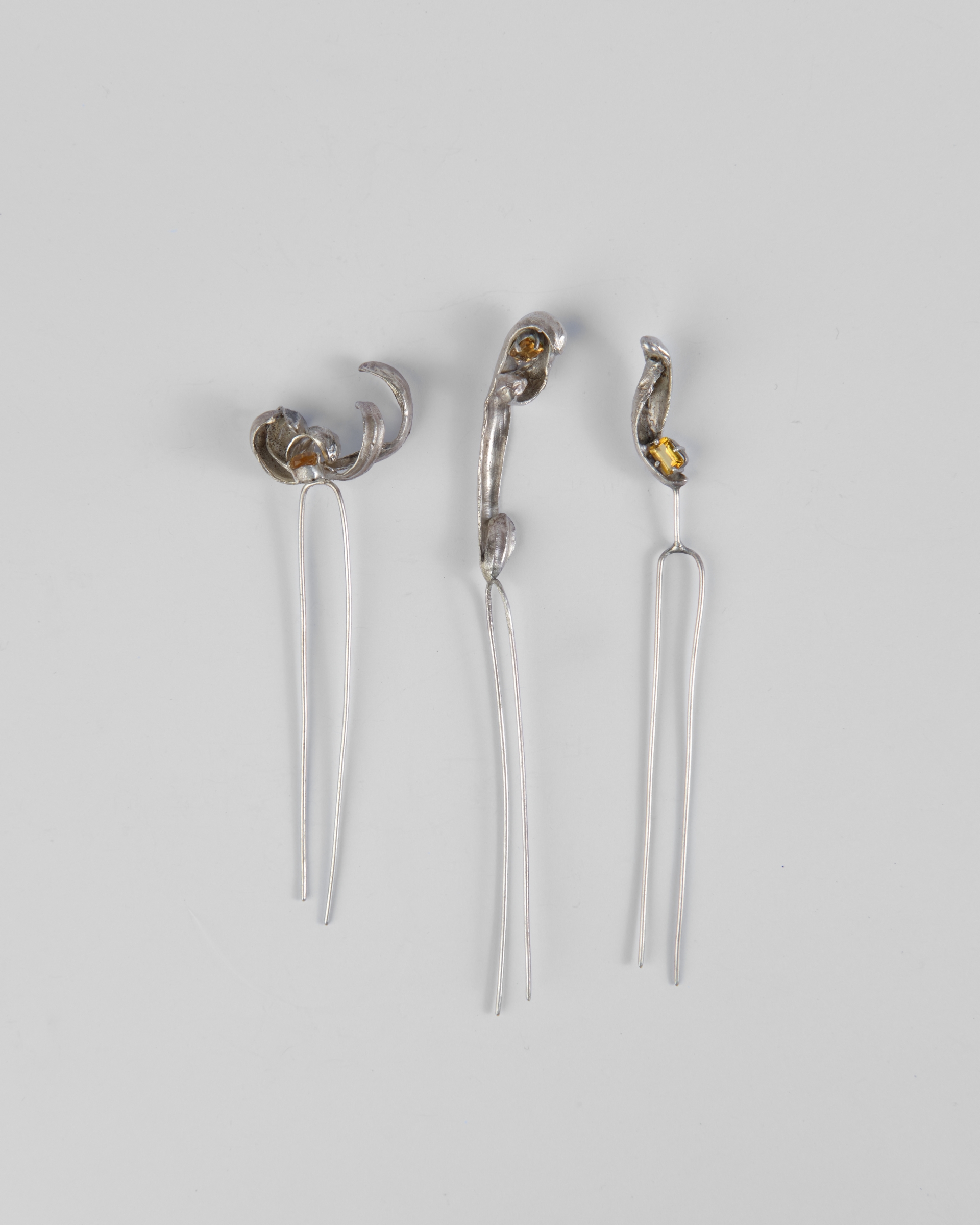
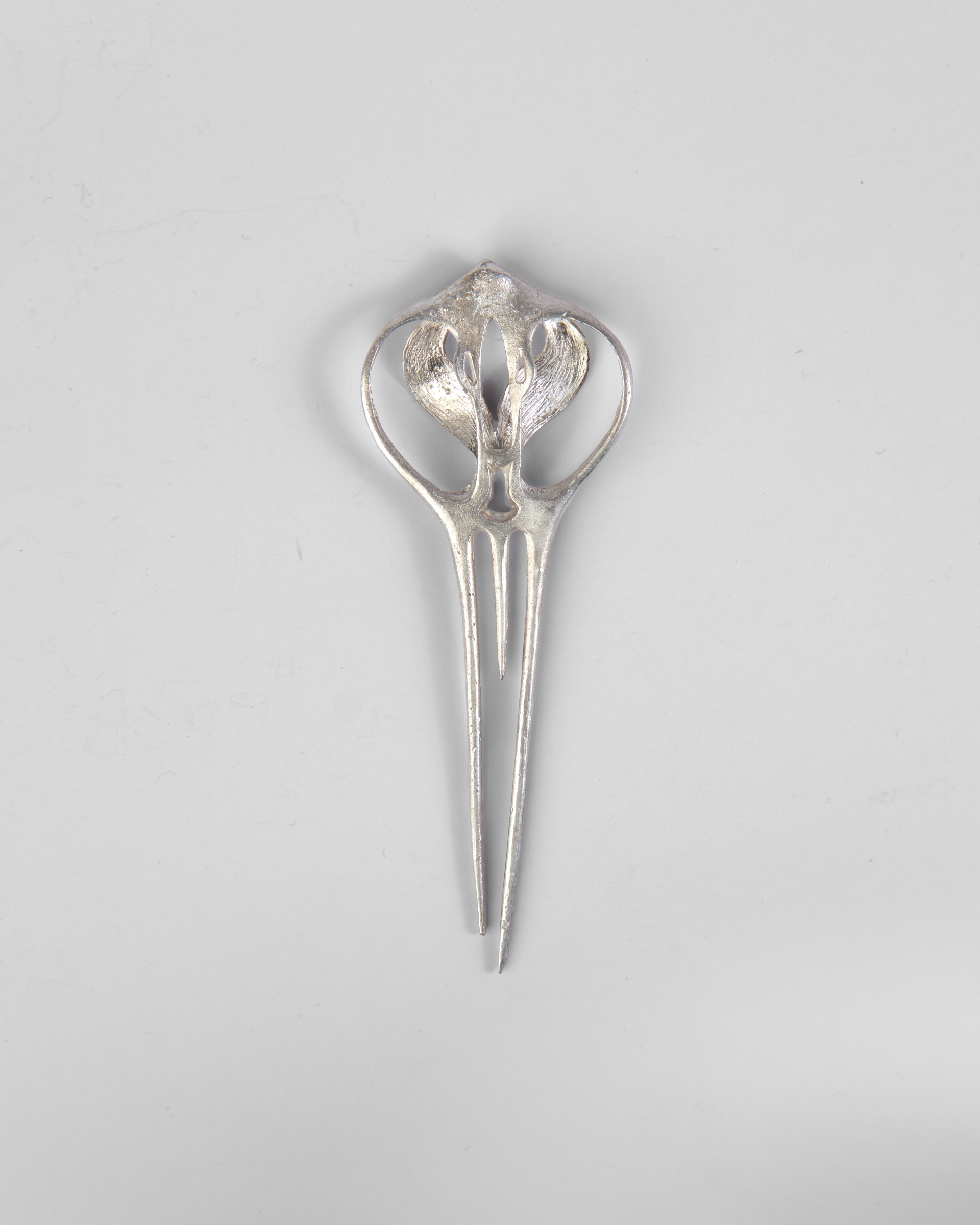
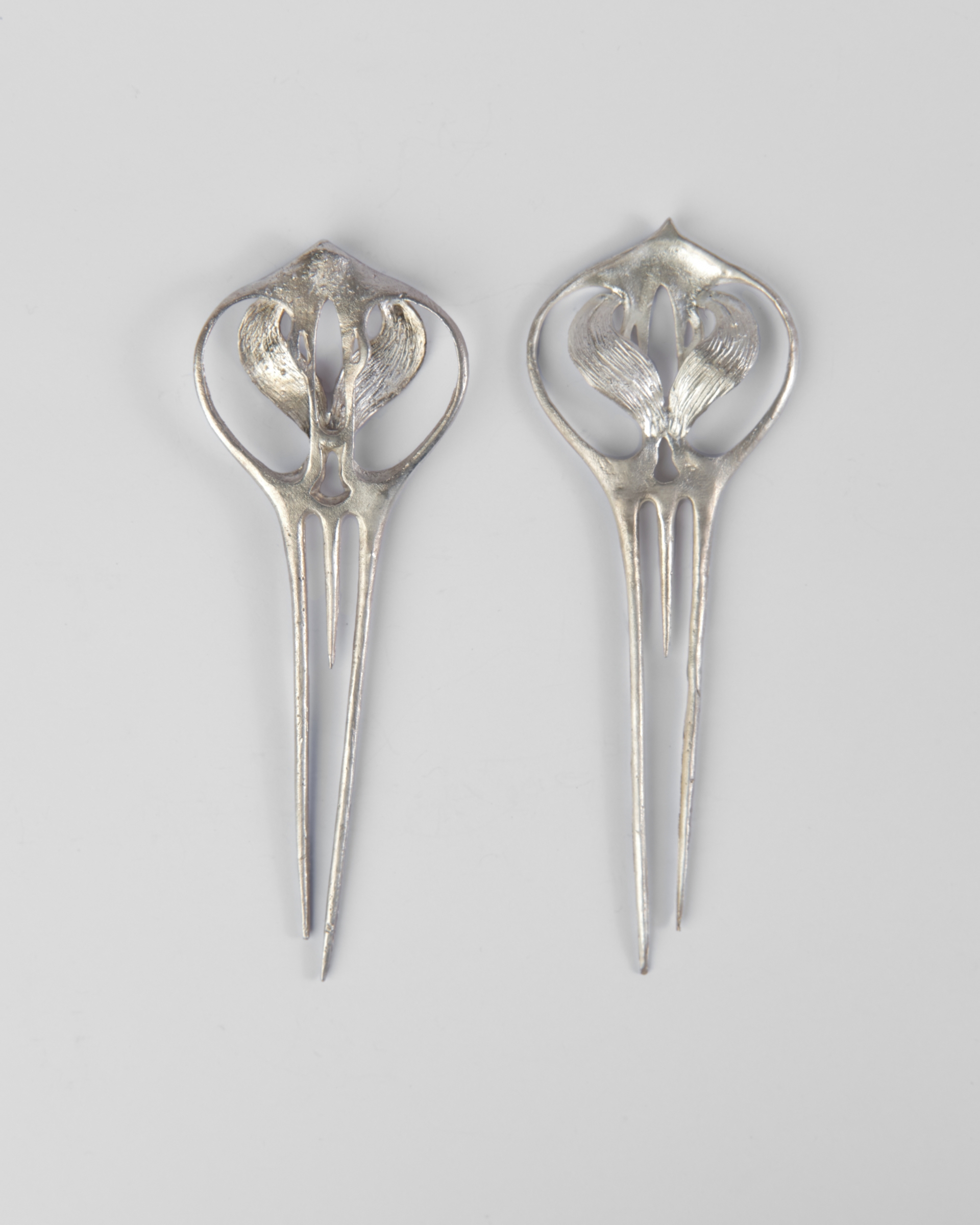
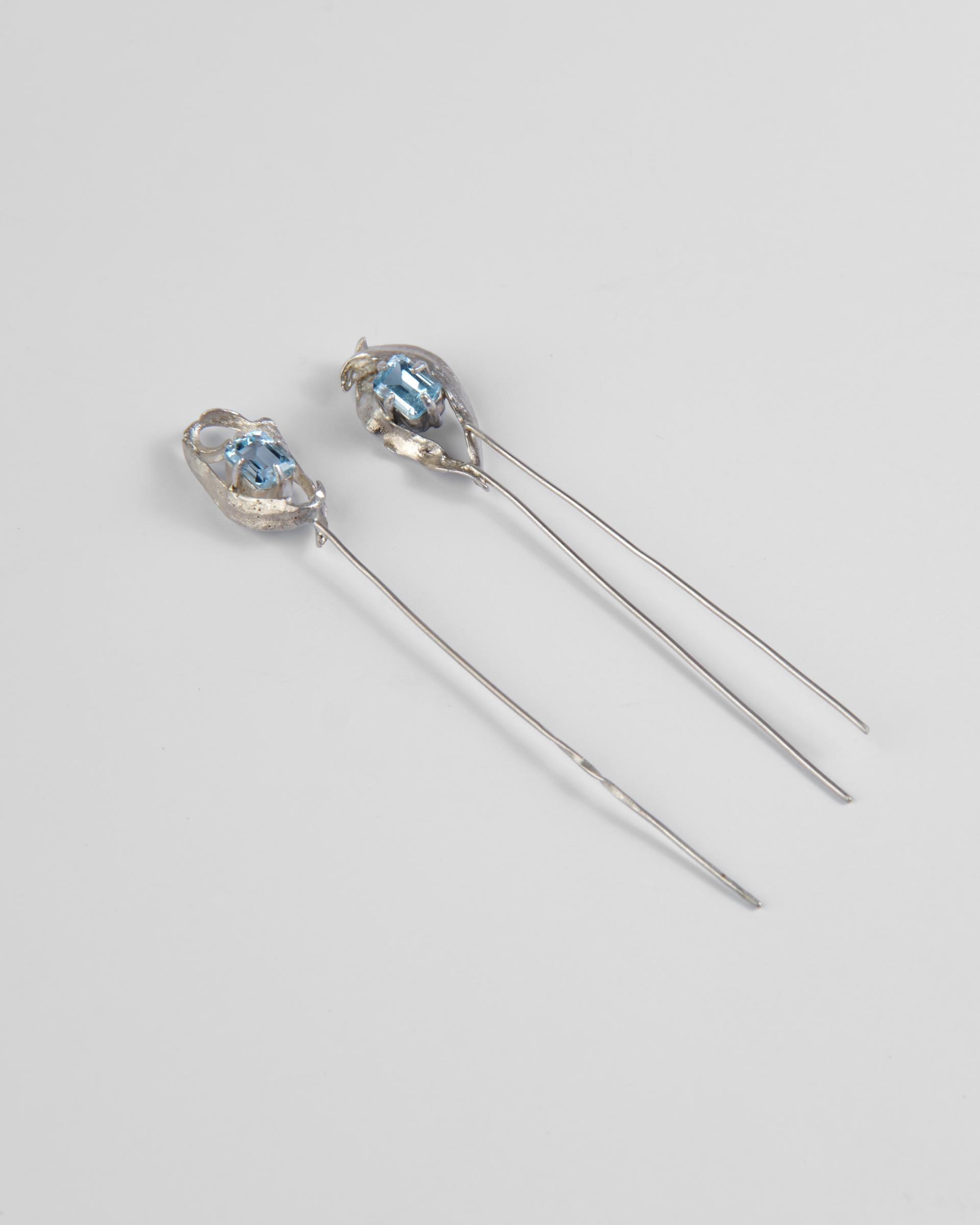
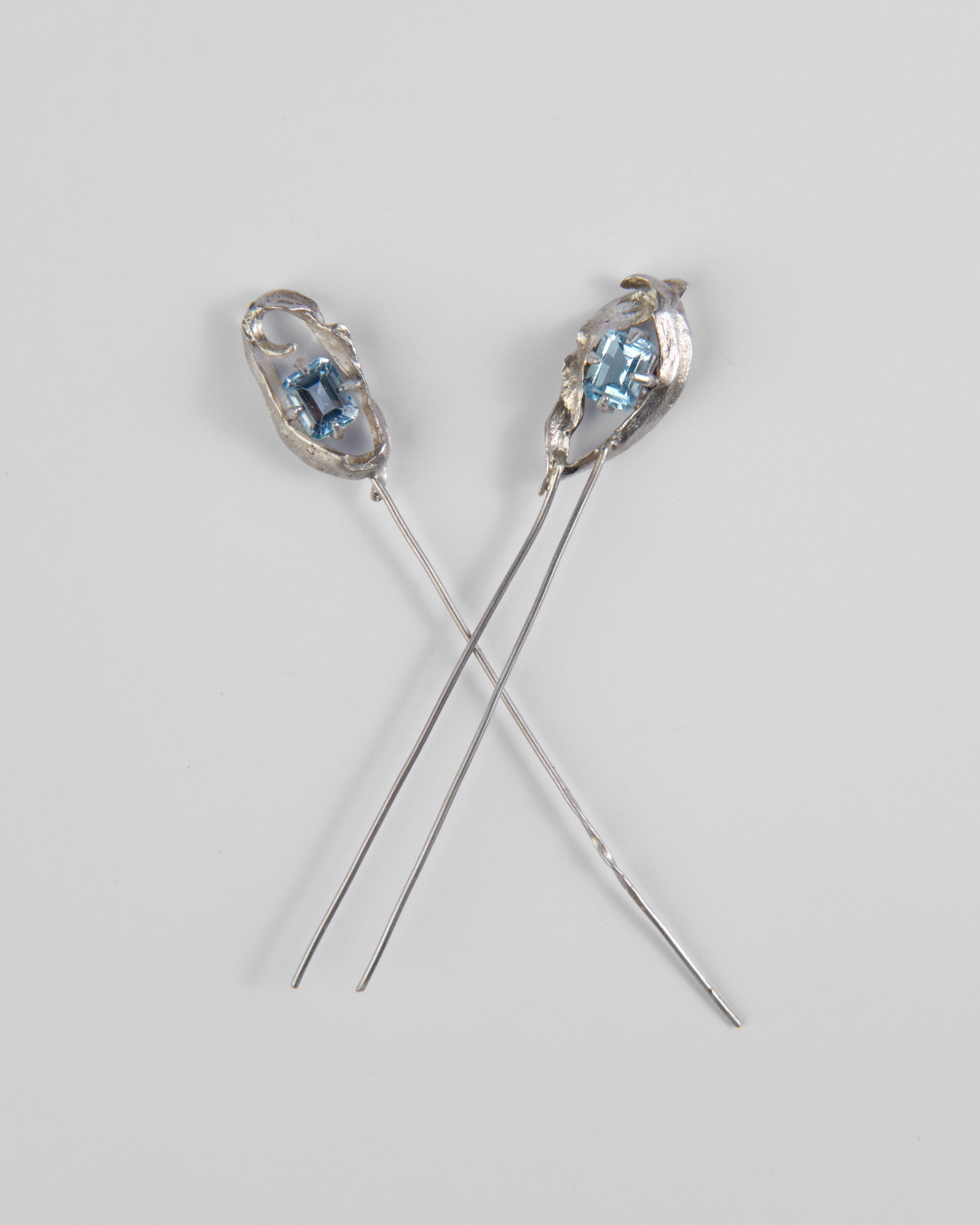
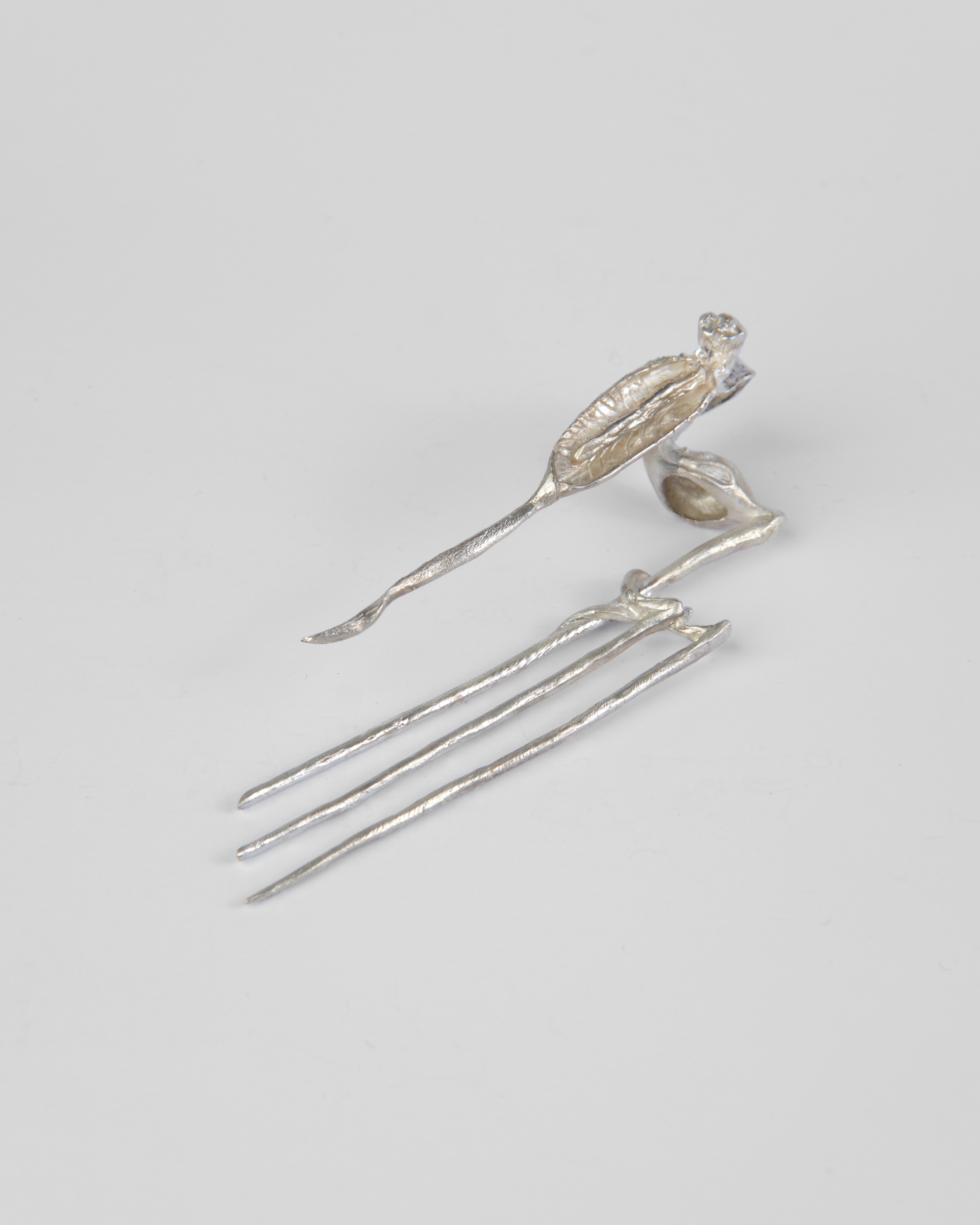
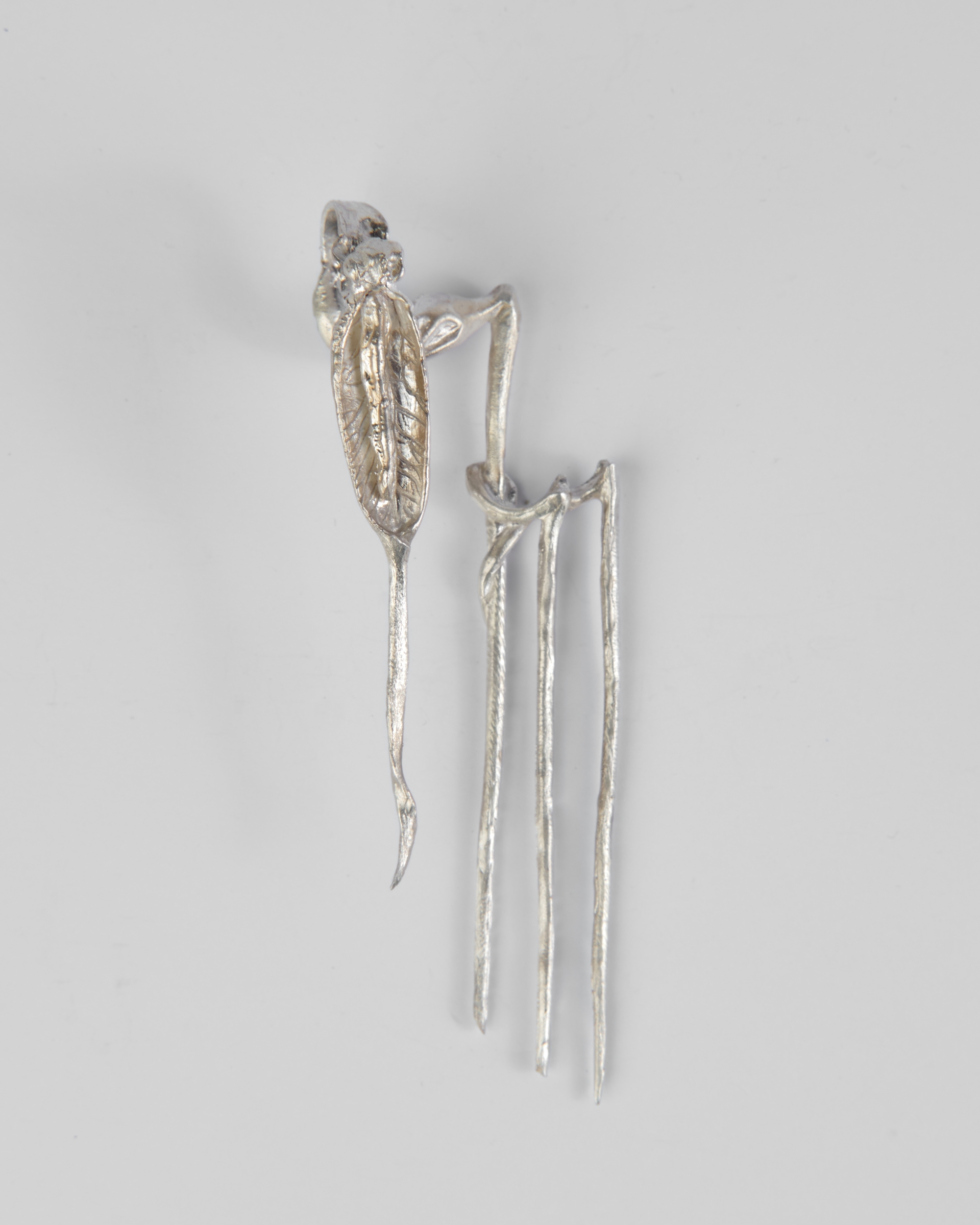
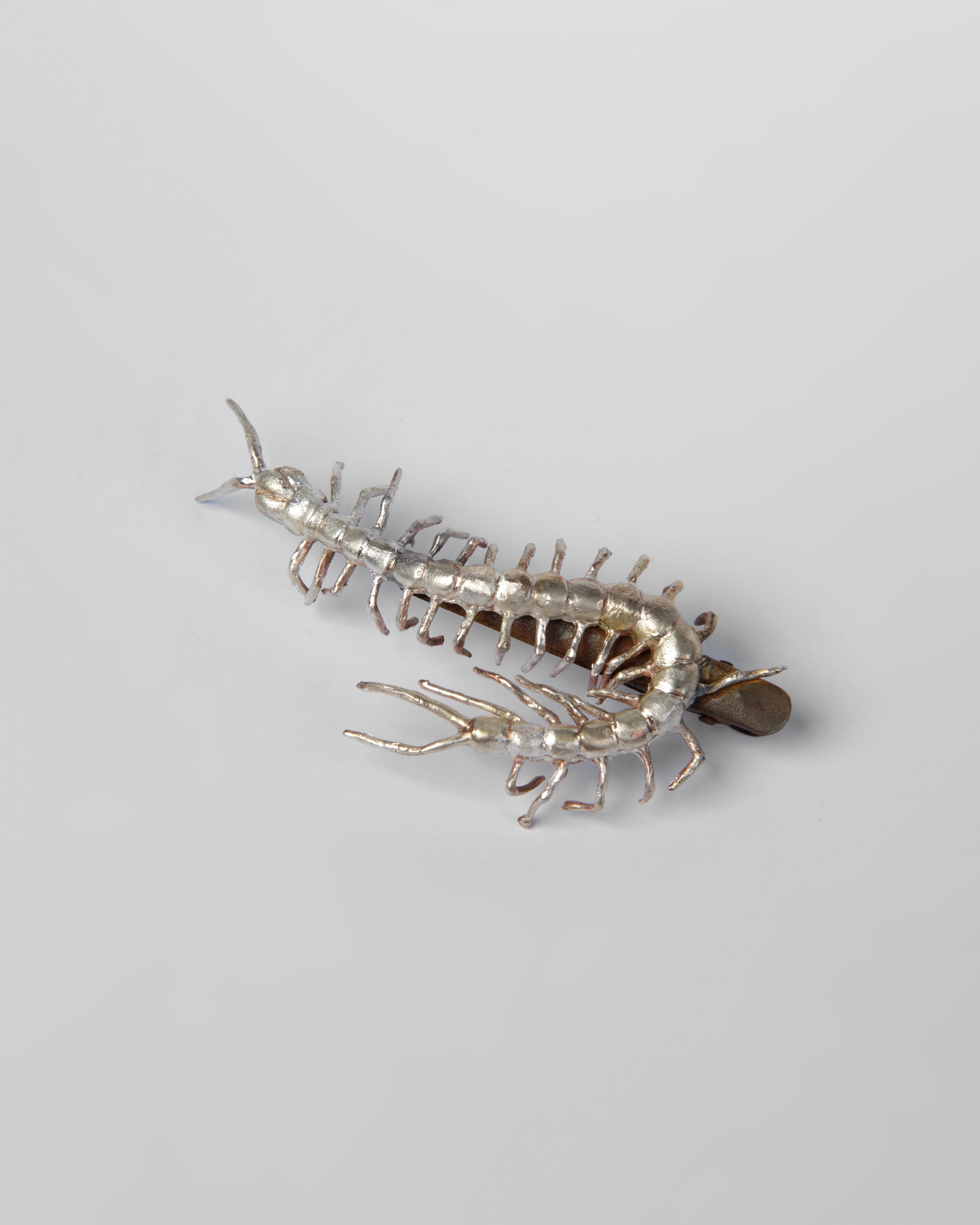
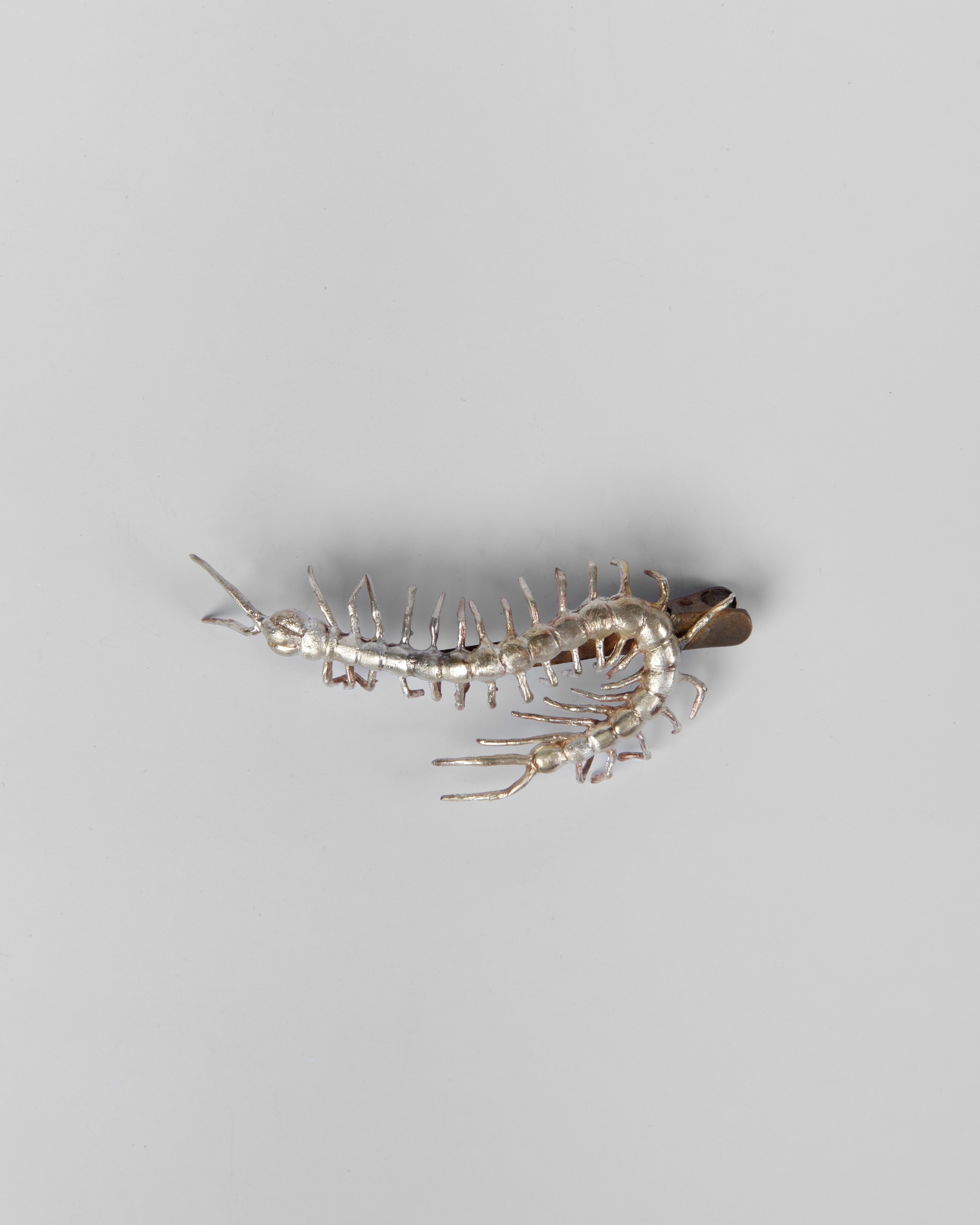
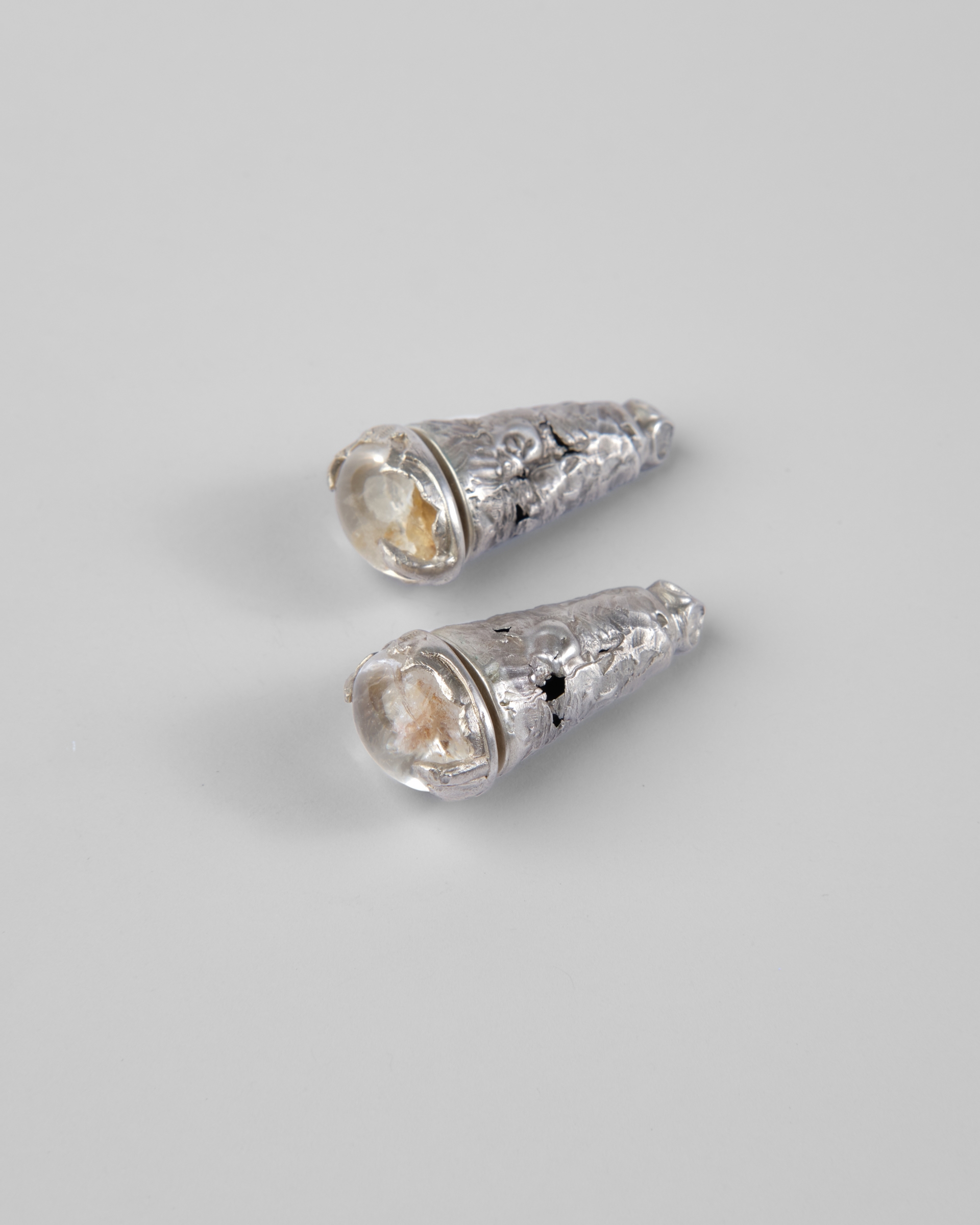
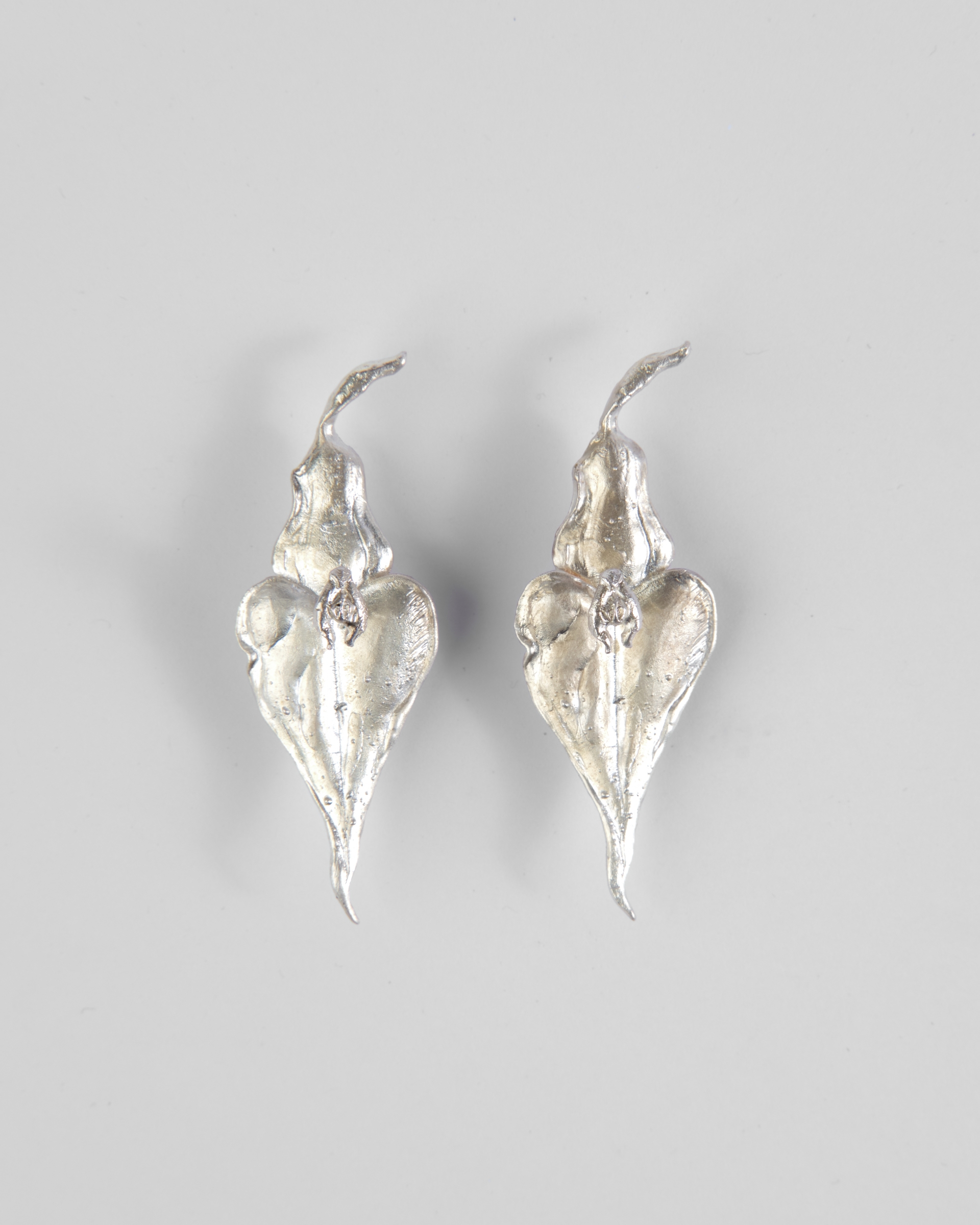
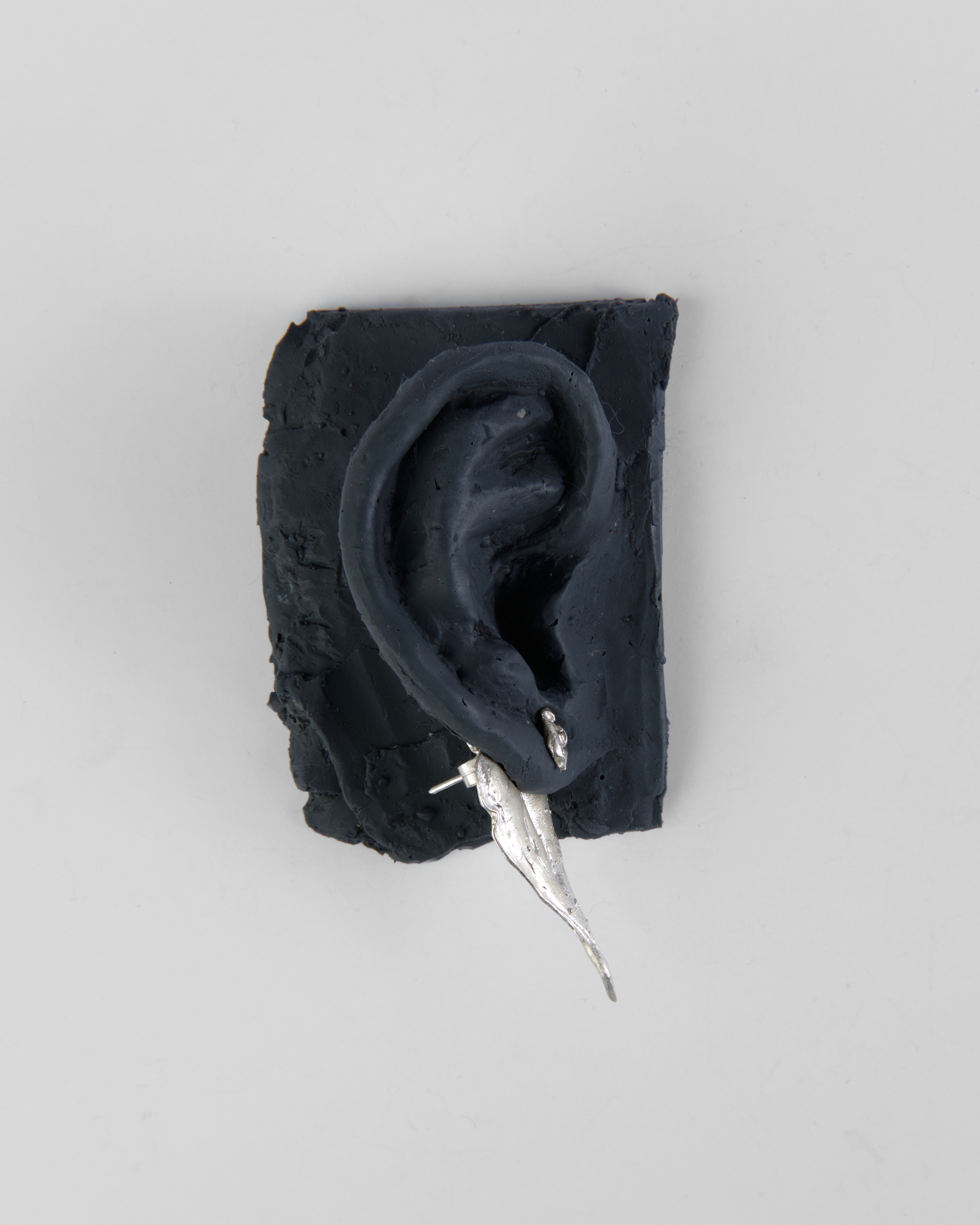
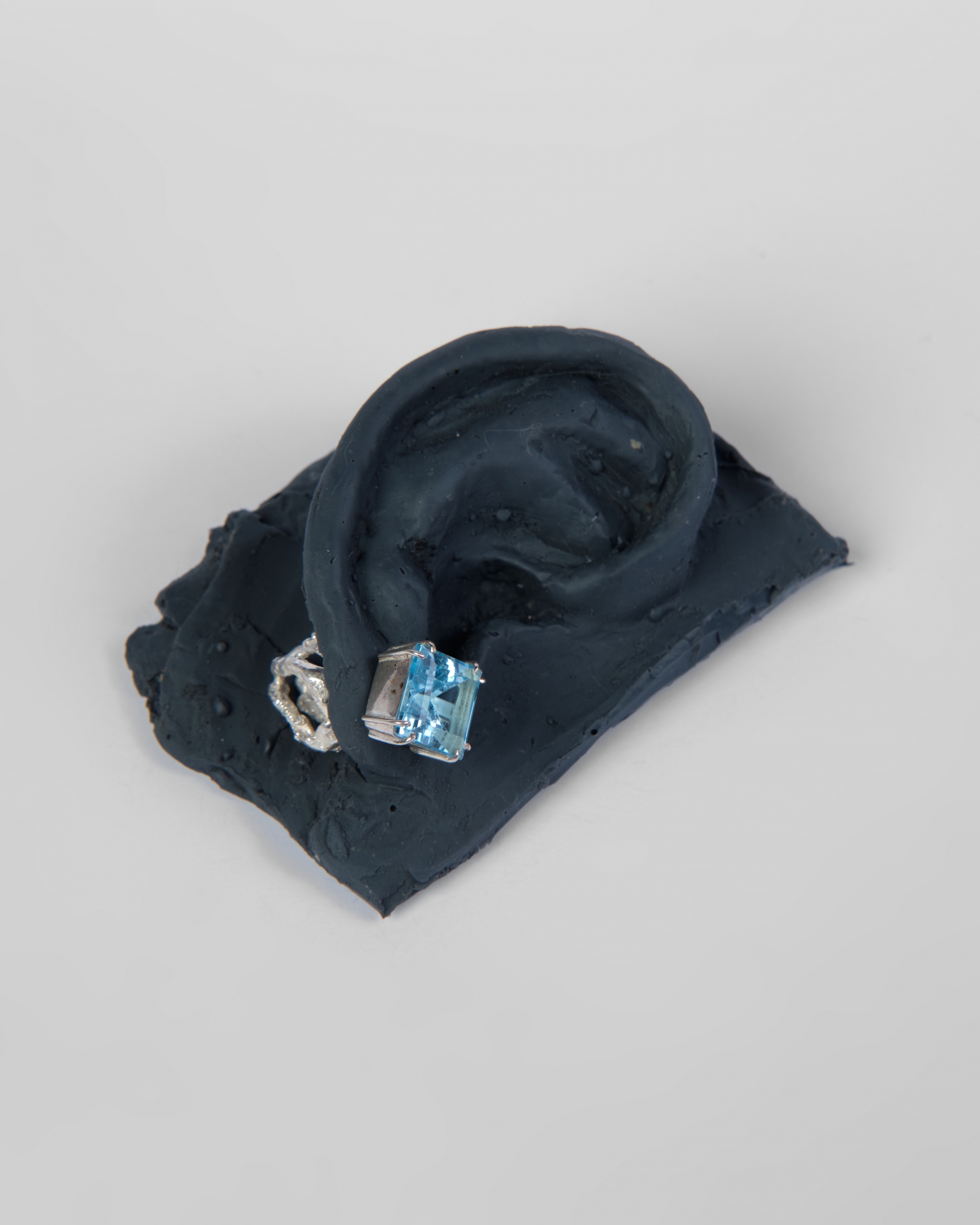
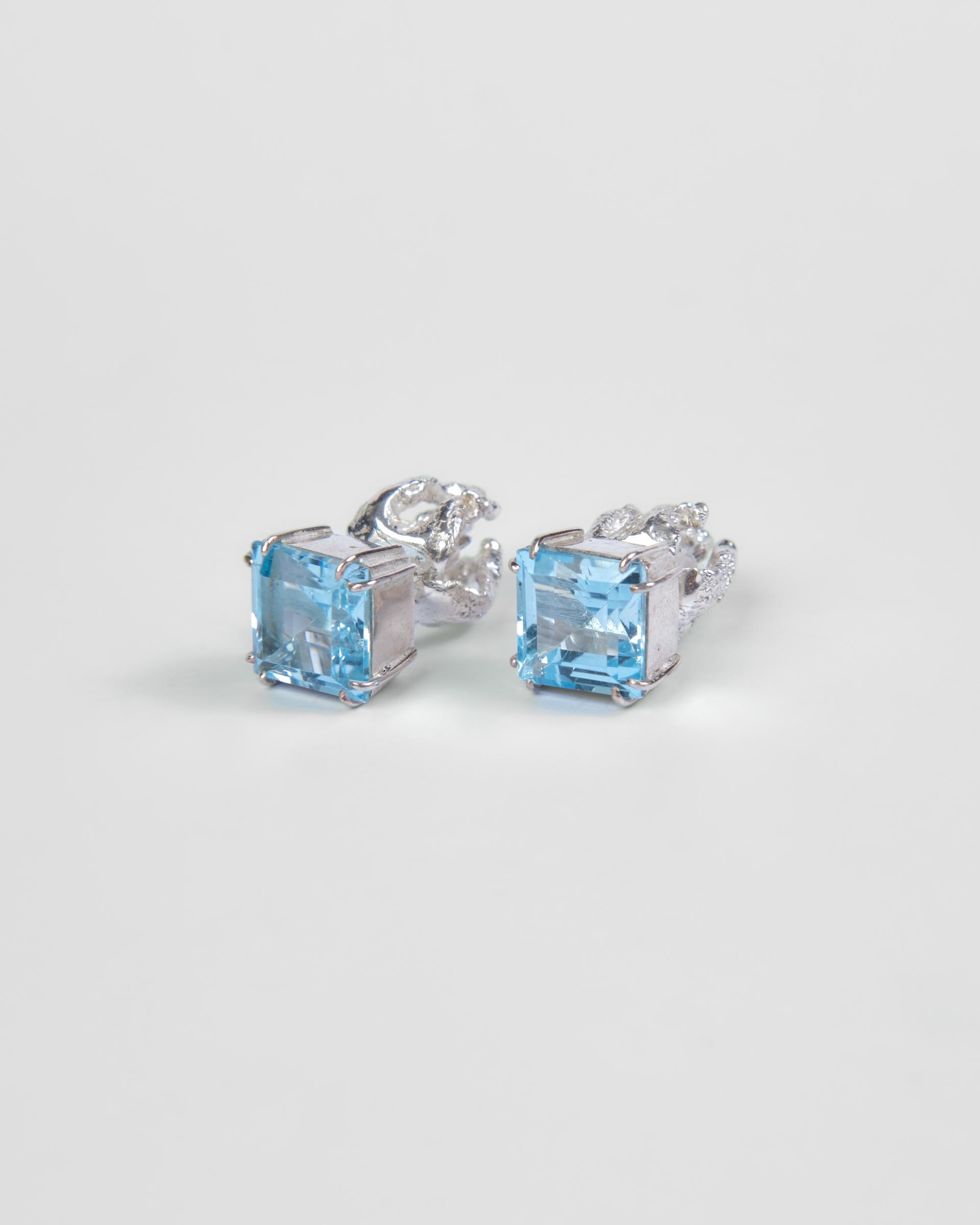
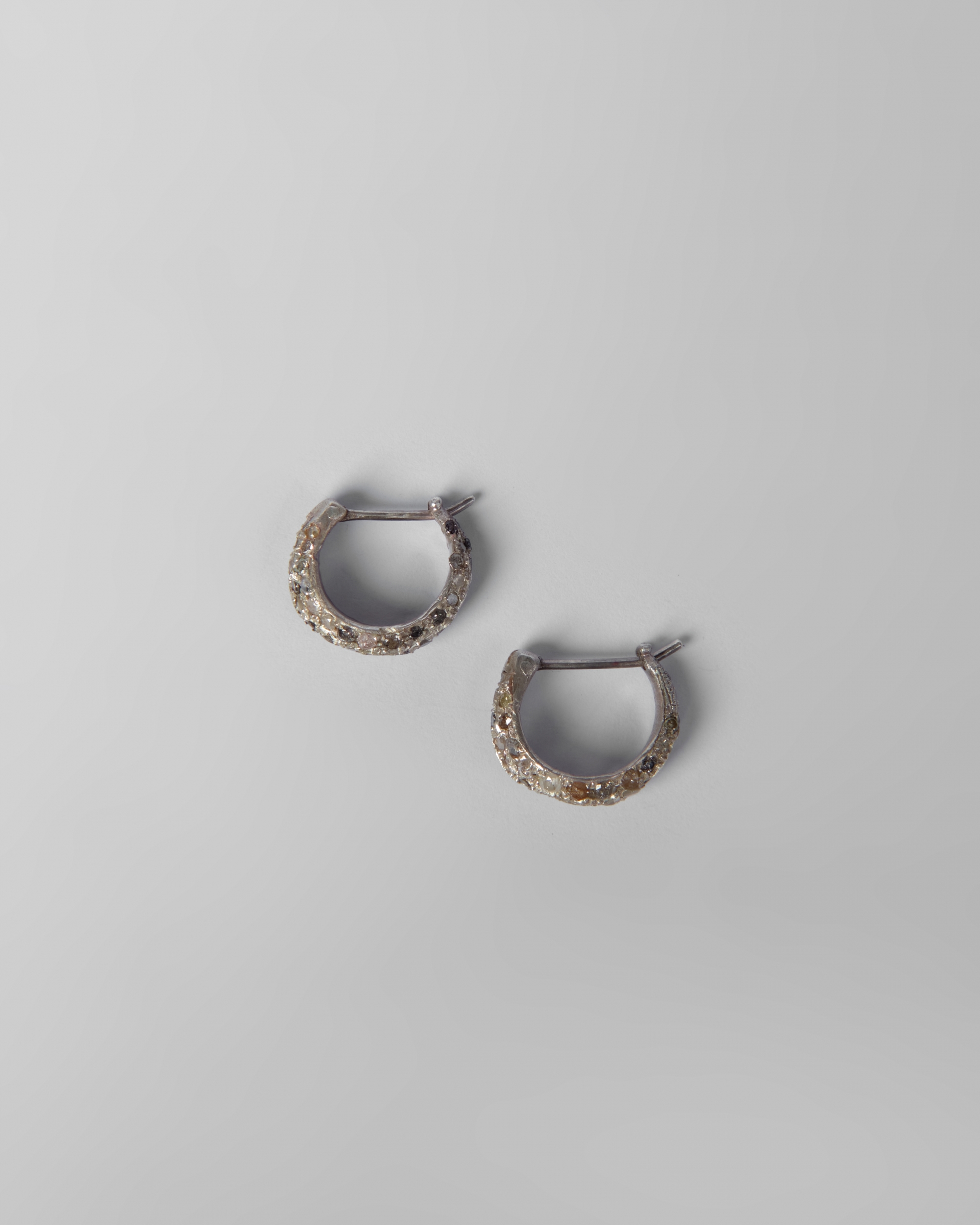
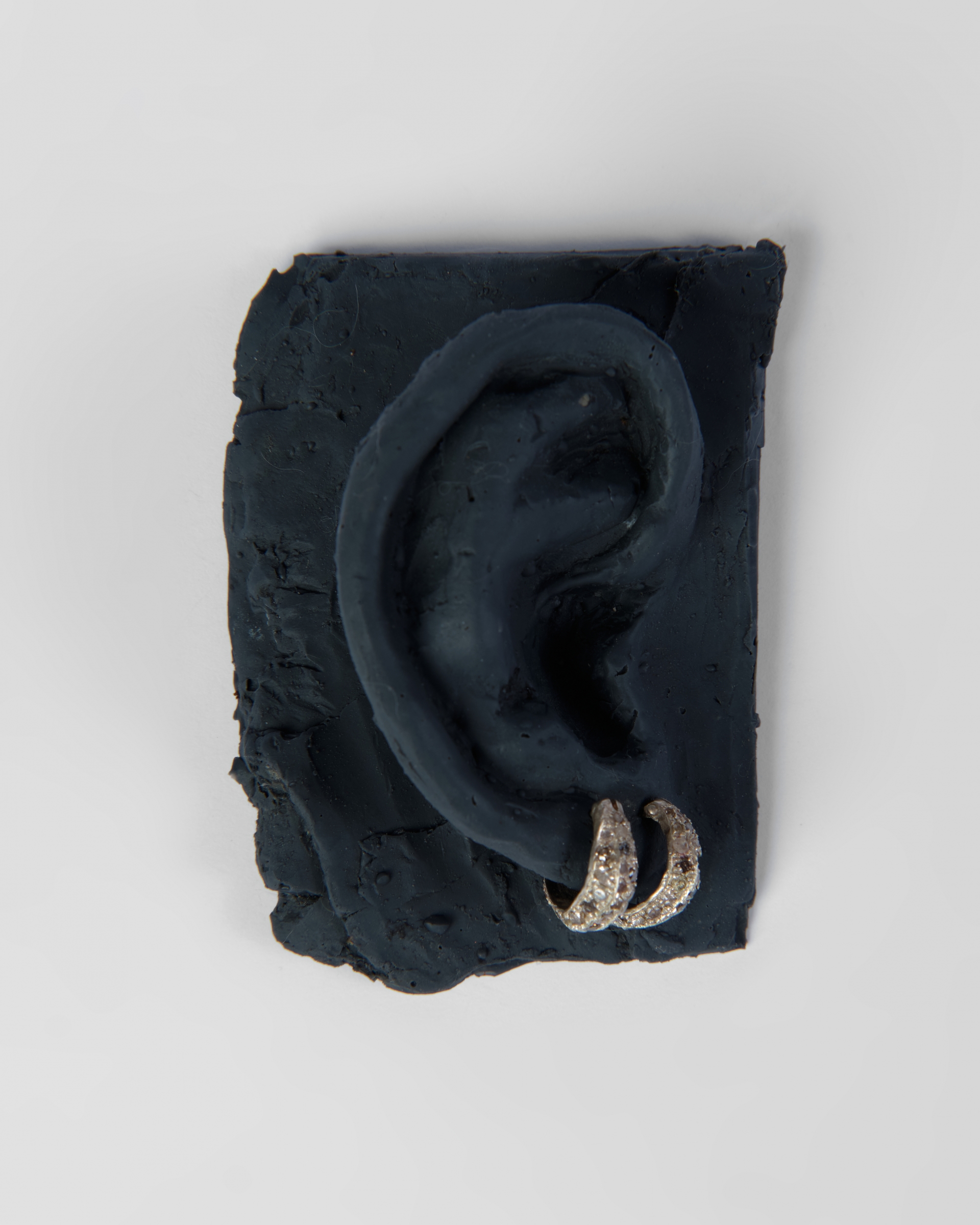
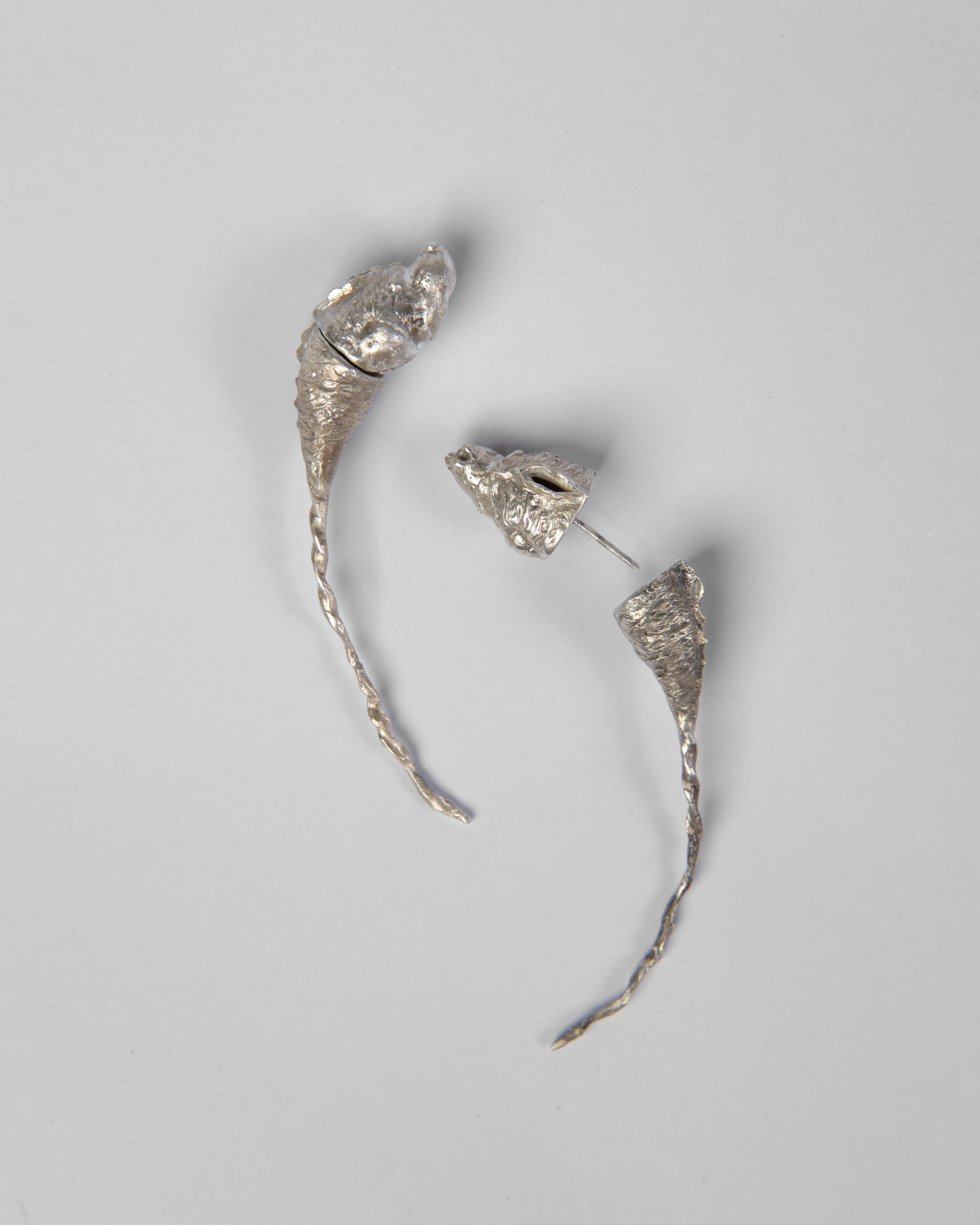
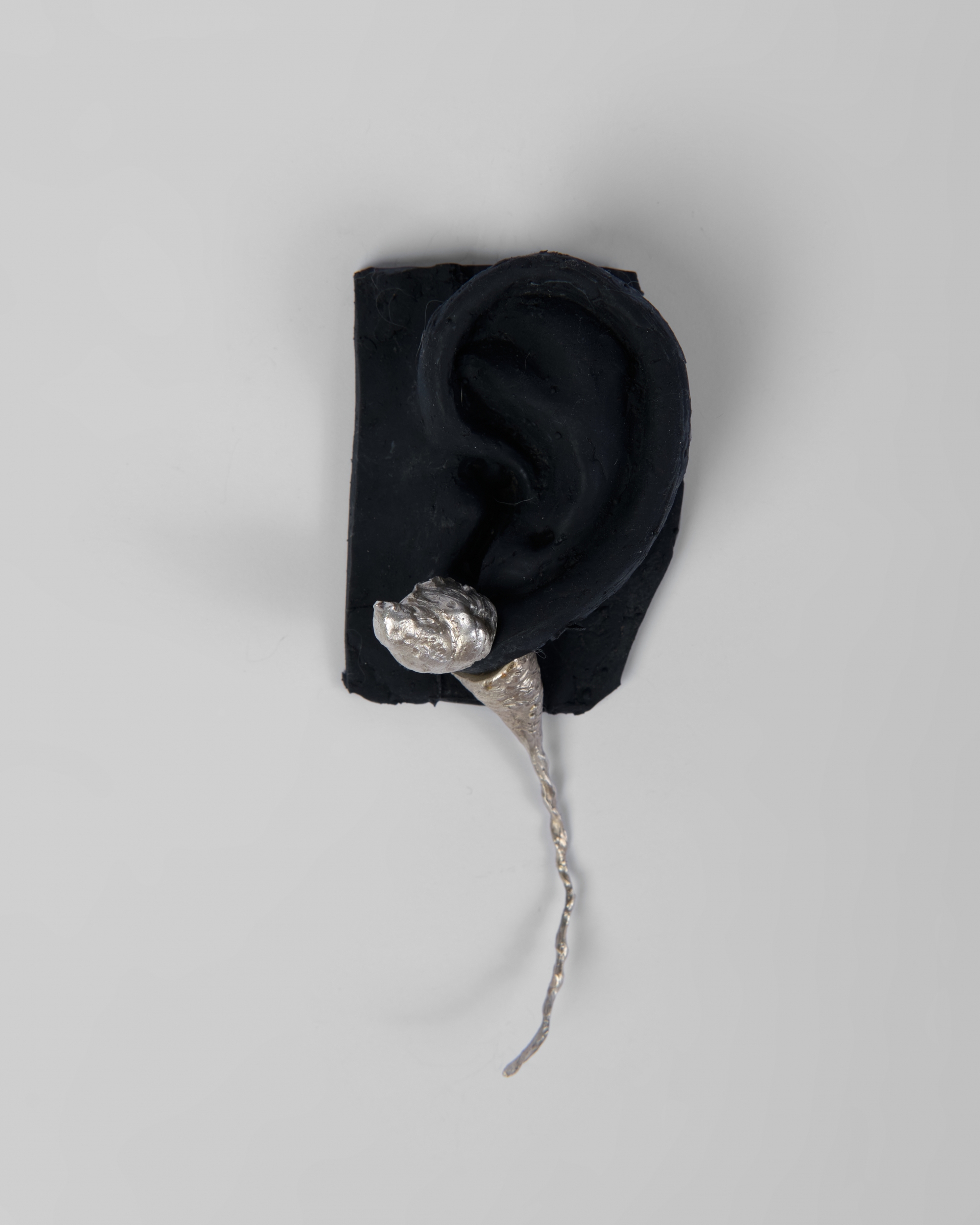
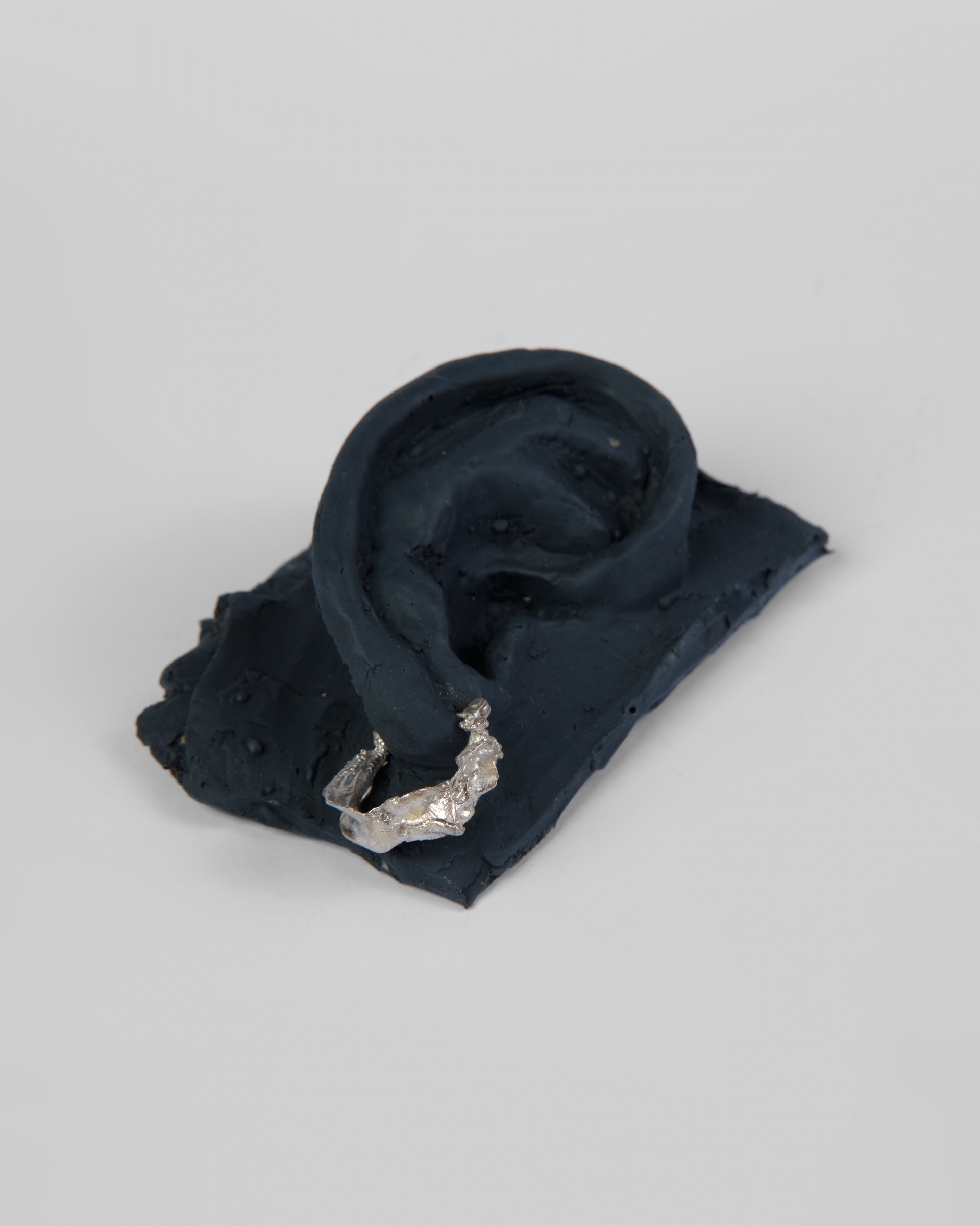
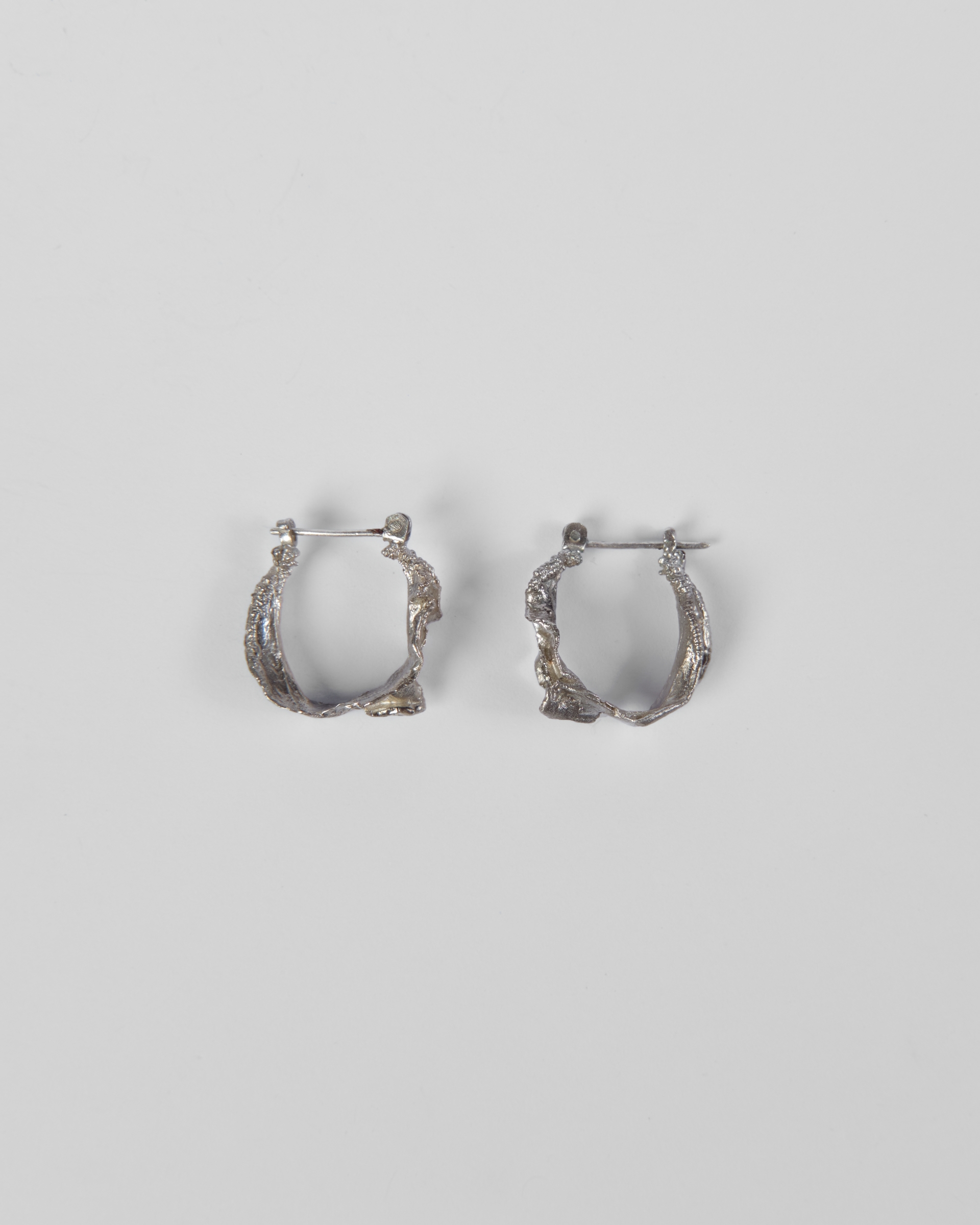
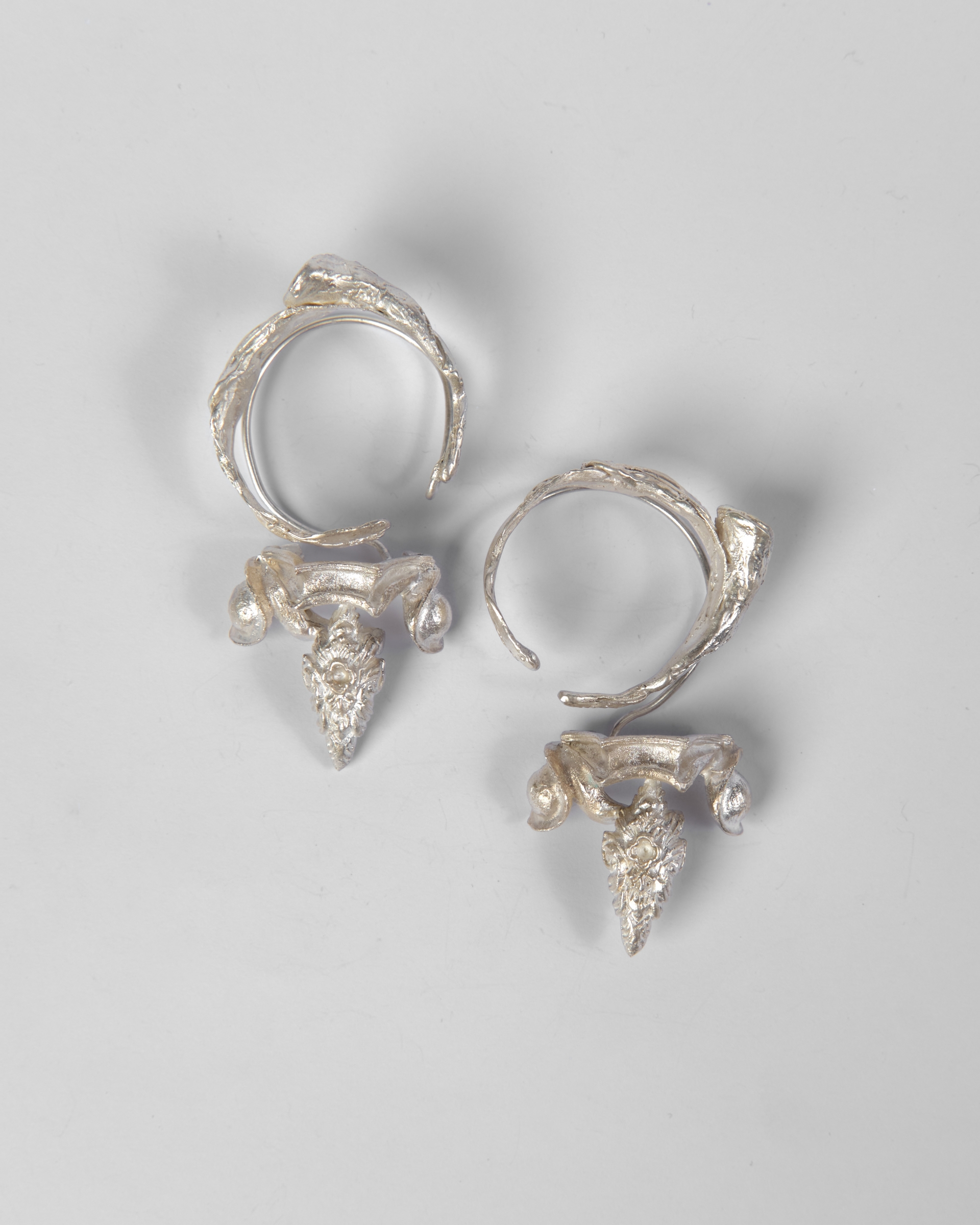
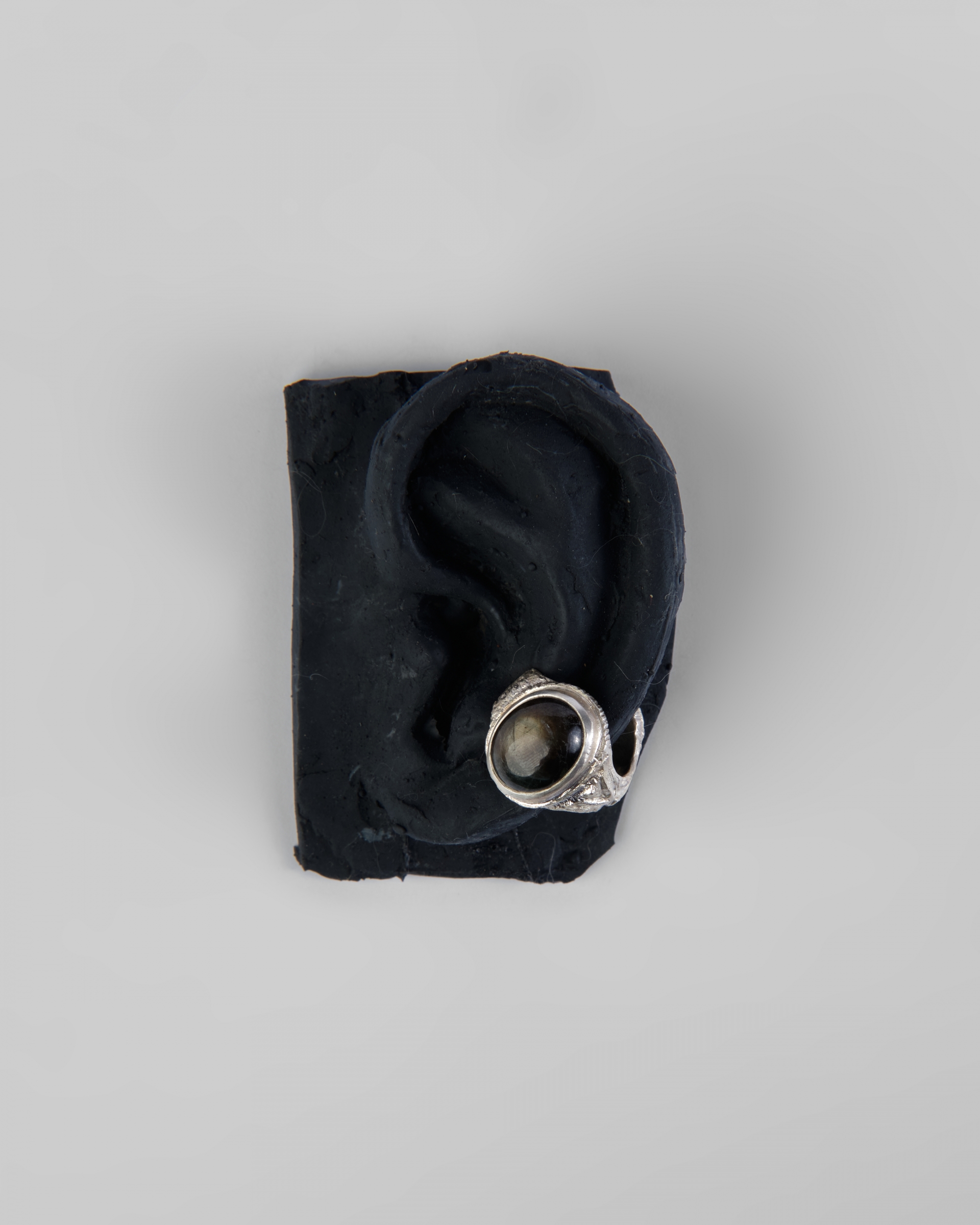
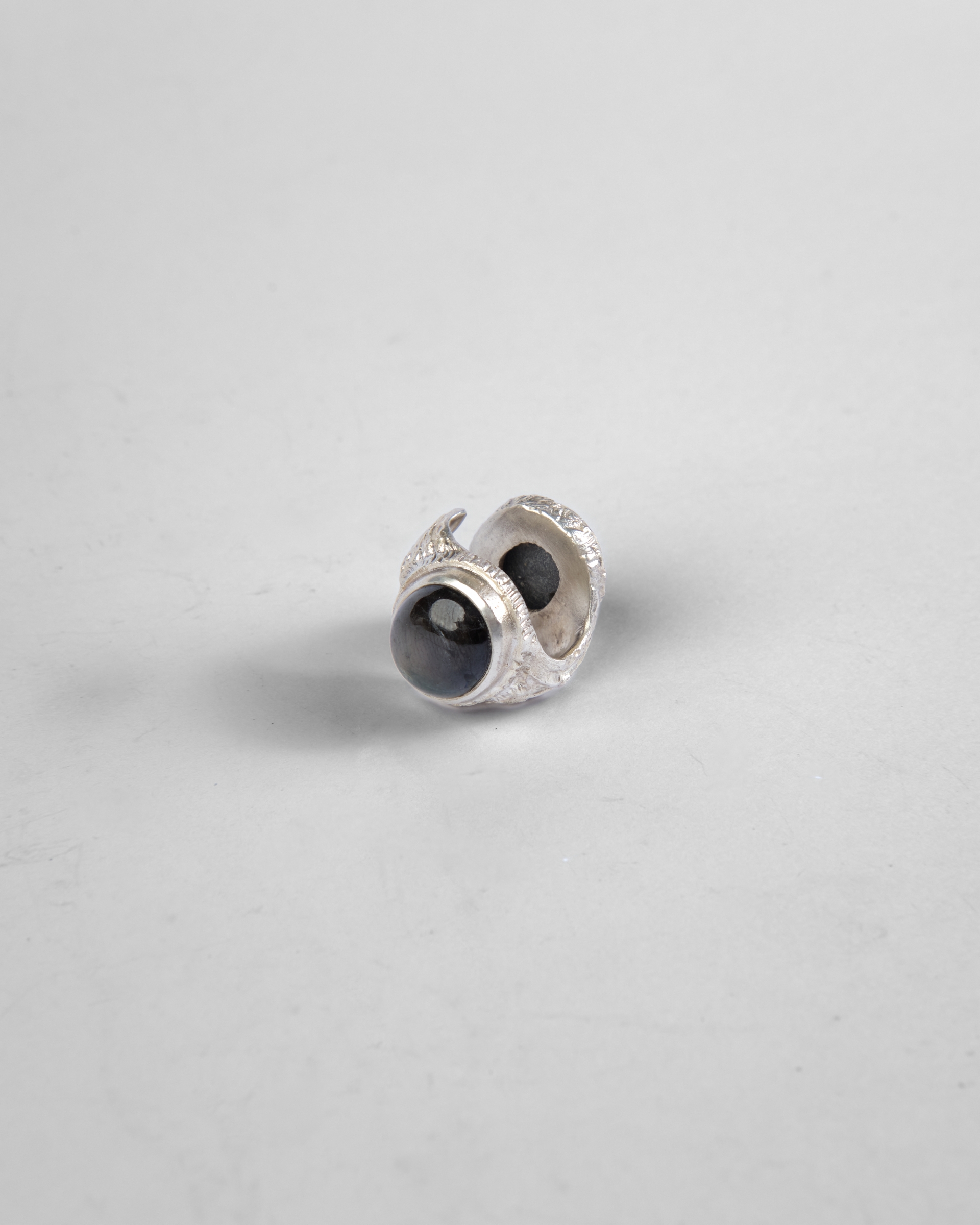
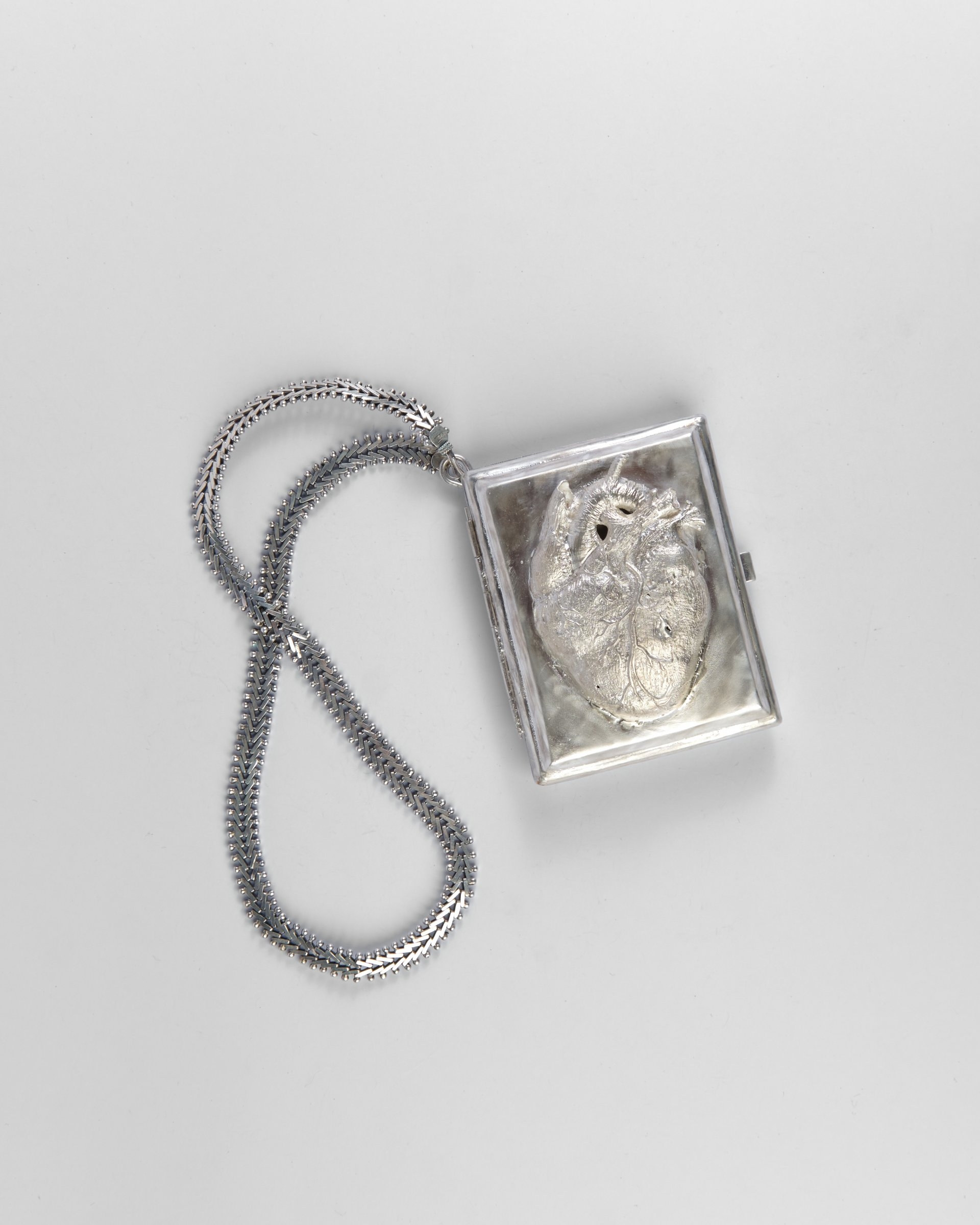
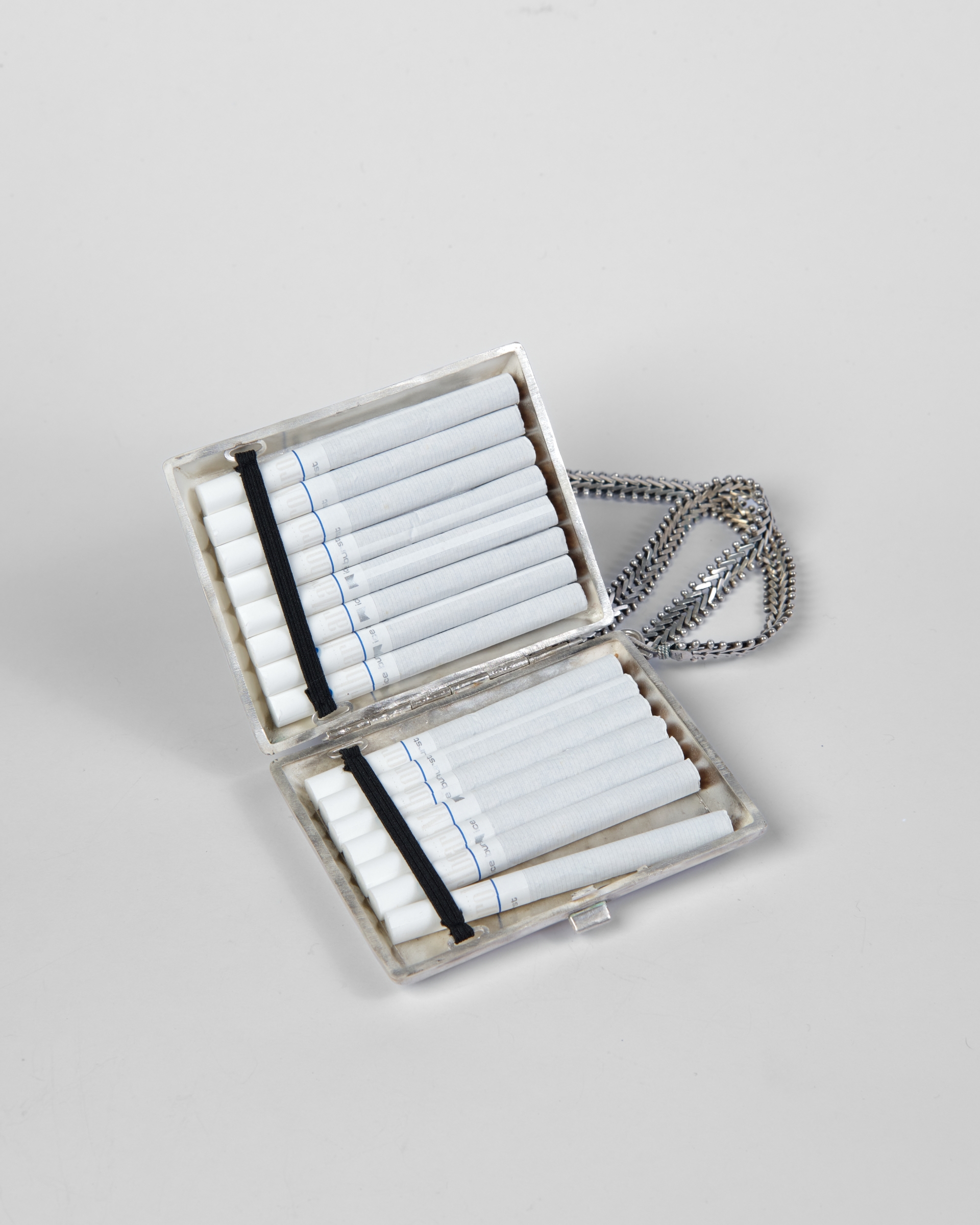
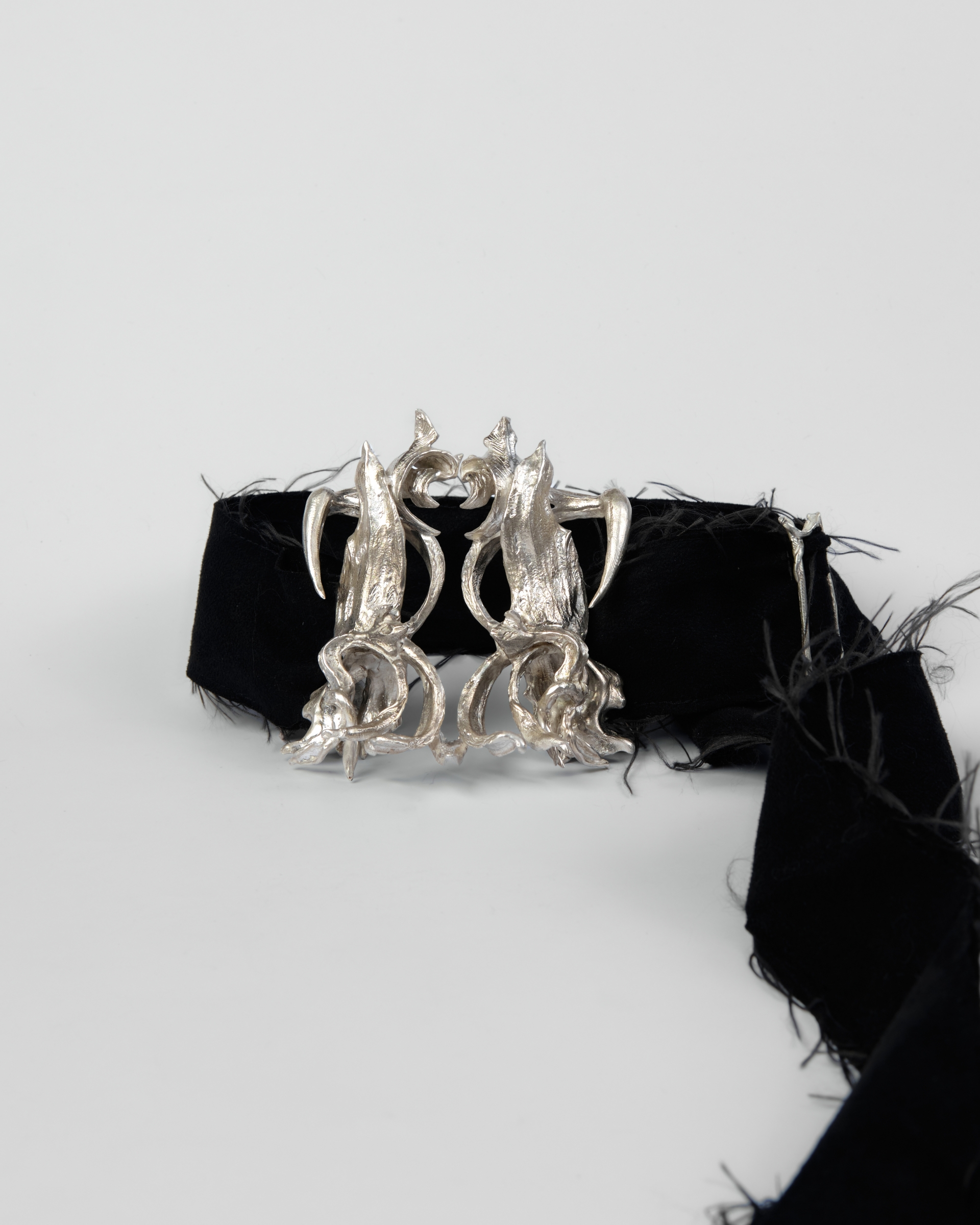
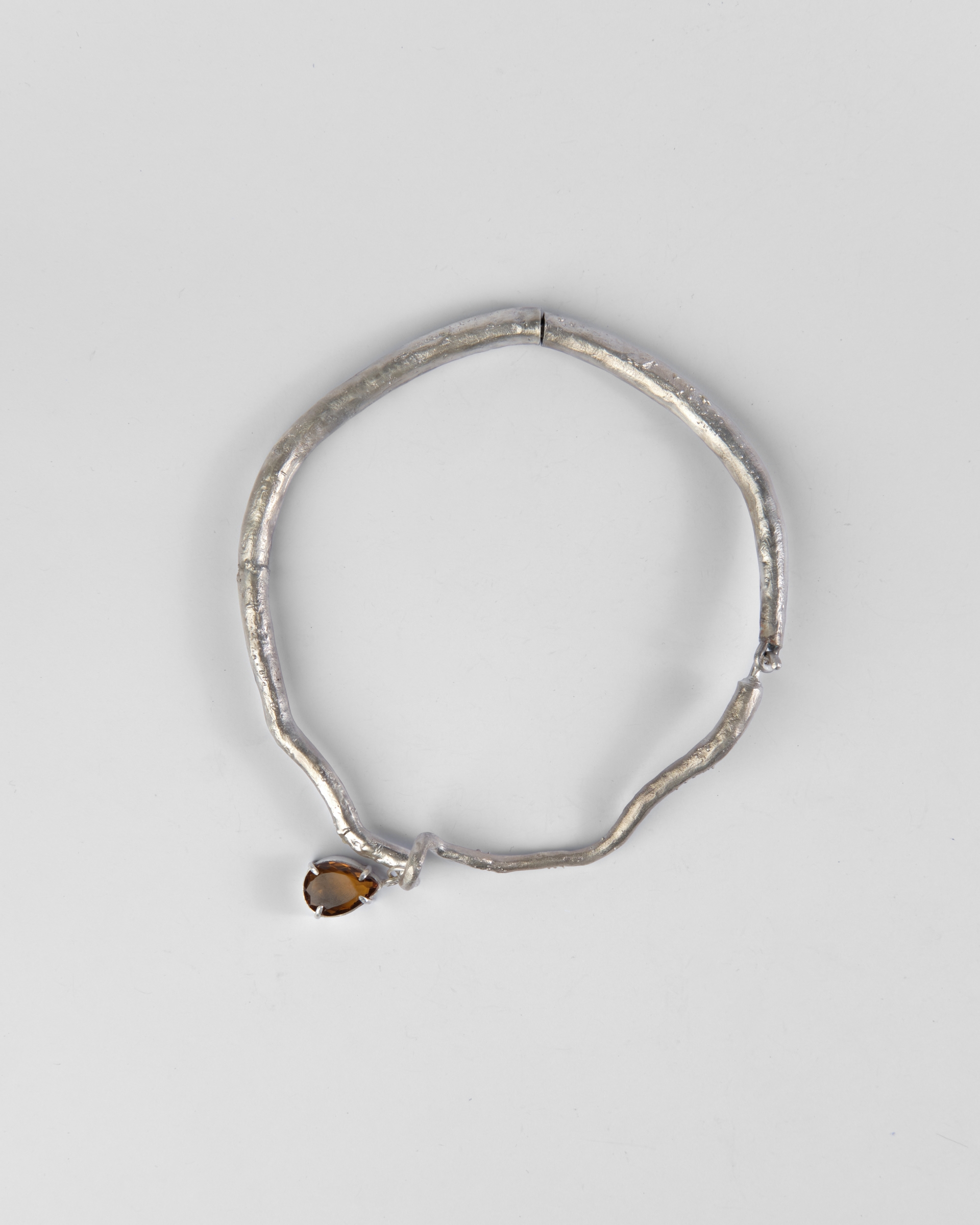
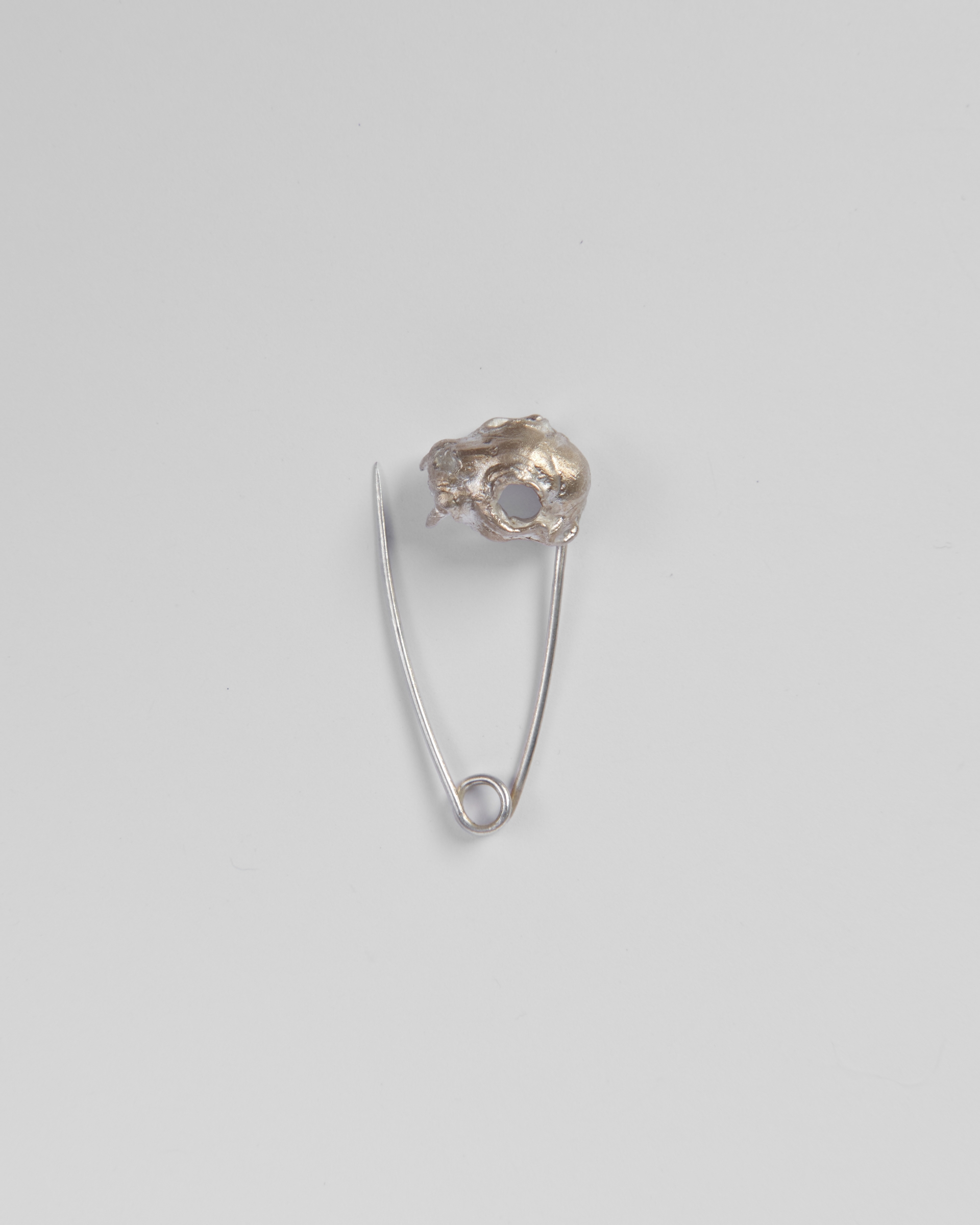
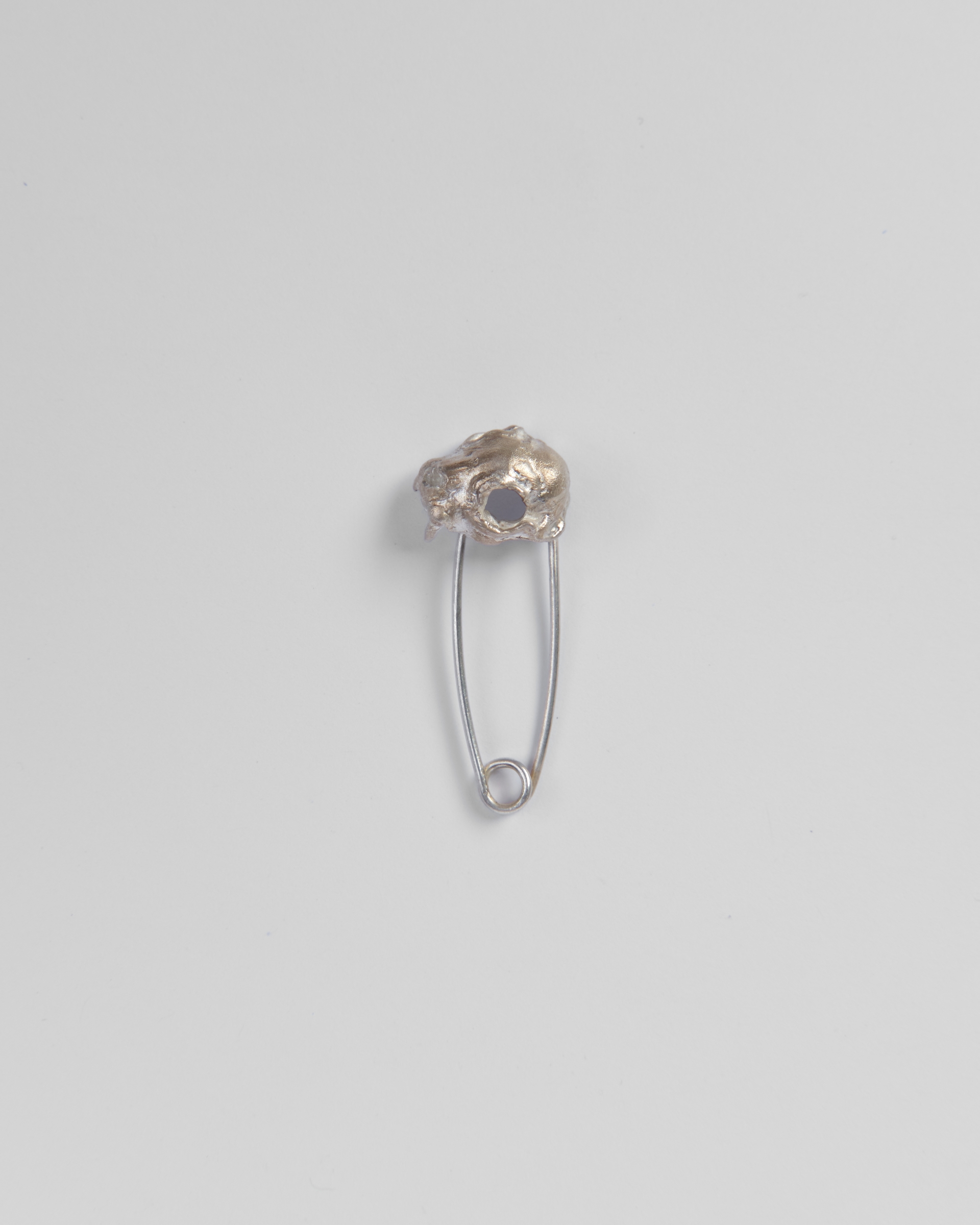
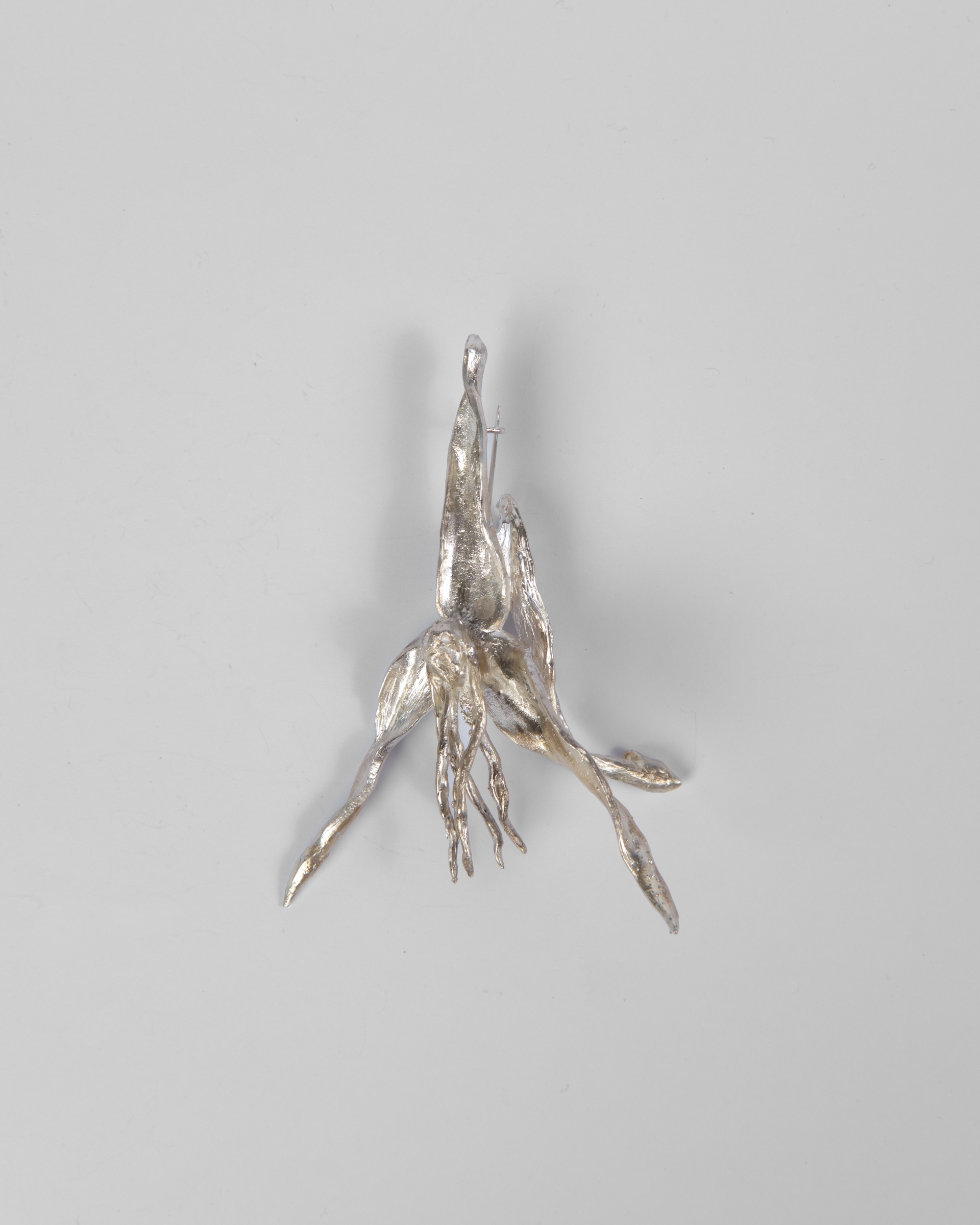
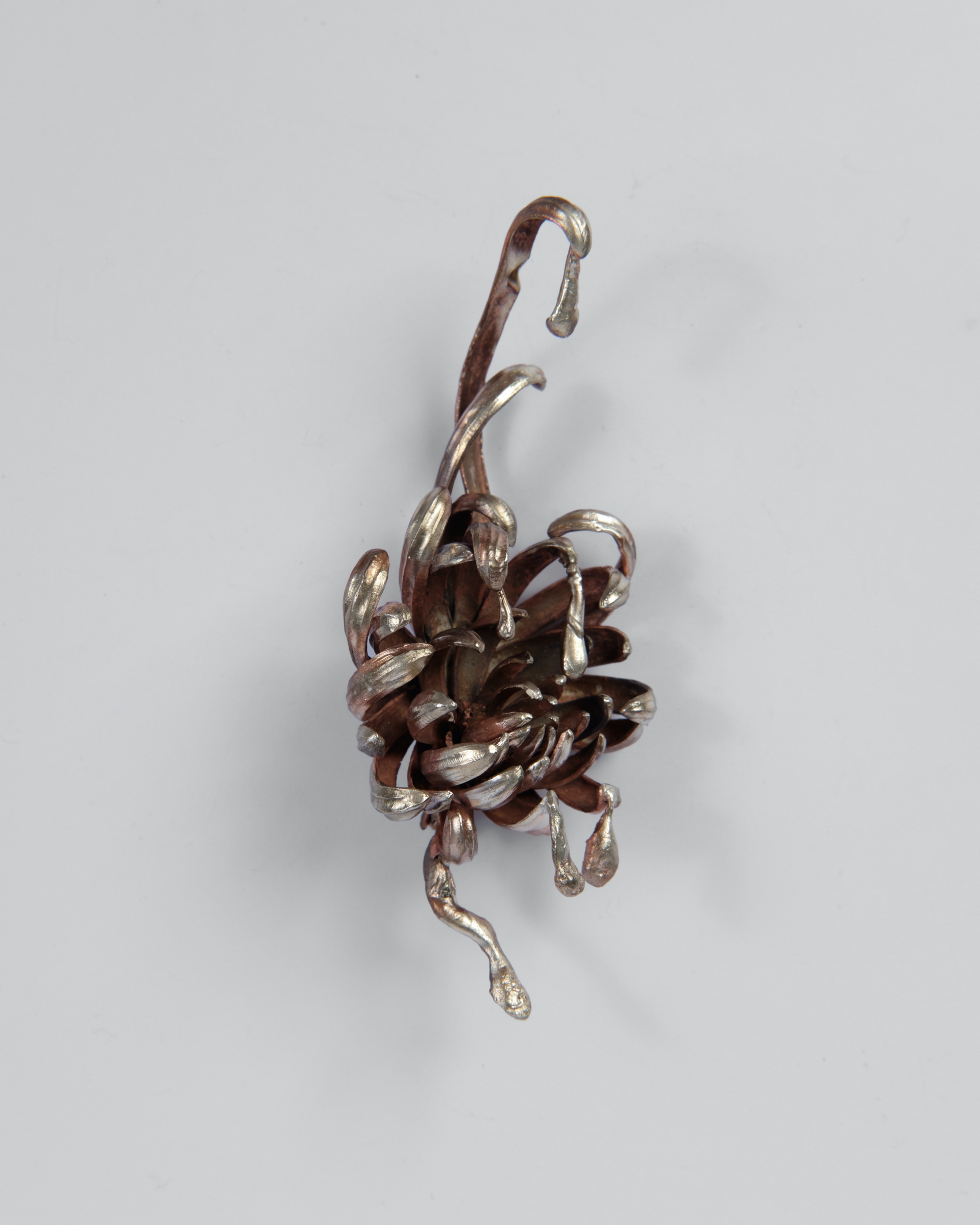
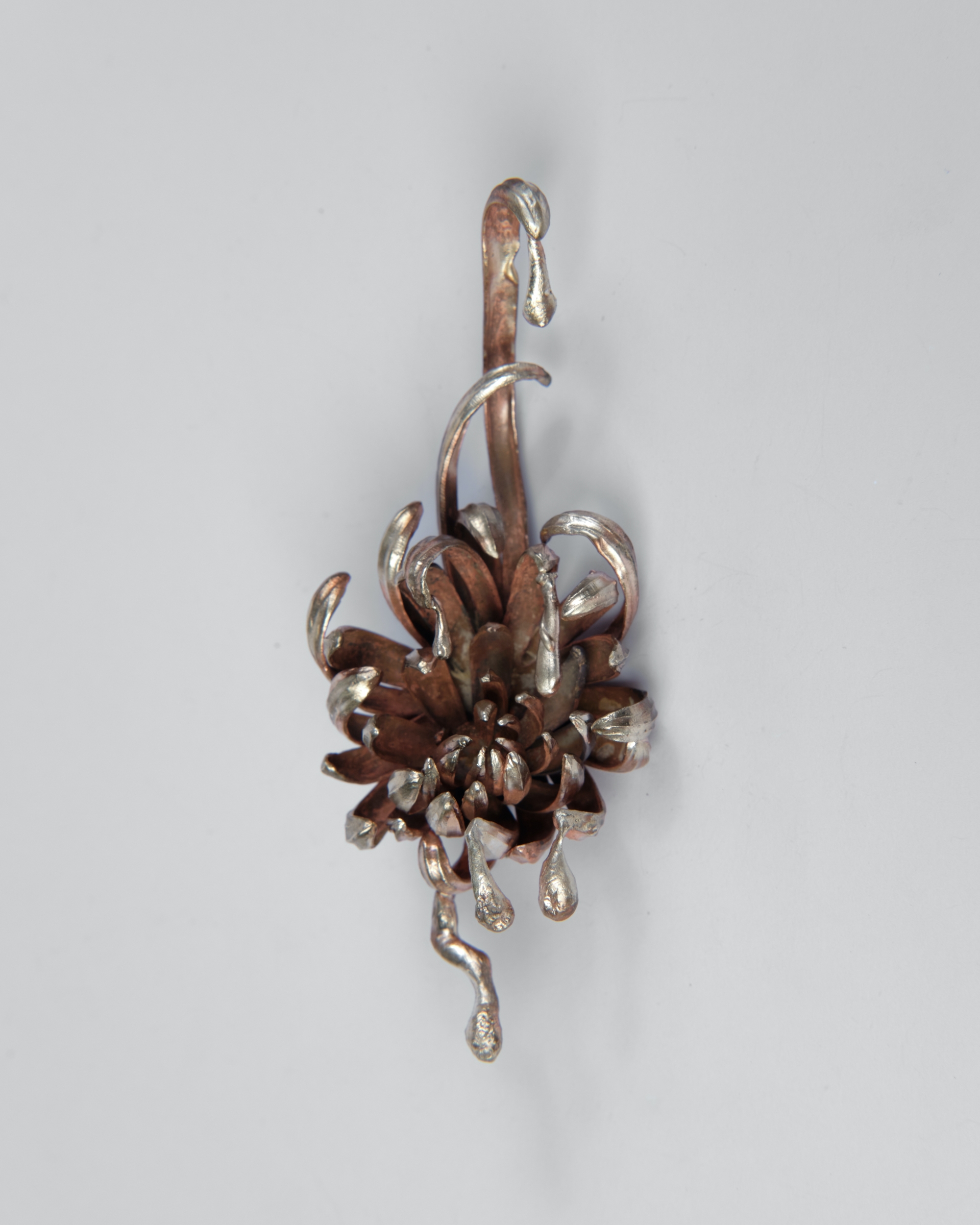
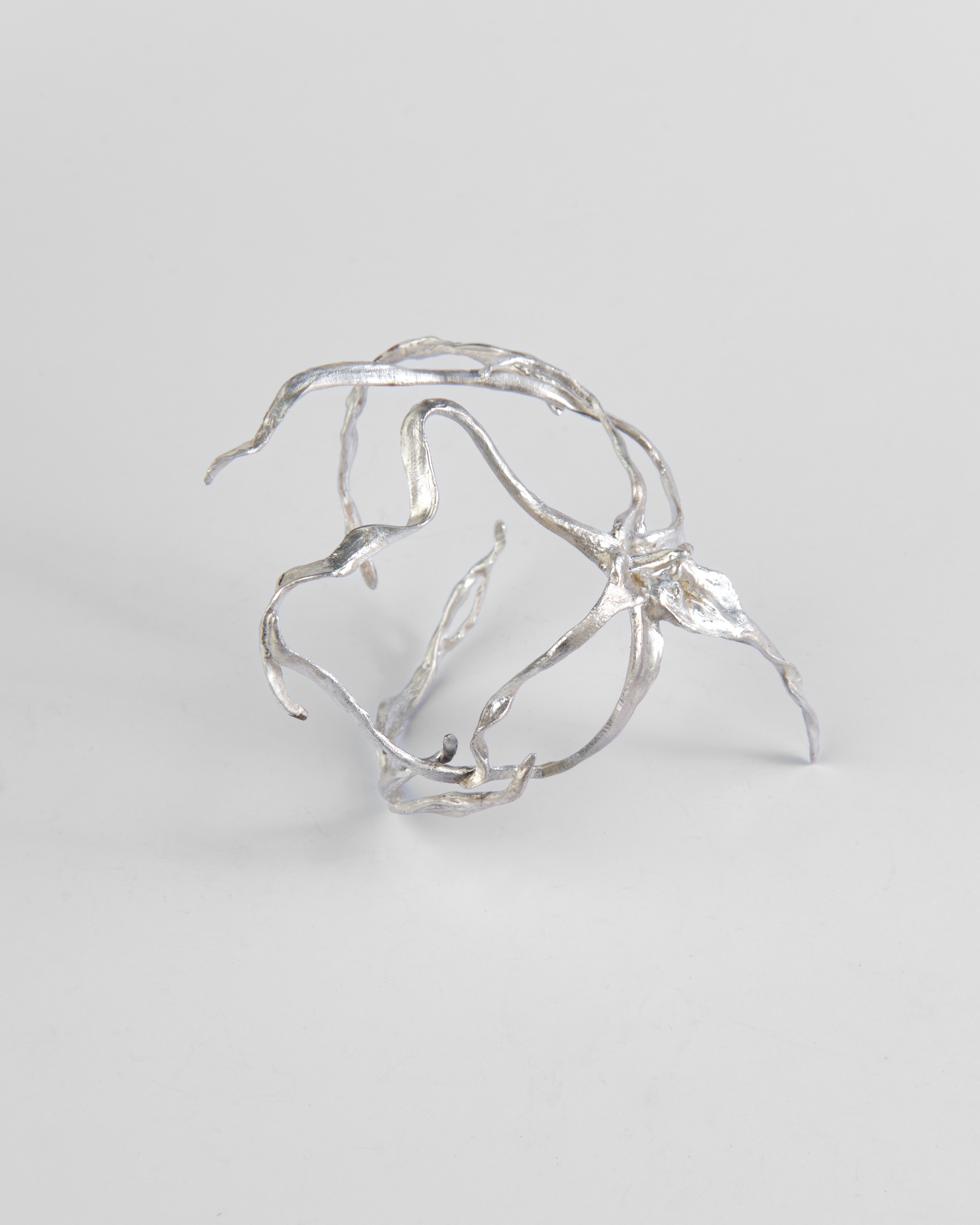
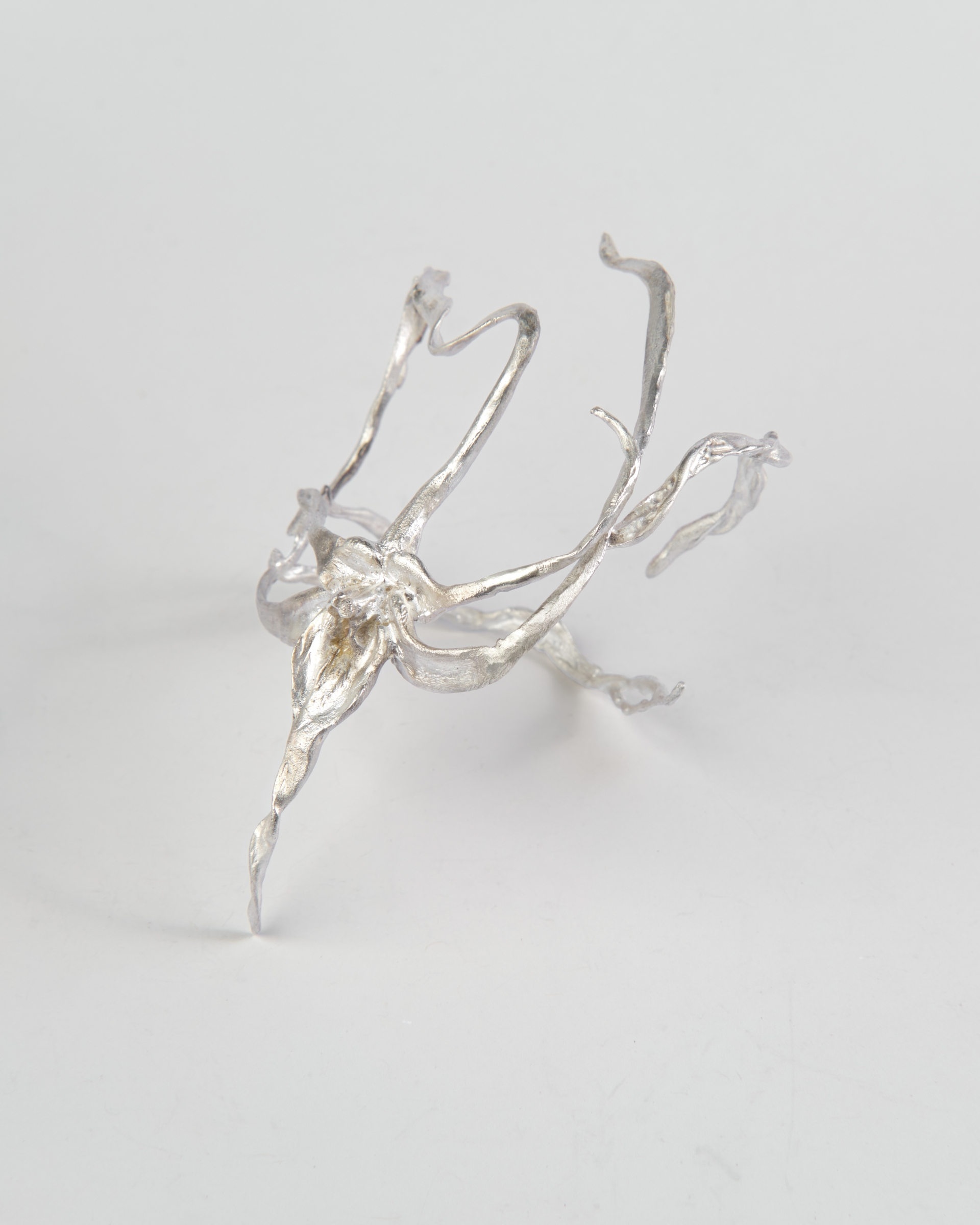
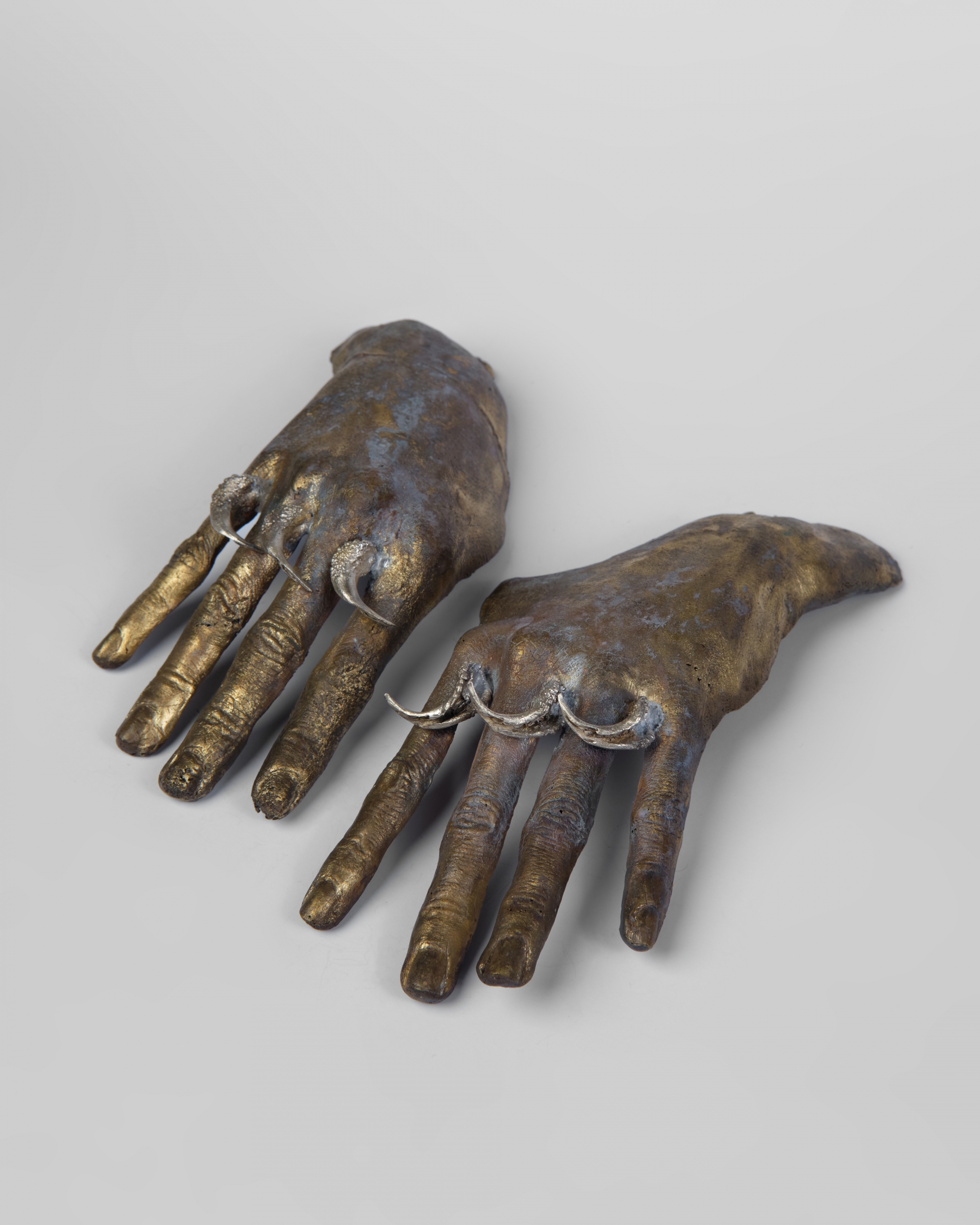
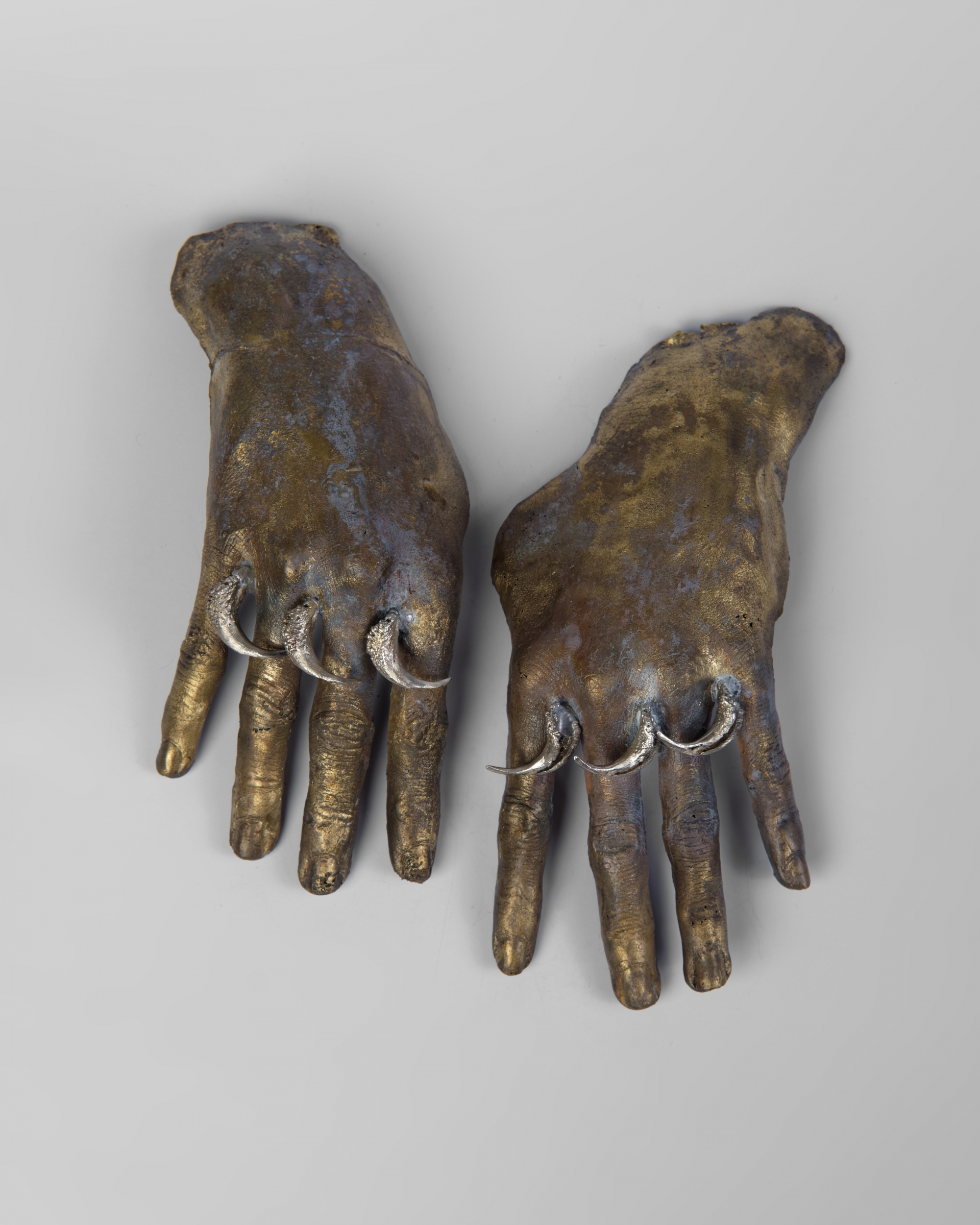
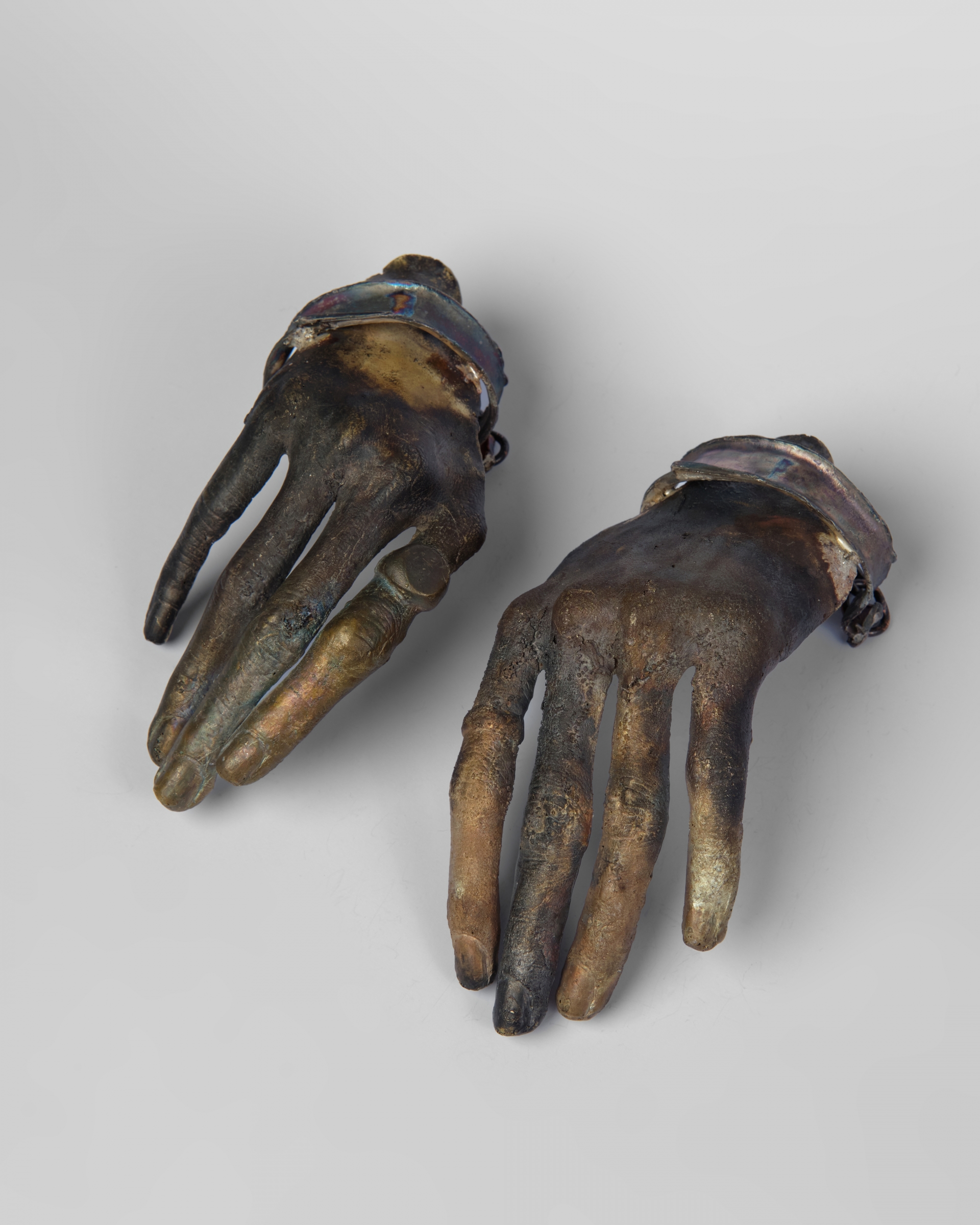
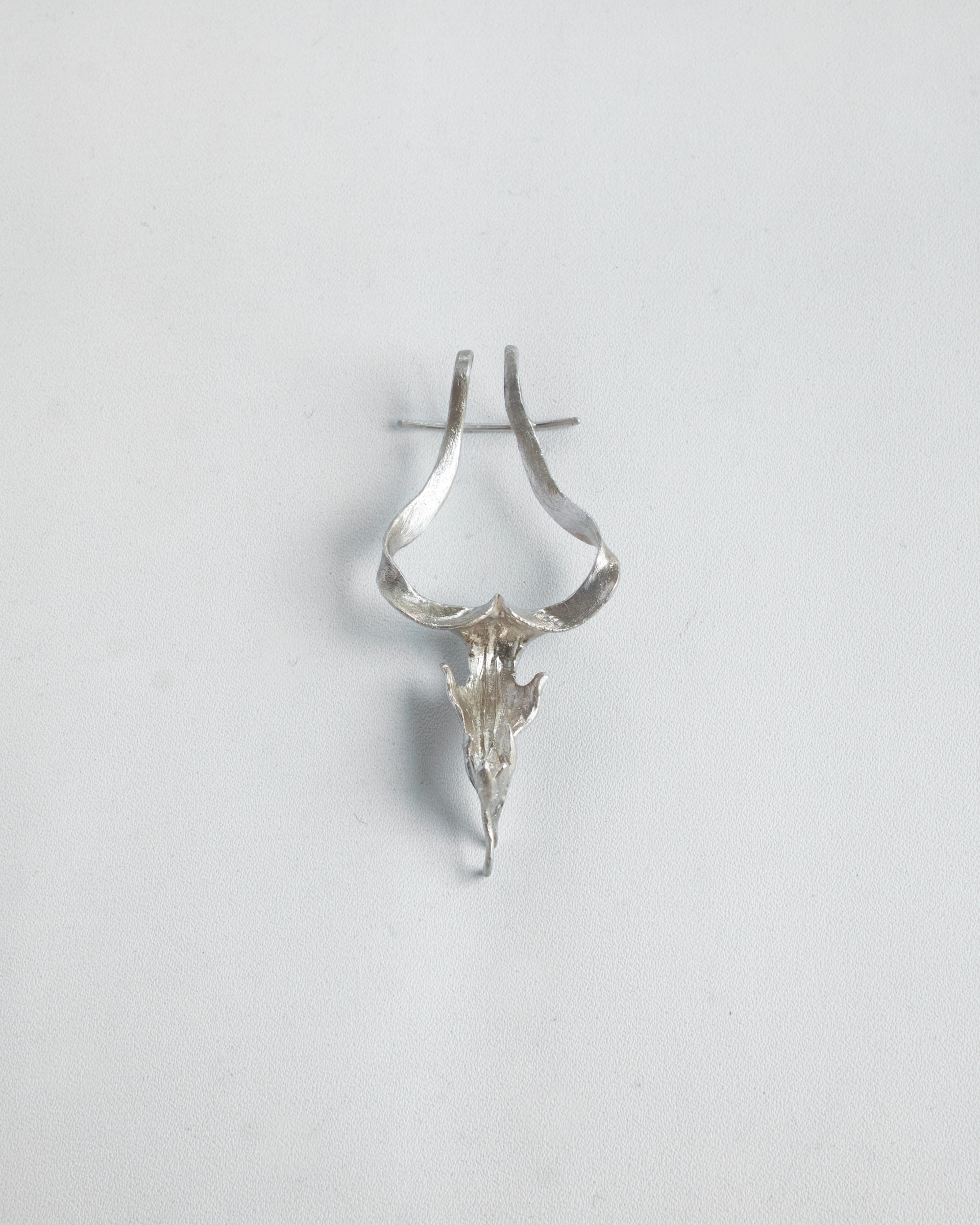
ENCASED EMBERS
Let us contemplate death: what does it mean to die? We all tend to either discuss the horrors of death or the triumphs of the afterlife. But what about the process of dying itself—the emptying of breath, the silence of heartbeats, the absence of warmth?
Death becomes almost of a taboo in our modern society. There is an aversion to the discourse and imagery of death; the process of dying, passing, and decaying, seems to provoke discomfort and unease. That we are unable to talk about death as a matter of fact is an unfortunate loss of our contemporary society. We are lost in the extremities of either glamorizing decay nor completely disregarding it altogether.
In contrary, our predecessors were able to contemplate death as a given.Various cultures diligently observed dying, taking an almost empirical approach to analysing decay. Funerary rites were built around the thorough examination over decomposition process. How does one pass; how does a body decay? How to welcome death; how to greet and treat it properly?
Thus, death is understood as it is: another side of the coin that is life. It is not taken as a negative nor it is considered as a separate; in contrary, it is understood as a part of the living process. The impermanence of living means that the sole undeniable truth is the end itself. Death is a final, an absolute, a given; aversion to it is not only useless, it impairs our ability to appreciate living the time we are borrowing.
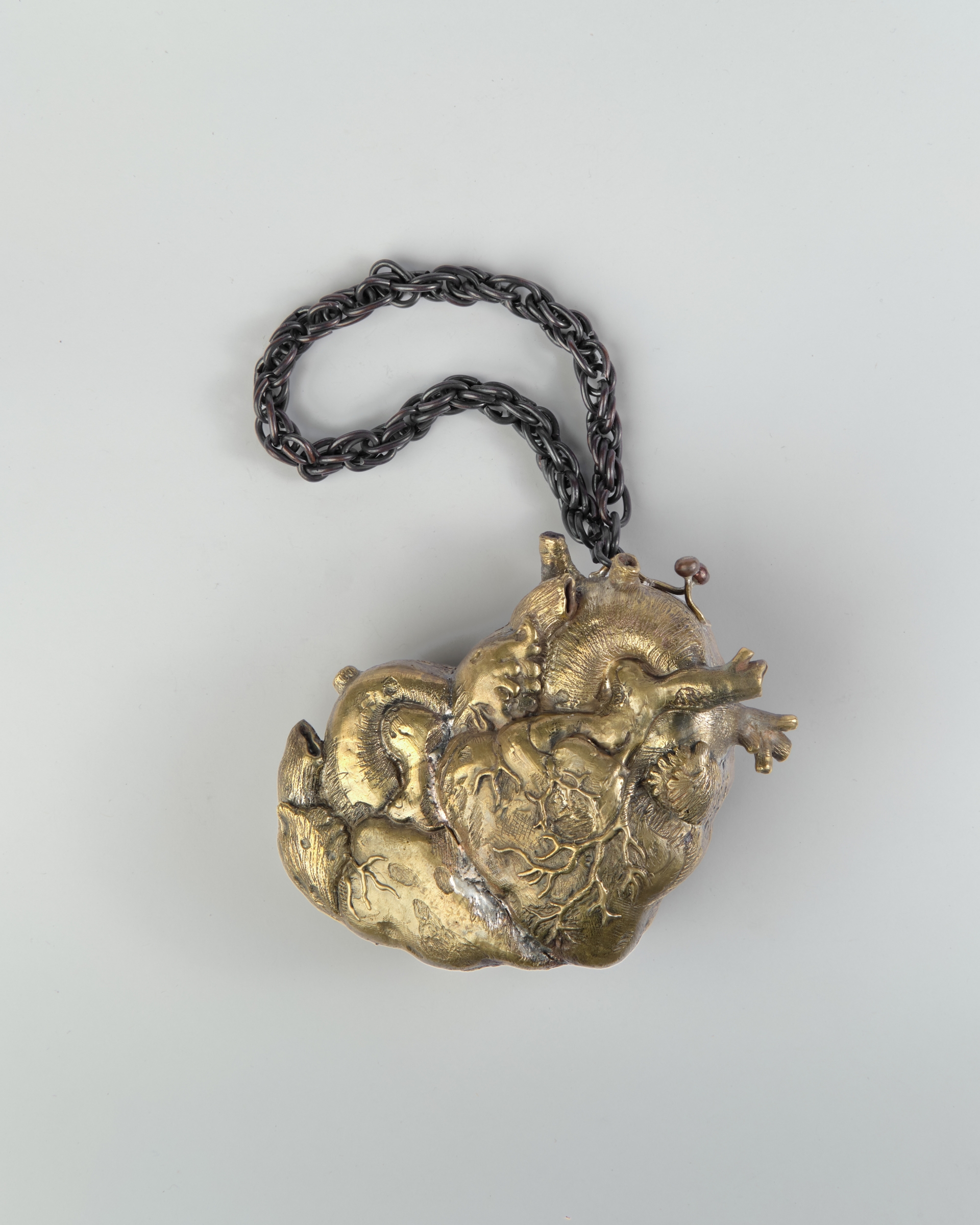
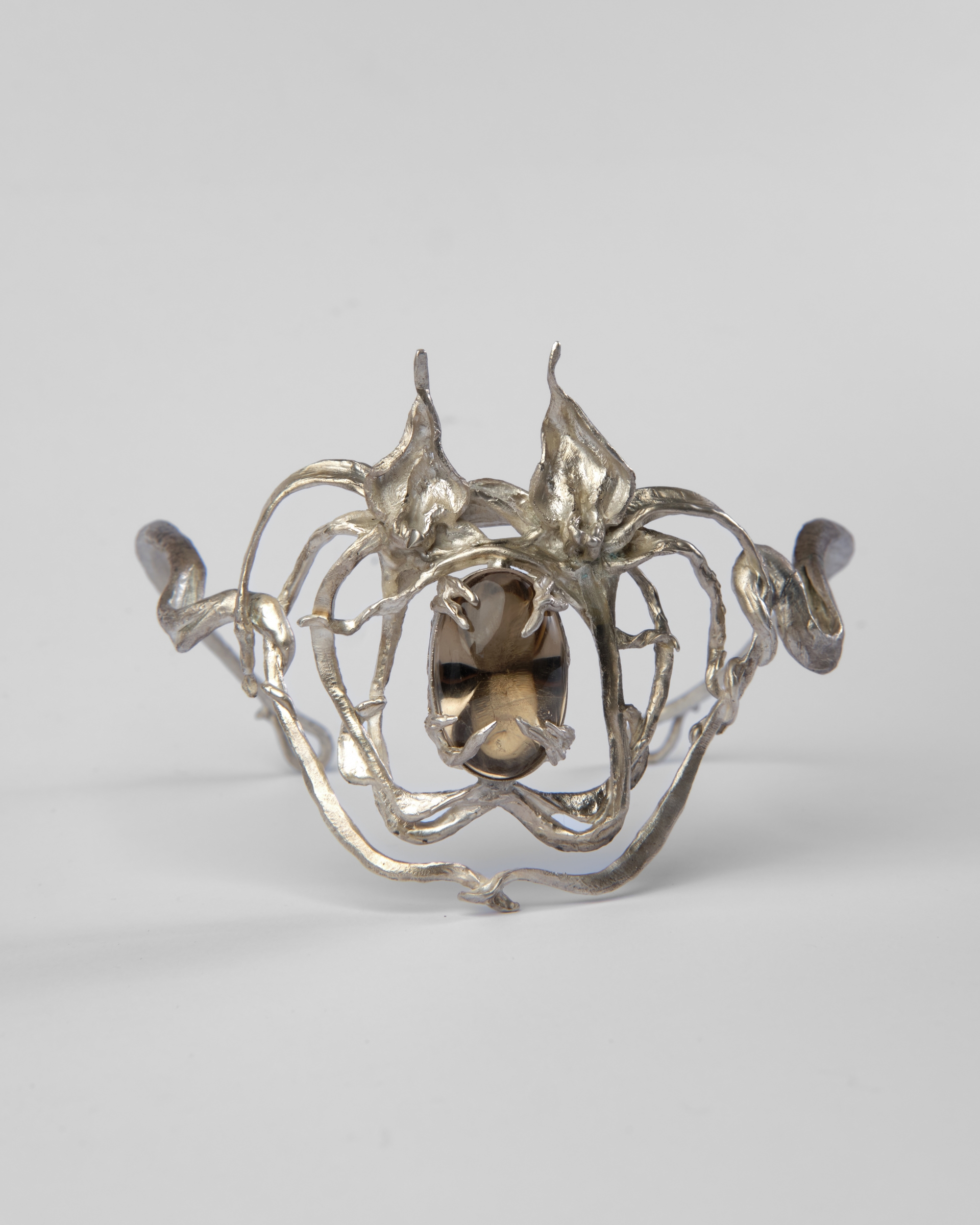
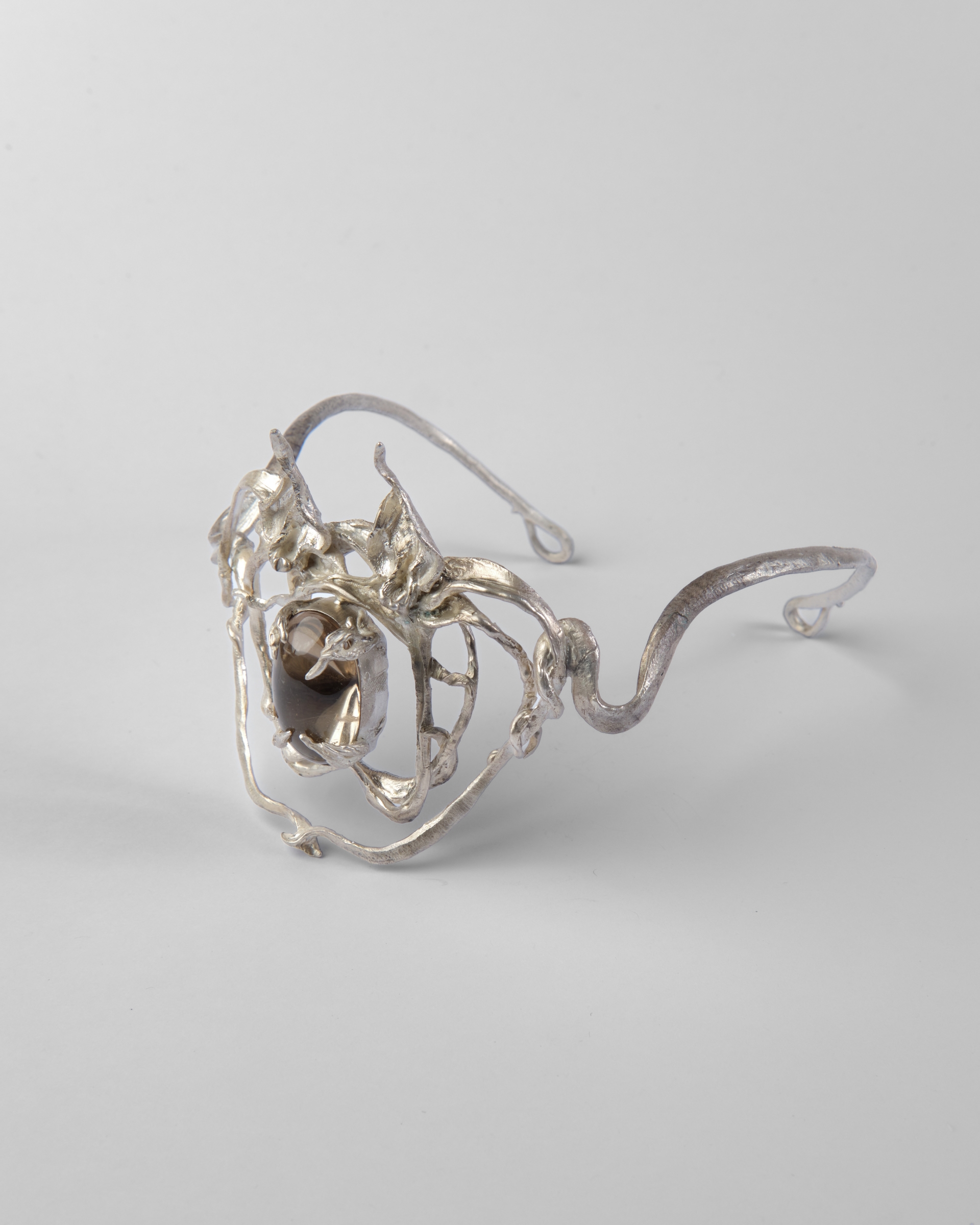
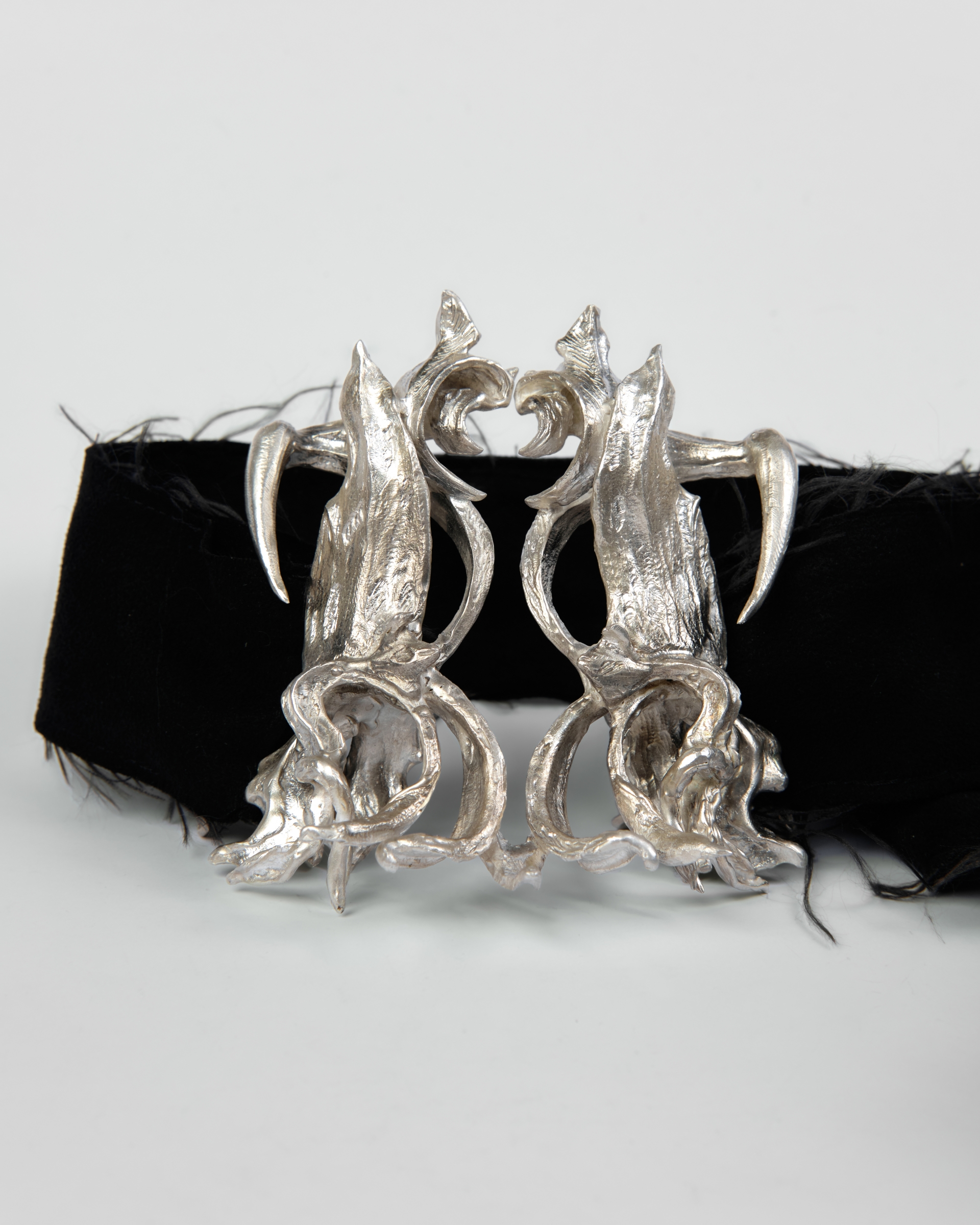
This contemplation leads us to develop an idea around creating a contemporary funerary rite. “Encased Embers” invites us to ask to hard question and confront the undeniable truth—our own mortality. What does it mean, for us, when our lights are dimmed and the hearth is put out? How should us, as a contemporary society, observes passing—how to bid farewell and give a proper burial? This is not without hope as we believe such inquiry offers an insight to the duality of life and death; that by confronting, understanding, and accepting death as a part of living, we can give a proper meaning to the life itself. To live means to eventually die, which means that both are unseparated part of another—a shadow, a flip of a coin. Thus, to appreciate living means to also being fully aware of dying—to confront our own mortality and embrace it.
If living is a celebration, then so does dying.